



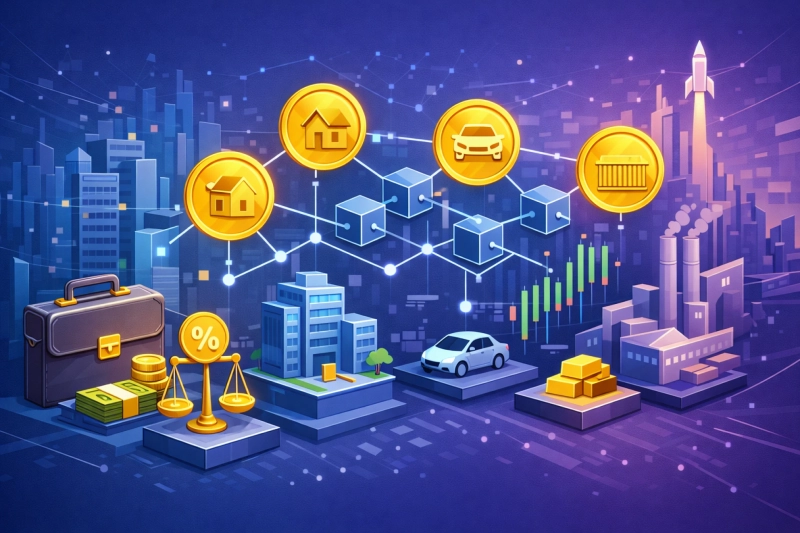
Institutional investing is entering a transformative era. Traditional investment avenues often involve high entry barriers, illiquid assets, and complex processes that can limit flexibility and efficiency. In response, a new approach is gaining momentum: the tokenization of real-world assets. By converting tangible assets such as real estate, commodities, and infrastructure into digital tokens on a blockchain, investors can now access, trade, and manage these assets in entirely new ways. This trend is redefining how institutions approach investment, offering enhanced transparency, liquidity, and efficiency.
Understanding Real World Asset Tokenization
Real world asset tokenization is the process of creating digital representations of physical or financial assets. Each token represents a share of the underlying asset, enabling fractional ownership and simplified transfer of ownership rights. Unlike traditional methods, tokenization reduces reliance on intermediaries, streamlines administrative processes, and allows for seamless cross-border transactions.
Companies that specialize in tokenization provide a suite of services that cover the entire lifecycle of the asset, from onboarding and compliance to token issuance and secondary market trading. These services allow institutional investors to participate in markets that were once inaccessible due to scale, regulatory constraints, or liquidity limitations.
Why Institutions Are Adopting Tokenization
Liquidity
A primary advantage of tokenization is the liquidity it introduces to traditionally illiquid markets. Assets like commercial properties or high-value art can take months or even years to sell through conventional channels. Tokenization breaks these assets into smaller units that can be traded on digital platforms, enabling faster transactions and immediate access to capital.
For institutions, this liquidity translates into greater flexibility in portfolio management. Platforms developed by tokenization specialists facilitate secure trading, helping institutions manage assets efficiently while maintaining compliance with regulatory requirements.
Fractional Ownership
Tokenization allows investors to purchase a fraction of an asset rather than committing large amounts of capital to acquire the entire asset. This capability democratizes access to high-value investments and allows for better portfolio diversification.
By enabling fractional ownership, institutions can invest in multiple assets simultaneously, spreading risk across different sectors and geographies. The infrastructure provided by tokenization companies ensures that fractional ownership is secure, legally recognized, and easily tradable.
Transparency and Security
Blockchain technology underpins tokenized assets, providing a transparent and immutable record of ownership and transactions. This transparency is critical for institutional investors who must comply with strict governance standards. Every transaction is recorded in real-time, reducing the risk of fraud and operational errors while facilitating auditability and reporting.
Simplified Regulatory Compliance
Investing in physical assets across jurisdictions often involves navigating complex regulatory landscapes. Tokenization companies provide services that streamline compliance, from ensuring adherence to securities regulations to verifying investor accreditation. By integrating compliance processes into the tokenization workflow, these platforms reduce the legal and operational burden for institutions.
Benefits of Working with Tokenization Companies
Partnering with a company specializing in asset tokenization brings multiple advantages for institutional investors:
- Customization: Tokenization solutions can be tailored to different asset classes, ensuring that the specific requirements of each investment type are met.
- Scalable Technology: Platforms are designed to handle large volumes of transactions securely and efficiently.
- Streamlined Operations: Automation of processes such as asset verification, investor onboarding, and compliance monitoring reduces administrative overhead.
- Enhanced Confidence: Institutions gain assurance from working with platforms that prioritize security, transparency, and regulatory compliance.
Such companies provide the infrastructure, expertise, and operational support needed to participate effectively in the emerging tokenized markets.
Applications in Institutional Investing
Real Estate
Tokenization is particularly impactful in the real estate sector. By representing properties as digital tokens, multiple investors can own fractions of commercial or residential buildings. This approach reduces capital requirements, increases liquidity, and allows institutions to diversify across different geographic regions and property types.
Specialized platforms provide end-to-end solutions, including smart contract management, regulatory compliance, and secure digital custody. Institutions can thus participate in real estate markets globally without the usual administrative and legal complexities.
Commodities and Alternative Assets
Tokenization is transforming the way institutions access commodities like gold, silver, and energy resources. Investors can hold tokenized shares, gaining price exposure without managing physical assets directly. Alternative assets, including art, collectibles, and intellectual property, also benefit from tokenization, offering diversified opportunities in traditionally illiquid markets.
Infrastructure and Project Financing
Large infrastructure projects typically require substantial capital and complex financing structures. Tokenization enables projects to be divided into digital units, attracting multiple investors while ensuring transparency and traceability. Platforms supporting these models allow institutions to participate in funding projects efficiently, monitoring progress and returns through secure digital systems.
Enhancing Portfolio Management
Diversification
Tokenization allows institutions to invest across multiple asset classes efficiently. Institutions can allocate funds across real estate, commodities, infrastructure, and alternative assets without committing excessive capital to a single investment. This broad exposure reduces risk and enhances overall portfolio resilience.
Real-Time Monitoring
Platforms developed by tokenization specialists enable real-time monitoring of tokenized assets. Investors can track valuations, transactions, and compliance metrics instantly, facilitating informed decision-making and efficient asset management.
Operational Efficiency
Tokenization reduces the need for intermediaries, lowering transaction costs and streamlining administrative tasks. Automated processes for investor onboarding, asset verification, and settlement improve operational efficiency, freeing resources for strategic investment activities.
Selecting the Right Tokenization Partner
Choosing a tokenization partner is critical for institutional investors. A reputable platform provider not only delivers technology but also offers regulatory guidance, operational support, and strategic advice. Considerations when selecting a partner include:
- Proven experience in tokenizing multiple asset types successfully
- Expertise in regulatory compliance and cross-border transactions
- Secure, scalable technology infrastructure
- Flexibility to customize solutions for specific institutional needs
By partnering with a capable tokenization provider, institutions can confidently adopt digital asset strategies, unlocking new investment opportunities while mitigating risk.
The Future of Institutional Investing
The adoption of tokenization is growing rapidly, driven by the need for efficiency, transparency, and accessibility. Several trends suggest that tokenization will continue to reshape institutional investment:
- Expansion of global tokenized markets, providing access to cross-border investments
- Integration with traditional financial institutions, creating hybrid investment models
- Growth of secondary markets, offering liquidity and exit options for investors
- Enhanced reporting and governance tools, improving investor engagement and decision-making
As these trends develop, tokenization is expected to become a standard component of institutional investment strategies, enabling more agile, diversified, and data-driven portfolio management.
Conclusion
RWA Tokenization of real-world assets is redefining institutional investing. By digitizing ownership of physical and financial assets, investors gain liquidity, fractional ownership, transparency, and operational efficiency. Specialized companies provide the platforms and services necessary to support this transformation, offering end-to-end solutions that simplify compliance, security, and trading.
As institutional investors continue to explore new markets and diversify portfolios, tokenization provides the tools and infrastructure needed to meet modern investment challenges. The shift toward digital assets is not just an innovation; it is a fundamental evolution in how institutions invest, manage risk, and access global markets.