



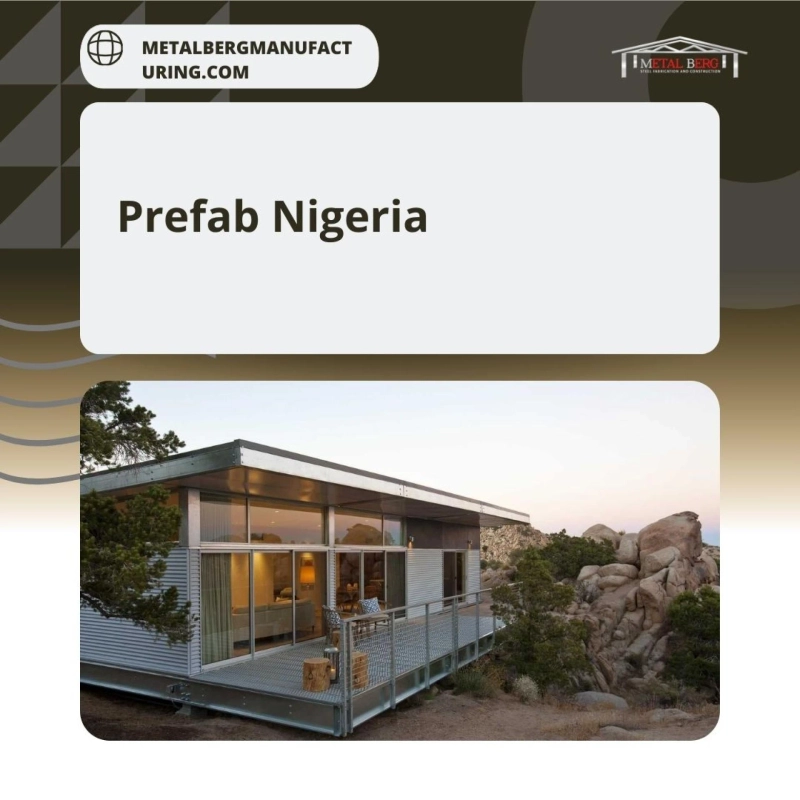
The construction industry is evolving rapidly as individuals, businesses, and governments search for faster, cost-effective, and sustainable building solutions. Traditional construction methods, while familiar, often come with long timelines, high labor costs, and unpredictable outcomes. This shift has created growing interest in innovative alternatives that combine efficiency with durability. One such solution gaining attention across West Africa is Prefab Nigeria, a modern approach that addresses many of today’s construction challenges.
In this blog, we explore how prefabricated housing works, why it is becoming increasingly popular, and how SABA STEEL INDUSTRIAL NIGERIA LIMITED is contributing to the future of building solutions through high-quality prefabricated structures.
What Are Prefabricated Houses and How Do They Work?
Prefabricated houses, commonly known as prefab homes, are structures manufactured in controlled factory environments before being transported and assembled on-site. Instead of building everything from the ground up at the construction location, major components such as walls, roofing systems, and structural frames are produced off-site using advanced machinery and standardized processes.
This method allows for better quality control, reduced material waste, and faster project completion. Once delivered, the components are assembled efficiently, significantly reducing construction time compared to conventional building techniques. As urbanization increases and housing demand grows, solutions like Steel Fabrication Company Nigeria are becoming more relevant than ever.
Why Is Prefabricated Housing Gaining Popularity in Nigeria?
Nigeria’s growing population and expanding urban centers have created a pressing need for reliable and scalable housing solutions. Prefabricated houses offer several advantages that align well with these demands.
First, speed is a major benefit. Traditional construction projects can take months or even years, whereas prefab houses can be completed in a fraction of the time. This makes them ideal for residential developments, worker accommodations, schools, healthcare facilities, and emergency housing.
Second, cost efficiency plays a vital role. Prefabrication minimizes material waste and optimizes labor usage, helping reduce overall construction costs. With controlled production environments, errors are minimized, leading to fewer costly corrections during assembly.
Finally, flexibility and customization are key attractions. Modern prefab homes can be designed to meet various architectural styles, sizes, and functional requirements, making Prefab Nigeria suitable for both urban and rural applications.
How Do Prefabricated Houses Support Sustainability?
Sustainability is no longer optional—it is a necessity. Prefabricated housing contributes positively to environmental goals by reducing construction waste and lowering energy consumption during the building process. Materials are measured and cut precisely in factories, resulting in minimal leftover waste compared to on-site construction.
Additionally, prefab structures often incorporate energy-efficient designs, insulation systems, and durable materials that enhance long-term performance. This focus on sustainability aligns with global trends and local needs, making Prefab Nigeria a forward-thinking solution for eco-conscious developers and homeowners.
What Role Does Steel Play in Prefabricated Housing?
Steel is a cornerstone material in prefabricated construction due to its strength, durability, and versatility. Steel frames provide excellent structural integrity, resistance to harsh weather conditions, and long service life with minimal maintenance.
SABA STEEL INDUSTRIAL NIGERIA LIMITED specializes in high-quality steel products that form the backbone of reliable prefabricated housing systems. By using premium-grade steel, prefab houses achieve superior load-bearing capacity and enhanced safety standards, which are critical in both residential and commercial applications.
The use of steel also supports design flexibility, allowing architects and engineers to create innovative layouts without compromising structural stability.
How Can Prefabricated Houses Be Used Across Different Sectors?
One of the strongest advantages of prefab housing is its adaptability across multiple sectors. Residential developments benefit from quick deployment and scalable designs, making them ideal for housing estates and affordable housing projects.
In the commercial sector, prefabricated structures are commonly used for offices, retail spaces, and warehouses. Educational institutions and healthcare facilities also leverage prefab solutions for rapid expansion and temporary or permanent buildings.
For industrial and remote locations, prefab houses offer practical solutions for staff accommodation and operational facilities. This versatility further strengthens the value of Prefab Nigeria as a comprehensive construction approach.
Why Choose SABA STEEL INDUSTRIAL NIGERIA LIMITED for Prefabricated Solutions?
Choosing the right manufacturing partner is essential for successful prefabricated construction. SABA STEEL INDUSTRIAL NIGERIA LIMITED brings years of expertise, advanced manufacturing capabilities, and a commitment to quality that sets it apart in the industry.
The company focuses on precision engineering, strict quality control, and the use of durable materials to ensure every prefabricated unit meets international standards. From design consultation to production and delivery, SABA STEEL INDUSTRIAL NIGERIA LIMITED supports clients at every stage of the project lifecycle.
By combining technical knowledge with local market understanding, the company delivers prefab housing solutions tailored to Nigeria’s unique environmental and economic conditions.
What Does the Future Hold for Prefabricated Housing in Nigeria?
As infrastructure development accelerates and the demand for efficient housing continues to rise, prefabricated construction is poised to play a major role in shaping the future. Technological advancements, improved materials, and growing awareness are driving wider adoption of prefab solutions nationwide.
With reliable manufacturers and steel experts leading the way, Steel Fabrication Company Nigeria is no longer just an alternative—it is becoming a mainstream choice for modern construction. Its ability to deliver speed, quality, sustainability, and cost savings makes it a compelling solution for today’s challenges and tomorrow’s growth.
Final Thoughts
Prefabricated housing represents a smart, practical response to Nigeria’s evolving construction needs. By embracing innovation, efficiency, and sustainability, this approach offers long-term value for homeowners, developers, and institutions alike. With industry leaders like SABA STEEL INDUSTRIAL NIGERIA LIMITED providing high-quality steel and prefabricated solutions, the future of modern construction looks stronger, faster, and more reliable than ever.
Metal Berg Manufacturing Company Factory
Block 16 Plot 283, Green Estate, Amuwo Odofin Estate 102102, Lagos, Nigeria
234 803 044 2676