


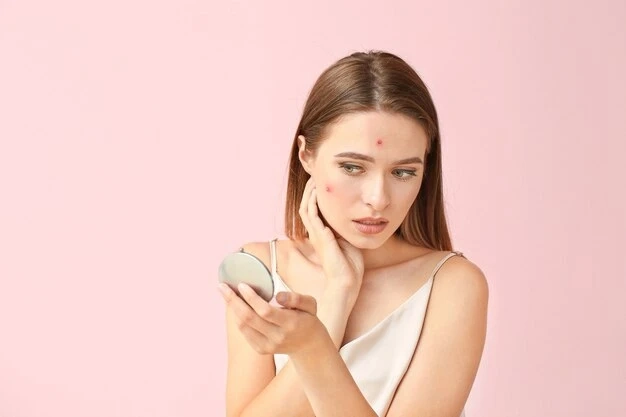
Acne is a common skin condition that affects individuals of all ages, but particularly those in their teenage years and early twenties. The quest for clear, blemish-free skin has led many to seek effective Acne Treatment in Abu Dhabi. The growing popularity of these treatments can be attributed to several factors, including the prevalence of acne, advancements in medical technology, and increasing awareness about skin health. In this blog post, we will explore what makes acne treatment popular, the different types of treatments available, and the importance of individualized care.

The Prevalence of Acne
Acne is one of the most common skin disorders, affecting millions globally. Understanding its prevalence is crucial for recognizing the need for effective treatments.
Common Demographics Affected by Acne
- Adolescents: The onset of puberty triggers hormonal changes, leading to increased oil production on the skin and ultimately, acne. This is why adolescents often find themselves battling breakouts.
- Adults: While it’s commonly perceived as a teenage issue, adult acne is increasingly common. Stress, hormonal fluctuations, and lifestyle factors contribute to continued breakouts in adulthood.
Emotional and Psychological Impact
- Self-esteem Issues: Many individuals struggle with self-esteem due to visible acne. Addressing this condition can alleviate emotional distress and improve confidence.
- Social Interactions: Acne can affect how individuals perceive themselves in social situations, impacting their daily lives and interactions.
The Rise of Advanced Treatments
The development of dermatological treatments has significantly advanced over the years. Individuals seeking Acne Treatment in Abu Dhabi benefit from the latest techniques and products.
Technological Innovations
- Laser Therapy: This method targets acne-causing bacteria and reduces inflammation with minimal side effects. The precision of lasers allows for effective treatment without damaging the surrounding skin.
- Chemical Peels: Professionals use chemical peels to exfoliate the top layers of skin, promoting cell turnover and reducing acne scarring. This method also helps clear existing breakouts.
- Topical Treatments: Powerful topical formulations, including retinoids and antibiotics, help to prevent future breakouts while treating existing issues.
Customizability of Treatments
- Individual Needs: Treatments can be tailored to fit an individual's unique skin type and condition. What works for one person may not work for another, which is why personalized treatment plans are essential.
- Combination Approaches: Many individuals benefit from a combination of treatments, such as pairing oral medications with topical applications or laser therapy for more comprehensive care.
The Role of Skincare Education
An essential aspect of acne treatment is understanding skincare. Knowledge empowers individuals to take proactive measures to manage their skin.
Importance of Skincare Routines
- Daily Care: Establishing a consistent skincare routine can significantly reduce acne flare-ups. This includes cleansing, exfoliating, and moisturizing properly tailored for acne-prone skin.
- Ingredient Awareness: Knowing which ingredients to look for or avoid can help individuals make informed decisions. Items containing salicylic acid or benzoyl peroxide can effectively treat and prevent acne.
The Impact of Lifestyle Choices
- Diet and Hydration: Eating a balanced diet and maintaining proper hydration can contribute to better skin health. Reducing sugar and dairy intake may also help some individuals minimize breakouts.
- Stress Management: Understanding the links between stress levels and skin conditions can motivate individuals to seek stress-reducing activities, ultimately benefiting their skin.
The Importance of Professional Guidance
While at-home treatments can be effective, professional guidance is often needed for persistent or severe cases.
Expert Evaluations
- Skin Assessments: Dermatologists can provide accurate evaluations of the skin condition, ensuring the treatment plan addresses all aspects of the issue.
- Monitoring Progress: Regular follow-ups allow for the adjustment of treatment plans based on progress and any side effects that may occur.
Preventive Care
- Ongoing Support: The role of the dermatologist extends beyond initial treatment. Professionals can offer advice on maintaining clear skin and preventing future breakouts.
- Education on Triggers: Identifying personal triggers for breakouts is essential. A dermatological professional can help individuals understand and manage these triggers, providing tailored solutions.
Understanding the Evolving Landscape of Acne Treatment
In recent years, the arena of acne treatment has seen continual improvement and innovation, making it an exciting field for both professionals and patients.
Research and Development
- New Treatments: With ongoing research, new treatments are continuously being developed. This commitment to improvement means individuals can expect more effective and targeted solutions.
- Patient-Centered Approaches: The focus has shifted from one-size-fits-all treatments to patient-centered care, ensuring that individual preferences and needs are respected in the treatment journey.
Acceptance of Combination Treatments
- Holistic Approaches: Many professionals now advocate for a combination of treatments—both topical and systemic. This multifaceted approach often yields better long-term results for managing acne.
- Inclusivity of New Techniques: Modern technology allows for a broader range of treatment options, encouraging more individuals to seek help for their acne concerns.
Emphasis on Long-Term Skin Health
While immediate results are important, there is also a growing emphasis on maintaining long-term skin health, which can change how individuals approach acne management.
Comprehensive Skin Health Strategies
- Beyond Acne: Treatments should not only focus on eliminating current breakouts but also maintaining clear skin long-term. Individuals are encouraged to explore strategies that involve gradual and sustained improvement.
- Building a Skincare Routine: The foundation of healthy skin is established through daily habits. Learning about maintenance can prevent the recurrence of acne and promote a lasting healthy glow.
Community Support
- Sharing Experiences: Online communities and support groups can provide valuable insights and shared experiences, helping individuals feel less isolated in their struggles with acne.
- Patients Empowering Each Other: As individuals share their journeys, they inspire others to seek treatment and prioritize their skin health, creating a supportive environment.
Conclusion
The growing popularity of Acne Treatment can be credited to the increasing awareness of both the physical and psychological effects of acne, combined with technological advancements in treatments. Individuals are more informed than ever about their skincare and the available options, leading to a more proactive approach towards treatment. With customizable treatment plans, expert guidance, and a focus on long-term skin health, acne treatment is increasingly viewed as an accessible and effective solution for those struggling with skin blemishes. Ultimately, tackling acne not only improves skin appearance but also enhances overall self-esteem and quality of life.