



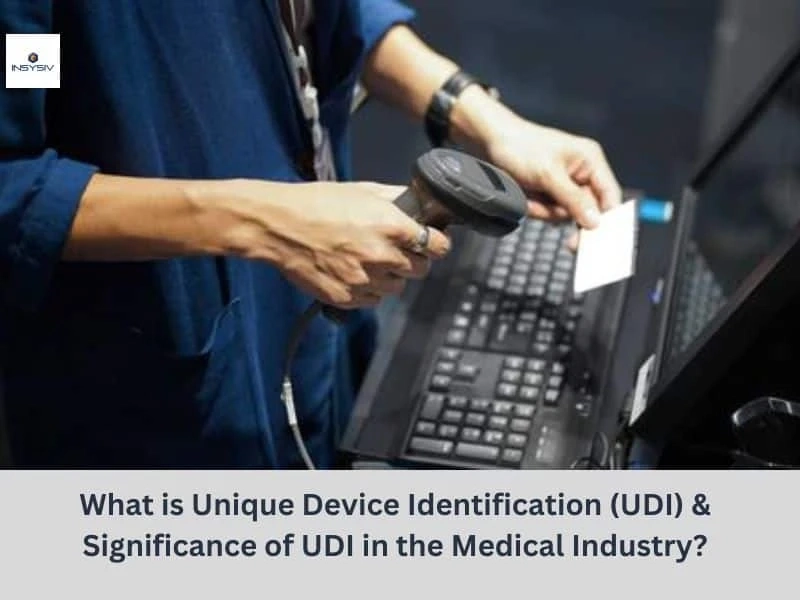
In the ever-evolving landscape of healthcare, the need for efficiency, accuracy, and safety is paramount. One crucial aspect of achieving these goals is through the implementation of Unique Device Identification (UDI) systems. UDIs are alphanumeric codes assigned to medical devices, allowing for their identification and traceability throughout their lifecycle. This blog will delve into what UDI is, its significance in the medical device industry, hospital supply chain, and stock management software.
What is UDI?
UDI is a system implemented by regulatory bodies, such as the Food and Drug Administration (FDA) in the United States and the European Medicines Agency (EMA) in the European Union. The system requires medical device manufacturers to assign a unique identifier to each of their products. This identifier typically includes a device identifier (DI), which identifies the specific version or model of the device, and a production identifier (PI), which includes information such as the lot or batch number, serial number, expiration date, and manufacturing date.
The UDI system aims to improve patient safety, streamline medical device recalls, enhance post-market surveillance, and facilitate more effective inventory management throughout the healthcare supply chain.
Significance of UDI in the Medical Device Industry
- Patient Safety: By having a unique identifier for each medical device, healthcare providers can accurately track and trace devices improving patient care. This helps prevent errors, such as using expired devices or devices subject to recalls. By linking UDI to patient records enables healthcare professionals to promptly detect any issues associated with particular devices and implement necessary measures to ensure the well-being of patients.
- Regulatory Compliance: Regulatory agencies require medical device manufacturers to comply with UDI regulations. Failure to do so can result in penalties and legal consequences. Compliance ensures that devices meet safety and quality standards set by regulatory bodies.
- Efficient Recalls: In the event of a defective or potentially harmful device, UDI enables swift and targeted recalls. Instead of recalling entire product lines, manufacturers can pinpoint affected devices based on their unique identifiers, minimizing disruption to healthcare providers and patients.
- Post-market Surveillance: UDIs enable better monitoring of device performance and safety once they are on the market. By tracking devices through their lifecycle, manufacturers and regulatory agencies can identify trends, potential issues, and adverse events more effectively.
- Counterfeit Detection: Counterfeit medical devices pose a significant risk to patient safety and public health. UDIs can help authenticate devices and identify counterfeit products, ensuring that patients receive genuine and safe medical devices.
Significance of UDI in Hospital Supply Chain
- Inventory Management: UDIs streamline inventory management by providing accurate information about the quantity, location, and status of medical devices within a healthcare facility. This improves efficiency, reduces waste, and ensures that adequate supplies are available when needed.
- Supply Chain Visibility: UDIs enhance visibility and transparency throughout the hospital supply chain. From procurement to usage, stakeholders can track the movement of devices, identify bottlenecks, and optimize inventory levels to meet demand.
- Expiration Management: With UDI, healthcare providers can easily identify and prioritize the use of devices based on their expiration dates. This helps prevent the use of expired devices, reduces waste, and ensures patient safety.
- Cost Savings: By optimizing inventory levels and reducing waste, hospitals can achieve cost savings in their supply chain operations. UDI enables better resource allocation, reduces the risk of stockouts or overstocking, and minimizes the need for emergency purchases.
Significance of UDI in Stock Inventory Management Software
- Integration: Stock inventory management software can integrate UDI data seamlessly into its platform, allowing for real-time tracking and visibility of medical device inventory. This integration improves the accuracy and efficiency of inventory management processes.
- Automation: UDI enables automation of various inventory management tasks, such as replenishment, reordering, and expiration management. Stock inventory management software can leverage UDI data to automate these processes, reducing manual effort and minimizing errors.
- Analytics: By analyzing UDI data, stock inventory management software can provide valuable insights into inventory trends, usage patterns, and procurement decisions. This data-driven approach enables healthcare providers to make informed decisions and optimize their inventory management strategies.
- Compliance: Stock inventory management software can help healthcare providers ensure compliance with UDI regulations by providing tools for capturing, storing, and reporting UDI data. This ensures that organizations meet regulatory requirements and avoid potential penalties.
In conclusion, Unique Device Identification (UDI) plays a crucial role in enhancing patient safety, streamlining hospital supply chain operations, and improving inventory management in the medical device industry. By implementing UDI systems and leveraging stock inventory management software, INSYSIV is showcasing its commitment to enhance healthcare delivery and enact revolutionary change in the industry to achieve greater efficiency, accuracy, and compliance in their operations, ultimately leading to better outcomes for patients.