



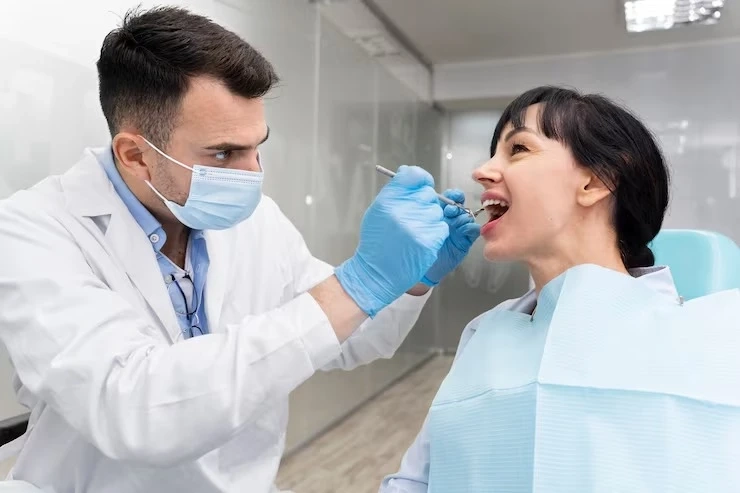
The temporomandibular joint, or TMJ, is one of the most important yet often overlooked joints in the human body. This small hinge connects the jawbone to the skull, allowing the jaw to move smoothly while performing essential functions such as speaking, chewing, and even yawning. Despite its size, this joint plays a critical role in daily life, and when it malfunctions, it can lead to a condition known as temporomandibular joint disorder, or TMJ disorder.
TMJ disorder, sometimes referred to as TMD, affects millions of people around the world, often in subtle ways that go unnoticed at first. Many individuals may experience mild jaw discomfort or occasional clicking sounds, dismissing these signs as minor issues. However, when left untreated, TMJ disorder treatment can escalate, leading to chronic pain, headaches, ear discomfort, and difficulty performing simple tasks like chewing or speaking. Understanding the nature of this disorder, its causes, and the options available for treatment is essential for anyone experiencing jaw-related problems.
At My Dental Touch, we believe that patient education is the first step toward effective care. Our approach emphasizes understanding the condition, identifying its root causes, and providing personalized treatment solutions that restore both function and comfort.
Anatomy of the Jaw: How the TMJ Works
The temporomandibular joint is a complex structure, combining both hinge and sliding motions, which allows for the wide range of movements required for chewing, talking, and yawning. Unlike a simple hinge joint, the TMJ relies on multiple components working together seamlessly. The mandibular condyle, which is the rounded end of the jawbone, fits into a socket in the temporal bone of the skull. Between these two surfaces sits the articular disc, a cushion of cartilage that absorbs pressure and ensures smooth movement. Ligaments and surrounding muscles stabilize the joint and control the jaw’s movement, making it one of the most intricate joints in the human body.
Because of this complexity, even minor issues can lead to significant discomfort. Inflammation of the joint, misalignment of the jaw, or strain on the surrounding muscles can cause symptoms that range from mild soreness to debilitating pain. This intricate anatomy is why TMJ disorders require careful assessment and often a multi-faceted approach to treatment.
Causes of TMJ Disorder
TMJ disorder can develop for various reasons, often resulting from a combination of factors. One of the most common causes is injury or trauma to the jaw. Accidents, sports injuries, or falls can directly impact the joint or surrounding muscles, triggering pain and dysfunction. Arthritis is another contributing factor. Conditions such as osteoarthritis or rheumatoid arthritis can lead to degeneration of the joint, causing stiffness, inflammation, and pain.
Habits like teeth grinding and clenching, known as bruxism, are significant contributors to TMJ disorder. These behaviors, often related to stress or anxiety, place enormous pressure on the jaw muscles and joint, leading to discomfort over time. Stress itself can exacerbate the condition, as individuals may unconsciously clench their jaws or tighten facial muscles during periods of tension.
Dental issues, such as misaligned teeth or bite problems, can also play a role. An overbite, underbite, or missing teeth can alter the natural alignment of the jaw, creating uneven pressure on the joint and increasing the risk of TMJ disorder. Genetics may contribute as well, as some individuals have inherited joint structures that make them more susceptible. Additionally, posture can influence TMJ health, as forward head posture or prolonged periods of leaning over screens can strain the neck and jaw muscles, further aggravating the joint.
Common Symptoms of TMJ Disorder
Symptoms of TMJ disorder vary from person to person, making it a condition that can sometimes be difficult to identify. Jaw pain or tenderness is often the most obvious sign, but the discomfort can extend beyond the jaw to include the face, neck, and shoulders. Many people report hearing clicking, popping, or grating sounds when moving their jaw, which may be accompanied by a sensation of the jaw locking or becoming difficult to move.
Other symptoms can include chronic headaches, ear pain, and even a ringing in the ears, all of which can be directly linked to jaw dysfunction. Some individuals experience difficulty chewing or fully opening their mouths, while others notice changes in their bite alignment over time. It is important to recognize that TMJ disorder symptoms can fluctuate, often worsening during periods of stress or after activities that overuse the jaw, such as chewing gum or eating tough foods.
Because these symptoms can overlap with other conditions, a thorough assessment by a dental professional is essential to ensure accurate diagnosis and appropriate treatment.
How TMJ Disorder is Diagnosed
Diagnosis of TMJ disorder begins with a comprehensive dental and medical evaluation. A specialist will examine the jaw, assessing its alignment, range of motion, and areas of tenderness. Imaging technologies such as X-rays, CT scans, or MRI may be used to provide detailed views of the joint and surrounding structures, allowing the clinician to identify any inflammation, disc displacement, or degenerative changes.
Patient history is another critical component of diagnosis. By documenting when symptoms occur, what triggers them, and how they have progressed over time, clinicians can tailor treatment plans to the individual’s specific needs. Functional assessments, such as testing jaw strength and flexibility, help determine the severity of the disorder and guide recommendations for therapy. Accurate diagnosis is key to developing an effective treatment plan that addresses both the symptoms and the underlying causes of TMJ disorder.
Treatment Options for TMJ
Treatment for TMJ disorder is highly individualized, based on the severity of symptoms and the specific needs of the patient. Non-surgical approaches are often the first line of treatment, focusing on reducing pain, improving function, and addressing contributing factors. Lifestyle modifications, such as avoiding hard or chewy foods and managing stress, can have a significant impact. Physical therapy, including jaw exercises, massage, and the application of heat or cold therapy, helps relax muscles and improve mobility.
Dental splints and nightguards are commonly used to prevent teeth grinding and reduce strain on the joint. Medications, including anti-inflammatories, muscle relaxants, and pain relievers, can provide temporary relief while other treatments take effect.
For patients who do not respond adequately to conservative treatments, minimally invasive interventions may be recommended. Botox therapy, for example, can relax tense jaw muscles, reducing pain and improving function. TMJ injections, such as corticosteroids, can decrease inflammation and provide targeted relief.
Surgical treatments are considered a last resort and are reserved for severe cases where conservative and minimally invasive therapies have failed. Options include arthroscopy, joint replacement, and open-joint surgery. At My Dental Touch, our goal is always to explore the least invasive, most effective solutions first, ensuring patient comfort and long-term results.
Lifestyle Tips and Home Remedies for TMJ
Managing TMJ disorder often requires attention to daily habits. Eating soft foods can help reduce strain on the jaw, while avoiding gum chewing and other activities that overwork the joint can prevent flare-ups. Applying warm compresses can relax tense muscles, and performing jaw exercises recommended by a therapist can improve mobility and strength. Stress management is crucial, as tension in the jaw muscles is often exacerbated by emotional stress. Techniques such as meditation, deep breathing, and gentle yoga can all contribute to reducing TMJ symptoms.
Sleep quality is also closely linked to TMJ health. Poor sleep or teeth grinding during the night can worsen symptoms. Using a nightguard and maintaining good sleep hygiene are effective ways to support healing and reduce discomfort.
Stress, Sleep, and TMJ: How Daily Life Affects Jaw Health
Stress and poor sleep are major contributors to TMJ disorder. Chronic stress can lead to unconscious jaw clenching, while inadequate sleep can exacerbate pain sensitivity. Patients who manage stress through mindfulness practices, relaxation exercises, or counseling often notice significant improvements in their symptoms. Maintaining proper posture during the day, particularly for those who spend long hours at a desk or using digital devices, is equally important, as it helps reduce tension in the neck and jaw muscles.
TMJ and Its Connection to Other Health Issues
TMJ disorder is not isolated to the jaw. Many patients experience headaches, migraines, or ear-related symptoms such as tinnitus as a direct result of joint dysfunction. Neck and shoulder pain are also common, often stemming from compensatory posture adjustments. Treating TMJ disorder can therefore have a positive ripple effect on overall health, improving comfort, mobility, and quality of life.
When to See a TMJ Specialist
Patients should seek professional care if they experience persistent jaw pain lasting more than a few weeks, frequent jaw locking, or severe difficulty opening the mouth. Chronic headaches or ear pain linked to jaw movement are also indicators that a TMJ evaluation is necessary. Early intervention not only alleviates pain but also prevents long-term damage and improves treatment outcomes.
Preventing TMJ Problems
Prevention involves attention to daily habits, including avoiding excessive chewing and maintaining good posture. Stress reduction techniques and regular dental checkups to monitor bite alignment play a critical role in keeping the TMJ healthy. Incorporating jaw exercises and relaxation practices into daily routines can further reduce the risk of developing the disorder.
Frequently Asked Questions (FAQs)
Can TMJ disorder resolve on its own?
Mild TMJ symptoms may improve temporarily with rest and stress reduction, but persistent pain, jaw locking, or headaches usually require professional evaluation. Early treatment prevents worsening and long-term joint damage.
What are the most effective non-surgical treatments for TMJ?
Non-surgical options include jaw exercises, physical therapy, dental splints or nightguards, stress management, and anti-inflammatory medications. Most patients achieve significant relief without surgery when treatment is tailored to their specific needs.
Is surgery necessary for TMJ?
Surgery is only recommended for severe cases where conservative and minimally invasive treatments fail. Most TMJ issues can be managed effectively with non-surgical therapies, making surgery a last-resort option.
How quickly can I expect results from TMJ treatment?
Results vary depending on severity and treatment type. Many patients notice improvement within a few weeks of starting therapy, though some may require months for full relief. Consistent adherence to treatment and lifestyle changes is essential.
Can stress cause TMJ pain?
Yes, stress can trigger jaw clenching and teeth grinding, increasing strain on the TMJ and surrounding muscles. Reducing stress through relaxation techniques or mindfulness practices often alleviates symptoms and prevents flare-ups.
Conclusion
TMJ disorder can impact daily life in profound ways, affecting not just the jaw, but overall well-being. With proper care, symptoms can be managed effectively, restoring comfort, function, and quality of life. At My Dental Touch, we offer personalized TMJ treatment plans tailored to each patient’s needs, combining expert diagnosis, advanced therapy options, and compassionate care. Taking the first step toward treatment can lead to lasting relief and a return to normal, pain-free jaw function. Schedule a consultation today and begin your journey to better jaw health.