



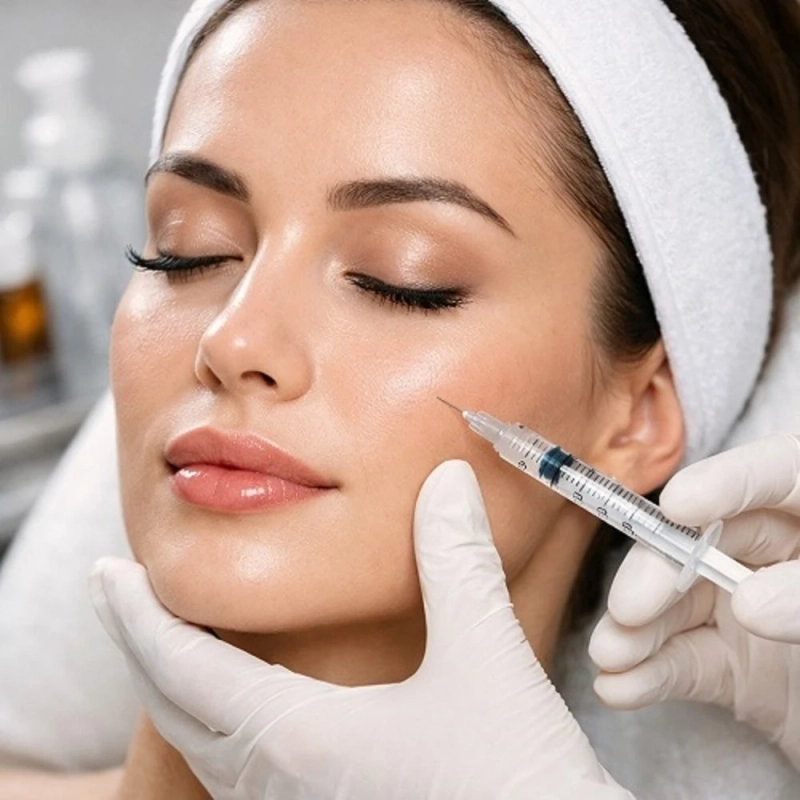
Aging is a natural process, but the desire to maintain youthful, refreshed skin has led many people to explore cosmetic enhancements. Among the most popular non-surgical treatments are dermal fillers, known for their ability to restore volume and contour the face. In recent years, interest in Dermal Filler in Islamabad has significantly increased as more individuals seek subtle, natural-looking improvements. But one of the most common questions remains: What is the best age to get fillers? The answer isn’t as simple as a number. It depends on your goals, skin condition, and the type of results you’re hoping to achieve. This comprehensive FAQ-style guide will help you understand when fillers may be appropriate, what factors matter most, and how to make the right decision for your age and aesthetic needs.
What Are Dermal Fillers and How Do They Work?
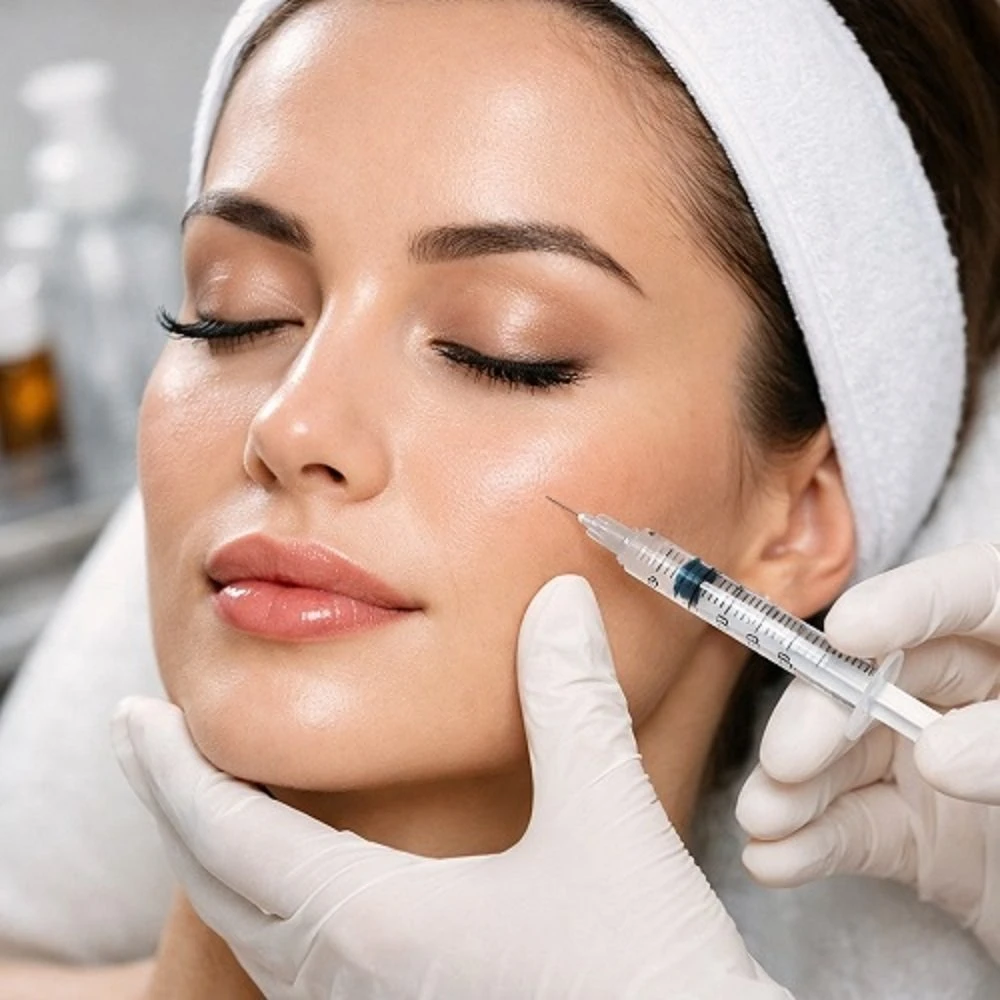
Dermal fillers are injectable gel-like substances designed to restore lost volume, smooth lines, and enhance facial contours. Most modern fillers contain hyaluronic acid (HA), a naturally occurring substance in the skin that helps retain moisture and elasticity.
How Fillers Work:
- Add volume beneath the skin
- Smooth wrinkles and folds
- Enhance lips and cheeks
- Define jawline and chin
- Improve facial symmetry
Results are typically immediate and can last anywhere from 6 months to 18 months, depending on the type of filler used and the treatment area.
Is There a “Best” Age to Start Fillers?
There is no universal “perfect” age to start fillers. Instead, the ideal time depends on your goals and skin condition.
In Your 20s:
- Focus is usually on enhancement, not correction.
- Lip fillers or subtle contouring are common.
- Preventative treatments may delay deep wrinkle formation.
In Your 30s:
- Early volume loss may begin.
- Fine lines around the mouth and eyes appear.
- Fillers can maintain youthful contours.
In Your 40s:
- Noticeable volume loss in cheeks and under-eyes.
- Nasolabial folds deepen.
- Fillers restore structure and lift.
In Your 50s and Beyond:
- More advanced aging signs.
- Combination treatments may be recommended.
- Fillers help rejuvenate facial harmony.
Are Fillers Safe for Younger Patients?
Yes, when performed by qualified professionals, fillers are generally safe for adults over 18. However, younger patients should approach fillers with realistic expectations.
Important Considerations:
- Avoid overfilling.
- Choose natural proportions.
- Ensure facial maturity.
- Consult a licensed aesthetic practitioner.
Preventative filler use in the late 20s or early 30s can be beneficial if done conservatively.
Can Fillers Be Used as a Preventative Treatment?
Yes, fillers are increasingly used preventatively.
How Preventative Fillers Help:
- Maintain volume before significant loss occurs.
- Reduce stress on skin folds.
- Support collagen production (indirectly).
- Slow the formation of deep wrinkles.
Preventative treatments are subtle and typically require smaller amounts of product. The goal is preservation, not transformation.
Reviews
Many patients considering fillers often want reassurance before making a decision. Here are some common feedback themes from individuals who have undergone treatment:
“I started fillers at 32, and it was the best decision. It kept my face looking fresh without looking ‘done.’”
“At 45, I felt like my cheeks were sagging. After fillers, I looked rested and younger — not different.”
“I was nervous at 28, but subtle lip enhancement boosted my confidence.”
The most satisfied patients share one thing in common: they chose experienced practitioners and opted for natural-looking results.
What Happens If You Start Fillers Too Early?
Starting fillers too early isn’t necessarily harmful, but unnecessary treatment can lead to:
- Overfilled appearance
- Facial imbalance
- Dependency on frequent touch-ups
- Wasted investment
It’s important to treat based on clinical need, not trends. A thorough facial assessment helps determine if fillers are truly necessary.
When Is It Too Late to Get Fillers?
It’s rarely “too late” for fillers. Even individuals in their 60s or 70s can benefit from them.
However, advanced aging may require:
- Combination treatments (e.g., skin tightening + fillers)
- Gradual correction over multiple sessions
- More structural support
Fillers can still provide noticeable rejuvenation when used strategically.
Do Fillers Affect Natural Aging?
Fillers do not accelerate aging. In fact, they may:
- Support facial structure
- Prevent deep fold formation
- Encourage collagen stimulation in some cases
However, once fillers dissolve, the face returns to its natural aging process — not worse than before.
How Do You Know If You’re a Good Candidate?
You may be a good candidate if:
- You are 18+ years old
- You have realistic expectations
- You want non-surgical improvement
- You are in good general health
- You are not pregnant or breastfeeding
The best way to determine candidacy is through a personalized consultation.
What Factors Matter More Than Age?
Age is just one piece of the puzzle. More important factors include:
1. Skin Quality
Elasticity, thickness, and hydration levels matter.
2. Bone Structure
Facial framework determines filler placement.
3. Lifestyle
Sun exposure, smoking, and stress impact aging.
4. Genetics
Some individuals lose volume earlier than others.
5. Personal Goals
Enhancement vs. restoration vs. correction.
How Often Should Fillers Be Maintained?
Maintenance depends on:
- Filler type
- Metabolism
- Treatment area
- Injection technique
Generally:
- Lips: 6–9 months
- Cheeks: 12–18 months
- Jawline: 12 months
Younger patients may require less frequent maintenance compared to those addressing advanced aging.
Are Fillers Better Than Botox for Certain Ages?
Fillers and Botox serve different purposes:
- Fillers restore volume.
- Botox relaxes muscle movement.
In your late 20s or early 30s, Botox may be used preventatively for dynamic lines. In your 30s and 40s, a combination of both may deliver optimal results.
The choice depends on whether your concern is volume loss or expression lines.
What Is the Ideal Approach for Natural Results?
The best age for fillers is the age when:
- You notice visible changes.
- You feel less confident about certain features.
- You are mentally prepared.
- You want subtle enhancement.
Natural results come from:
- Conservative dosing
- Gradual improvement
- Strategic placement
- Skilled injection technique
Less is more.
Conclusion: So, What Is the Best Age?
There is no “magic number.” The best age to get fillers is when:
You begin to notice volume changes
You want subtle improvement
You understand the treatment
You consult an experienced professional
For some, that may be 25. For others, it may be 45. The right timing is personal and should align with your aesthetic goals — not societal pressure.
Fillers are about confidence, balance, and enhancement — not age.
Contact Us
If you’re considering fillers and want expert guidance on the right timing for you, professional consultation is essential. Our experienced aesthetic team evaluates your facial structure, skin condition, and long-term goals before recommending treatment. Contact us now to learn more about safe and effective filler treatments designed just for you.
Address : Office Number LG 20 - 21 Interlace Plaza I-8 Markaz Islamabad
Phone : +92 333 5705871
Email : info@glamorousclinic.com.pk
Link : https://www.glamorousclinic.com.pk/