



SOC 2 compliance is one of the most important security frameworks for organizations that handle sensitive customer data. As businesses increasingly rely on cloud platforms, SaaS applications, and digital infrastructure, maintaining strong data protection and transparency has become essential. SOC 2 compliance helps companies demonstrate that they follow strict security practices to protect customer information and maintain trust with clients.
Developed by the American Institute of Certified Public Accountants (AICPA), SOC 2 is a voluntary security standard designed for service organizations that manage customer data. It evaluates how companies implement controls related to security, availability, confidentiality, processing integrity, and privacy.
In this guide, we will explore SOC 2 compliance, the importance of Soc2 type 2, the soc 2 type 2 audit, and how organizations can achieve Soc 2 type 2 compliance to strengthen their cybersecurity posture.
What is SOC 2 Compliance?
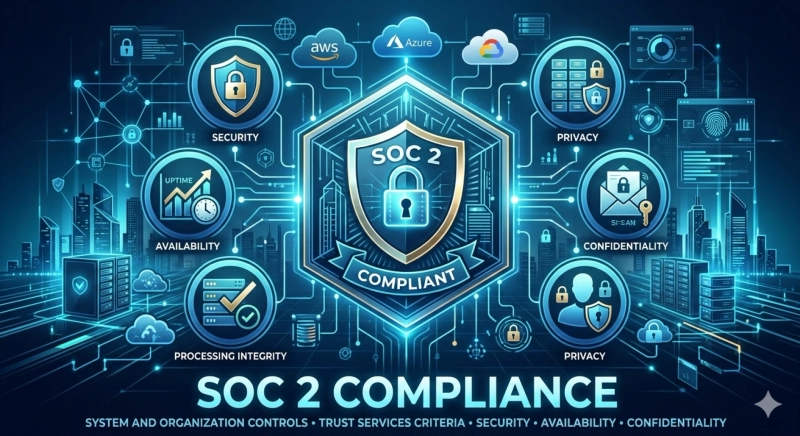
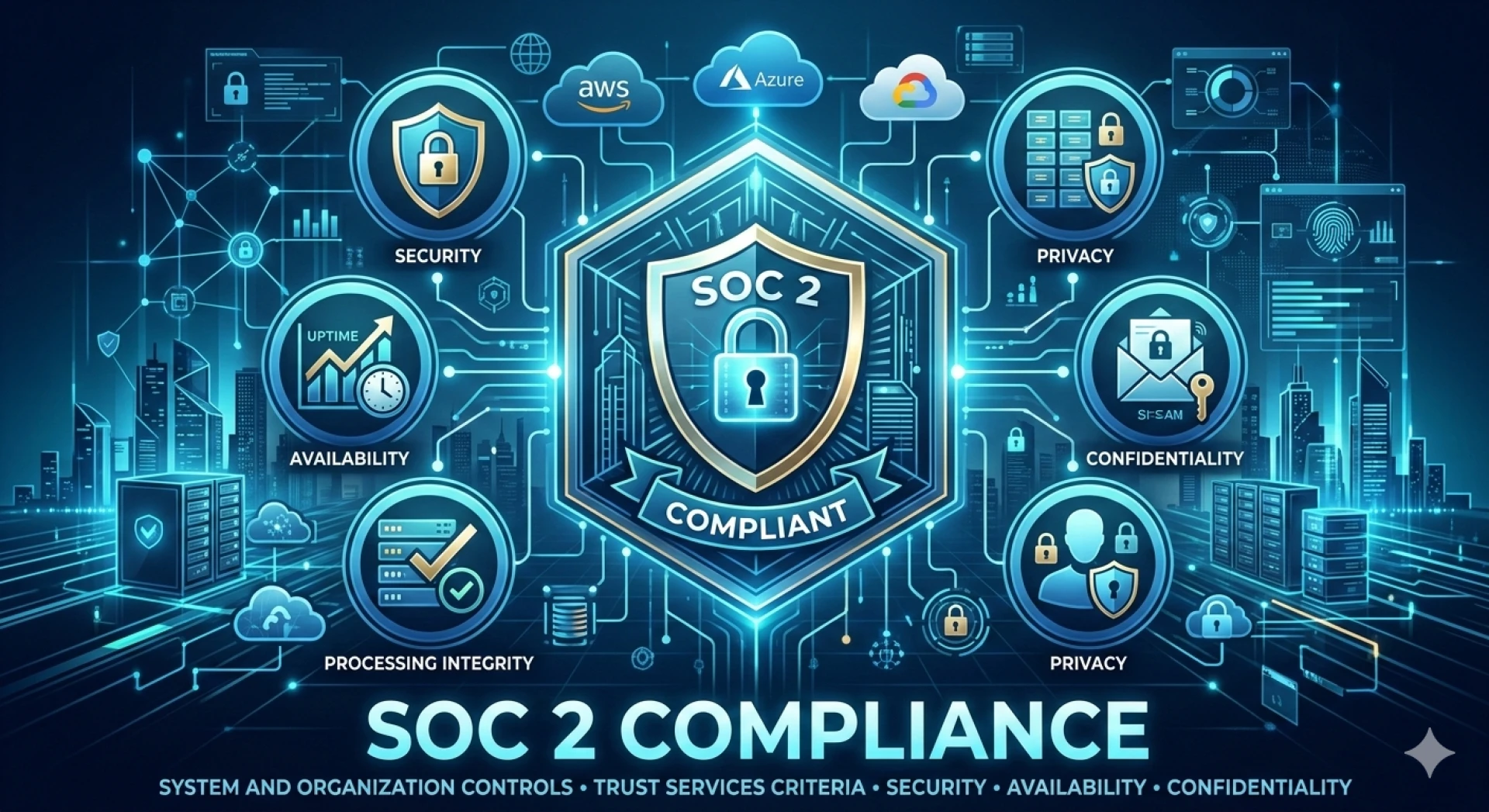
SOC 2 compliance refers to a framework that evaluates how organizations manage and protect sensitive data using internal controls and security processes. The standard focuses on the Trust Services Criteria, which include:
- Security
- Availability
- Processing Integrity
- Confidentiality
- Privacy
These principles ensure that systems and data are protected against unauthorized access, data breaches, and operational failures.
SOC 2 compliance is widely used by SaaS companies, cloud service providers, and technology organizations that store or process customer data. Achieving SOC 2 demonstrates that a company has implemented strong cybersecurity controls and follows industry best practices for protecting data.
Understanding Soc2 Type 2
Soc2 type 2 is an advanced level of SOC 2 reporting that evaluates how effectively an organization’s security controls operate over a defined period of time, usually between 3 and 12 months.
Unlike Type I, which assesses whether controls are designed properly at a specific point in time, Soc 2 type 2 compliance demonstrates that these controls are consistently functioning and effectively protecting data over time.
This long-term evaluation provides deeper assurance to customers, partners, and stakeholders that security policies are not only documented but actively implemented within the organization.
What is a SOC 2 Type 2 Audit?
A soc 2 type 2 audit is conducted by an independent Certified Public Accountant (CPA) firm. The auditor evaluates the organization’s controls, processes, and documentation to verify that security practices align with SOC 2 requirements.
The audit typically includes several steps:
- Defining the scope of systems and services being evaluated
- Reviewing policies, procedures, and security controls
- Testing the effectiveness of implemented controls
- Collecting evidence over a period of time
- Issuing a SOC 2 report with the auditor’s findings
The final report demonstrates whether the organization meets SOC 2 standards and how well its security controls operate in real-world environments.
Security SOC 2 and the Trust Services Criteria
One of the most critical components of SOC 2 is Security SOC 2, which is the mandatory principle in every SOC 2 audit.
Security focuses on protecting systems and data from unauthorized access and cyber threats. Key controls typically include:
- Access management and authentication
- Encryption and data protection
- Network monitoring and intrusion detection
- Incident response procedures
- Physical and logical security controls
These measures help organizations maintain a strong cybersecurity framework while minimizing risks associated with data breaches or system compromise.
Benefits of SOC 2 Type 2 Compliance
Achieving Soc 2 type 2 certification provides numerous advantages for organizations operating in data-driven industries.
1. Builds Customer Trust
SOC 2 reports prove that an organization follows strict security practices, which increases trust among clients and partners.
2. Competitive Advantage
Many enterprises require vendors to demonstrate SOC 2 compliance before signing contracts. Companies with SOC 2 Type 2 reports are more likely to win business opportunities.
3. Improved Security Practices
SOC 2 implementation encourages organizations to strengthen internal controls, reduce vulnerabilities, and adopt best cybersecurity practices.
4. Risk Management
SOC 2 frameworks help organizations identify potential security risks and implement effective mitigation strategies.
5. Alignment with Other Standards
SOC 2 often aligns with other frameworks such as ISO 27001, NIST, and GDPR, helping organizations manage multiple compliance requirements efficiently.
Who Needs SOC 2 Compliance?
SOC 2 compliance is especially important for organizations that manage customer or third-party data, including:
- SaaS companies
- Cloud service providers
- Fintech platforms
- Data centers
- IT service providers
- Managed service providers (MSPs)
For many technology companies, SOC 2 Type 2 has become a standard requirement to prove that their systems and data protection practices meet industry expectations.
Steps to Achieve SOC 2 Type 2 Compliance
Organizations seeking Soc 2 type 2 compliance typically follow these steps:
- Conduct a readiness assessment to identify security gaps
- Implement security controls aligned with Trust Services Criteria
- Document policies, procedures, and risk management processes
- Monitor systems and maintain security evidence
- Engage an independent auditor for the SOC 2 Type 2 audit
- Address any findings and obtain the final SOC 2 report
Maintaining compliance requires continuous monitoring, periodic reviews, and regular improvements to security practices.
Conclusion
SOC 2 compliance has become a critical standard for organizations that manage sensitive customer data. By implementing strong security controls and undergoing a soc 2 type 2 audit, businesses can demonstrate their commitment to data protection, operational transparency, and cybersecurity excellence.
Achieving Soc 2 type 2 compliance not only strengthens an organization’s security framework but also builds trust with clients, partners, and stakeholders. As cyber threats continue to grow, companies that adopt SOC 2 standards are better equipped to protect data, manage risks, and maintain long-term business credibility.
FAQs
1. What is SOC 2 compliance?
SOC 2 compliance is a security framework that evaluates how organizations manage and protect customer data based on the Trust Services Criteria: security, availability, processing integrity, confidentiality, and privacy.
2. What is Soc2 type 2?
Soc2 type 2 is a SOC 2 report that evaluates how effectively an organization’s controls operate over a period of time, typically several months.
3. What is a soc 2 type 2 audit?
A soc 2 type 2 audit is an independent assessment conducted by a CPA firm to verify whether an organization’s security controls are functioning effectively over time.
4. Is SOC 2 a certification?
SOC 2 is technically an attestation report issued by an auditor rather than a traditional certification, although it is often referred to as Soc 2 type 2 certification in business contexts.
5. Why is Security SOC 2 important?
Security SOC 2 is mandatory in every SOC 2 audit and ensures that systems and data are protected against unauthorized access, breaches, and cyber threats.