



The SGPT blood test—also known as ALT (Alanine Aminotransferase)—is an important marker used to evaluate liver health. This test helps detect liver damage or inflammation before symptoms appear, making it a vital part of regular health checkups and liver disease monitoring.
In this blog, we’ll explore what SGPT is, its normal range, and what different levels may indicate.
What Is SGPT/ALT?
SGPT stands for Serum Glutamate Pyruvate Transaminase, also called Alanine Aminotransferase (ALT). It’s an enzyme primarily found in the liver, but small amounts also exist in the kidneys, heart, and muscles.
When liver cells are damaged, SGPT leaks into the bloodstream, causing elevated levels. That’s why it is considered a sensitive marker for liver injury.
Why Is the SGPT Test Done?
Doctors often recommend the SGPT test for:
1. Routine liver function screening
2. Monitoring patients taking liver-impacting medications
3. Diagnosing liver conditions such as hepatitis, fatty liver disease, or cirrhosis
4. Evaluating unexplained fatigue, jaundice, or abdominal pain
5. It is typically ordered as part of a Liver Function Test (LFT) panel, which includes other enzymes like SGOT (AST), ALP, and bilirubin.
What Is the Normal SGPT (ALT) Level?
While normal values may vary slightly between laboratories, the generally accepted normal SGPT range is:
1. Men: 7 to 55 units per liter (U/L)
2. Women: 7 to 45 units per liter (U/L)
Note: Children and pregnant individuals may have naturally higher SGPT levels due to metabolic or physiological changes.
Interpreting SGPT Test Results
Normal SGPT Levels
1. Indicates the liver is functioning well.
2. No evident damage or inflammation in the liver.
Mild to Moderately Elevated SGPT (56–200 U/L)
Common causes:
1. Fatty liver (non-alcoholic or alcoholic)
2. Mild viral hepatitis
3. Certain medications like statins, antibiotics, or painkillers
4. Muscle injury or strenuous exercise
High SGPT Levels (>200 U/L)
May suggest:
1. Acute viral hepatitis (A, B, C)
2. Liver cirrhosis
3. Drug-induced liver injury (e.g., paracetamol overdose)
4. Autoimmune hepatitis
5. Ischemic hepatitis (due to lack of oxygen)
6. Liver tumors or cancer
SGPT vs. SGOT: What’s the Difference?
Both are liver enzymes, but they have different profiles:
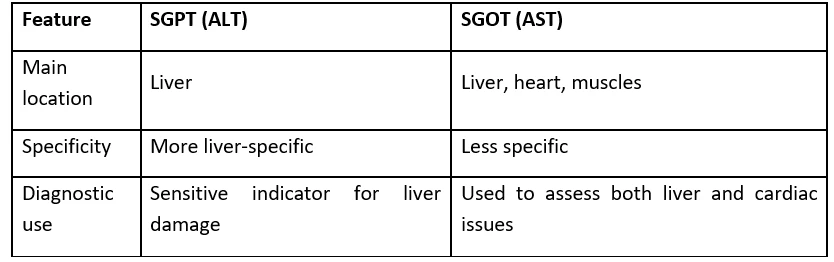
A SGOT/SGPT ratio is sometimes used to help distinguish alcoholic liver disease from other causes of liver injury.
Factors Affecting SGPT Levels
SGPT levels can fluctuate due to various lifestyle, medication, or health factors:
Can increase due to:
1. Alcohol consumption
2. Obesity or metabolic syndrome
3. Hepatitis infections
4. Over-the-counter pain relievers
5. Herbal supplements or bodybuilding steroids
Can decrease due to:
1. Vitamin B6 deficiency
2. Protein-calorie malnutrition
Always inform your doctor about any supplements, medications, or health conditions before testing.
How to Maintain Healthy SGPT Levels?
Maintaining liver health helps keep SGPT within the normal range. General suggestions include:
1. Eating a balanced, low-fat diet
2. Limiting alcohol
3. Managing blood sugar and cholesterol
4. Avoiding unnecessary medications or toxins
5. Staying physically active
6. Regular screening is essential, especially if you have risk factors like obesity, diabetes, or a family history of liver disease.
Conclusion
The SGPT (ALT) test helps monitoring liver health. A normal SGPT level indicates a healthy liver, while elevated values may point to early liver damage or inflammation.
By understanding what your SGPT level means—and getting regular checkups—you can take control of your liver health before complications arise.