



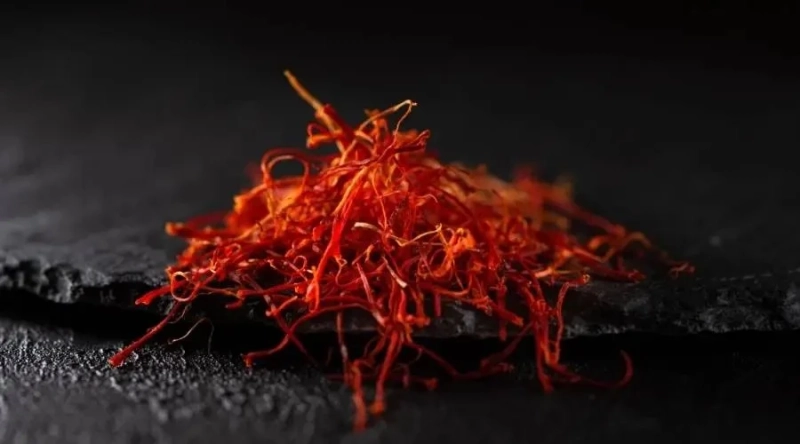
For centuries, saffron has held a place of honor in kitchens, traditional medicine, and cultural ceremonies across the globe. Its deep red threads, unmistakable aroma, and rich golden color have made it one of the most sought‑after spices in human history. Yet many people still wonder: what is saffron, and why is it so valuable?
This article explores saffron from every angle—its origins, harvesting process, culinary uses, and growing role in modern wellness—offering a clear and comprehensive understanding of this extraordinary spice.
The Origins of Saffron: A Spice Rooted in History
To understand what is saffron, it helps to begin with its origins. Saffron comes from the Crocus sativus flower, a delicate purple bloom that produces only three thin red stigmas. These stigmas are the saffron threads used in cooking and supplements.
Historical records show that saffron has been cultivated for more than 3,000 years. Ancient civilizations in Persia, Greece, India, and the Mediterranean prized saffron for its culinary, medicinal, and ceremonial value. It was used to dye fabrics, flavor royal dishes, and even as an offering in religious rituals.
Today, saffron remains a symbol of luxury and craftsmanship, with Iran, Spain, India, and Greece among the world’s leading producers.
Why Saffron Is So Valuable
One of the most common questions people ask when learning what is saffron is why it costs so much. The answer lies in the labor‑intensive harvesting process.
Each Crocus sativus flower must be hand‑picked, and the three saffron threads must be carefully removed by hand. It takes approximately 75,000 flowers to produce just one pound of saffron. This meticulous process, combined with limited global production, makes saffron the most expensive spice in the world.
Its value, however, is not based on rarity alone. Saffron’s unique flavor, aroma, and wellness properties contribute to its enduring demand.
The Distinctive Flavor and Aroma of Saffron
Understanding what is saffron also means appreciating its sensory qualities. Saffron has a warm, slightly sweet, and subtly earthy flavor. Its aroma is often described as floral with hints of honey and hay.
When added to dishes, saffron releases a vibrant golden color that enhances both presentation and taste. This makes it a favorite ingredient in iconic dishes such as:
- Persian saffron rice
- Spanish paella
- Indian biryani
- Italian risotto alla Milanese
- Middle Eastern pilafs
A small amount of saffron goes a long way, which is why even a few threads can transform a dish.
The Science Behind Saffron’s Wellness Properties
Beyond its culinary uses, saffron has gained attention for its potential wellness benefits. Modern research has identified several bioactive compounds—crocin, safranal, and picrocrocin—that contribute to saffron’s antioxidant and mood‑supporting properties.
People exploring what is saffron often discover that it may support:
- Emotional well‑being
- Cognitive function
- Cellular health
- Appetite balance
These qualities have led to the growing popularity of saffron supplements. For those interested in learning more about saffron’s broader applications, additional insights are available through this what is saffron resource.
How Saffron Is Used Around the World
Saffron’s versatility is one of the reasons it has remained relevant for thousands of years. Its uses extend far beyond cooking.
Culinary Uses
Saffron is used in rice dishes, soups, stews, desserts, teas, and even baked goods. Its color and aroma elevate both simple and elaborate recipes.
Traditional Medicine
In various cultures, saffron has been used to support mood, digestion, and overall vitality.
Modern Wellness
Today, saffron is incorporated into supplements, skincare products, and herbal blends due to its antioxidant properties.
Cultural and Ceremonial Use
Saffron has long been associated with celebrations, religious rituals, and symbolic traditions.
Understanding what is saffron means recognizing its role not just as a spice, but as a cultural and historical treasure.
How to Identify High‑Quality Saffron
Because saffron is so valuable, it is sometimes mixed with lower‑quality substitutes. Knowing how to identify authentic saffron is essential.
High‑quality saffron typically has:
- Deep red threads with slight orange tips
- A strong, natural aroma
- A bitter taste when chewed (not sweet)
- Threads that do not break easily
- A slow‑releasing golden color when soaked in warm water
Pure saffron threads should never dissolve or release color instantly—this is a sign of artificial dye.
How to Use Saffron at Home
Using saffron correctly enhances both flavor and value. The most common method is blooming: soaking saffron threads in warm water, milk, or broth for 10–20 minutes before adding them to a dish. This releases the spice’s full color and aroma.
Saffron can be used in:
- Rice dishes
- Soups and stews
- Marinades
- Desserts
- Herbal teas
A small pinch is usually enough for most recipes.
Final Thoughts: Why Saffron Continues to Inspire
Understanding what is saffron reveals why this spice has captivated cultures for millennia. Its rarity, beauty, and versatility make it unlike any other ingredient. Whether used in cooking, wellness routines, or cultural traditions, saffron remains a symbol of quality and refinement.
As interest in natural ingredients grows, saffron continues to stand out as a timeless and meaningful addition to modern life.