



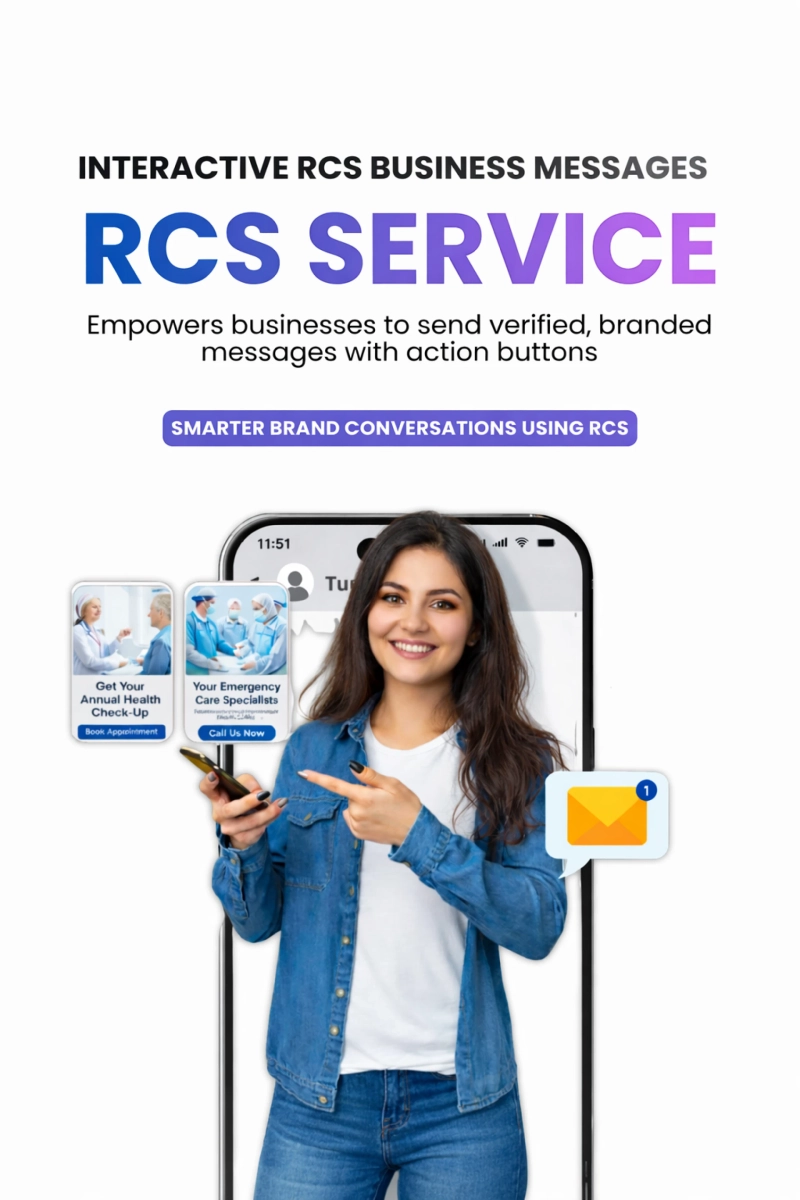
Rich Communication Services (RCS) is a modern messaging protocol designed to replace traditional SMS and MMS text messaging. It brings advanced features—similar to popular messaging apps like WhatsApp or iMessage—directly into a user’s default messaging app. With RCS, users can send rich, interactive, and media-heavy messages without needing a separate app or internet-based platform.
RCS is supported by mobile carriers and works primarily on Android devices, with growing global adoption. It aims to make text messaging more engaging, secure, and functional for both individuals and businesses.
What Is Rich Communication Services (RCS)?
Rich Communication Services (RCS) is an upgraded messaging standard developed by the GSM Association (GSMA). Unlike SMS, which is limited to 160 characters and plain text, RCS supports rich media and interactive features.
With RCS, users can:
- Send high-quality images and videos
- See typing indicators and read receipts
- Share files, locations, and contact cards
- Participate in group chats with advanced controls
- Interact with businesses through branded messages
RCS works inside the default messaging app on supported smartphones, meaning users do not need to download a third-party app to use it.
How Is RCS Different from SMS and MMS?
Traditional SMS and MMS were created decades ago and have significant limitations. RCS was developed to overcome these issues.
Key differences include:
- Message length: SMS has strict character limits, while RCS supports long messages.
- Media quality: MMS compresses images and videos, but RCS allows high-resolution media.
- Interactivity: SMS does not support buttons, carousels, or real-time actions; RCS does.
- Internet usage: SMS works on cellular networks only, while RCS uses mobile data or Wi-Fi.
- User experience: RCS offers a chat-like experience similar to modern messaging apps.
How Do Rich Communication Services Work?
RCS works by using internet connectivity instead of traditional cellular signaling. When both the sender and receiver have RCS enabled and supported by their carrier and device, messages are sent using data rather than SMS infrastructure.
Here’s how the process works step by step:
- Device Compatibility
- The user must have an RCS-enabled smartphone, usually an Android device with Google Messages or a carrier-supported messaging app.
- Carrier or Cloud Support
- RCS is supported either by mobile carriers or through cloud platforms like Google’s RCS infrastructure.
- Internet Connection
- Messages are sent using mobile data or Wi-Fi, allowing richer content and real-time features.
- Fallback to SMS
- If the recipient does not support RCS, the message automatically falls back to SMS or MMS, ensuring message delivery.
Key Features of Rich Communication Services
RCS offers several advanced features that significantly improve the messaging experience:
1. Rich Media Sharing
Users can send high-quality photos, videos, audio messages, and documents without compression issues.
2. Read Receipts and Typing Indicators
RCS shows when a message has been delivered, read, or when the other person is typing.
3. Group Chats
Enhanced group messaging with naming options, adding or removing participants, and better media sharing.
4. Interactive Messaging
RCS supports buttons, suggested replies, and carousels, making conversations faster and more engaging.
5. Business Messaging
Businesses can send branded messages, promotions, appointment reminders, and customer support messages directly to users.
RCS for Business Communication
One of the biggest advantages of Rich Communication Services is its use in business messaging. Companies can create interactive conversations instead of sending plain promotional texts.
Examples include:
- Order confirmations with tracking buttons
- Appointment reminders with reschedule options
- Customer support chats
- Product catalogs inside messages
These features improve customer engagement and reduce friction in communication.
Security and Privacy in RCS
Security in RCS depends on the platform and provider. Some RCS implementations offer end-to-end encryption for one-to-one chats, while others use transport-level encryption.
Although RCS is more secure than SMS, it is still evolving, and security features may vary depending on the carrier and messaging app.
Advantages of Rich Communication Services
- Better user experience than SMS
- No need for third-party apps
- Supports multimedia and interactivity
- Ideal for business and customer engagement
- Works globally with carrier support
Limitations of RCS
Despite its benefits, RCS has some limitations:
- Not universally supported on all devices
- iOS support is limited
- Requires internet connectivity
- Feature availability may vary by region and carrier
The Future of Rich Communication Services
RCS is steadily gaining adoption worldwide and is considered the future of traditional text messaging. As more carriers, devices, and platforms support RCS, it is expected to become a standard communication channel for both personal and business use.
With continuous improvements in security, compatibility, and features, Rich Communication Services is positioned to bridge the gap between SMS and modern messaging apps.