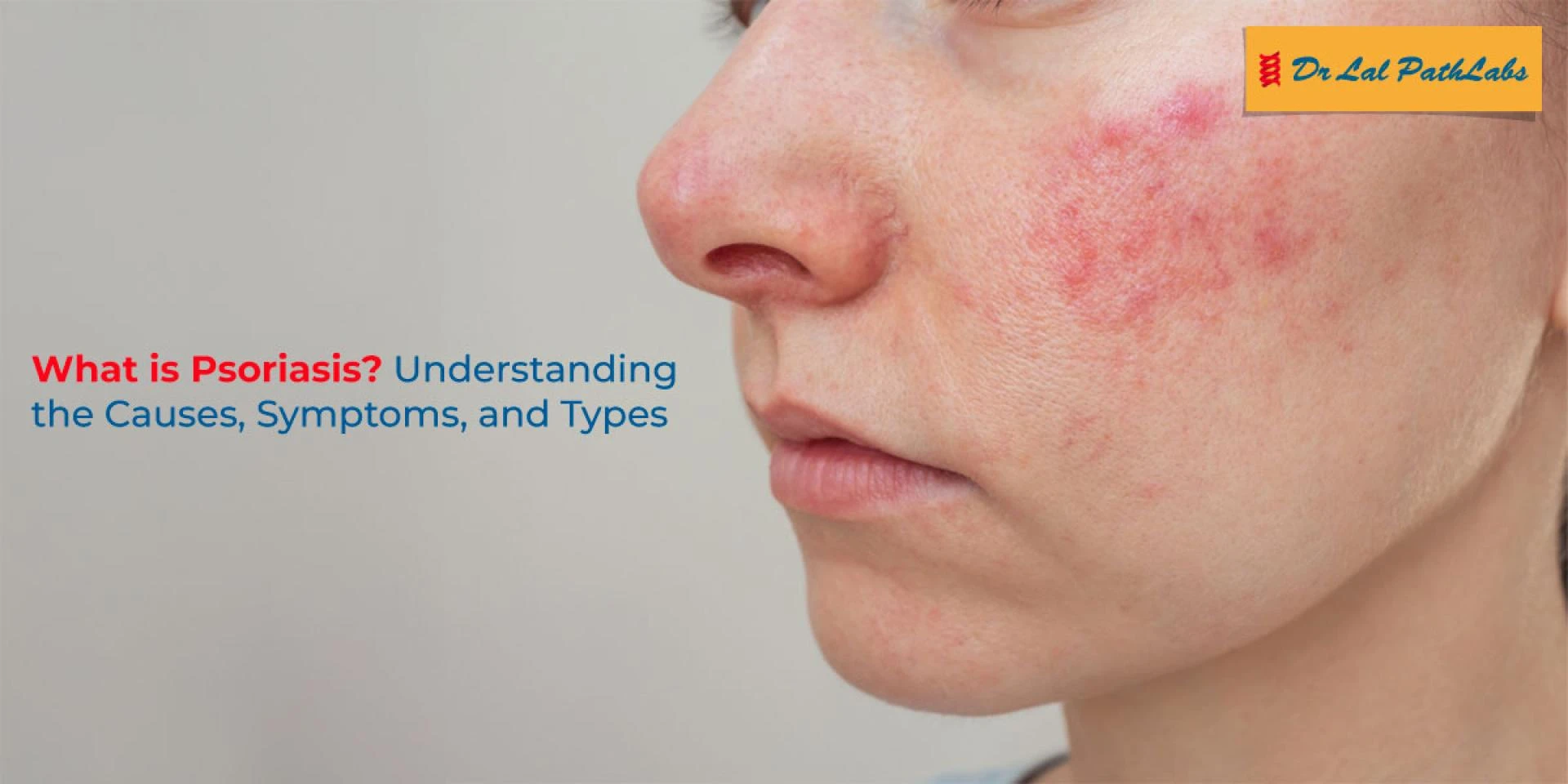
Psoriasis is more than just a skin condition—it’s a chronic autoimmune disease that causes rapid skin cell turnover, leading to red, scaly, and often itchy patches on the skin. It affects millions of people globally and can significantly impact a person’s physical and emotional well-being. Although there’s no cure, understanding the condition can help with better management and improve the quality of life.
In this article, we'll explore the causes, common symptoms, and types of psoriasis.
What is Psoriasis?
Psoriasis is a chronic autoimmune disease where the body’s immune system mistakenly attacks healthy skin cells. This accelerates the life cycle of skin cells, causing them to build up rapidly on the surface of the skin. Instead of shedding every few weeks, skin cells regenerate every few days, leading to thick, red, scaly patches known as plaques.
It is a non-contagious condition but can be lifelong and fluctuates in severity.
What Causes Psoriasis?
While the exact cause of psoriasis is not fully understood, it involves a combination of genetic, immune system, and environmental factors.
Key Factors:
1. Autoimmune dysfunction: The immune system sends faulty signals that speed up skin cell production.
2. Genetics: Family history increases your risk. About 30% of people with psoriasis have a relative to the condition.
3. Environmental triggers: Stress, infections, injury to the skin, and certain medications can trigger or worsen symptoms.
Common Psoriasis Triggers
Psoriasis symptoms may flare up in response to:
1. Infections (especially strep throat)
2. Cold, dry weather
3. Stress
4. Skin injuries (cuts, scrapes, sunburn)
5. Smoking or alcohol use
6. Certain medications (like beta-blockers, lithium, or antimalarial drugs)
Symptoms of Psoriasis
The signs of psoriasis can vary depending on the type, location, and severity. However, the most common symptoms include:
1. Raised, red patches of skin covered with silvery-white scales
2. Dry, cracked skin that may bleed
3. Itching, burning, or soreness
4. Thickened or ridged nails
5. Joint pain or swelling (in psoriatic arthritis)
Symptoms often appear in cycles, with flare-ups lasting for weeks or months, followed by periods of remission.
Common Areas Affected
Psoriasis can appear on any part of the body, but it typically affects:
1. Scalp
2. Elbows and knees
3. Lower back
4. Palms and soles
5. Nails
6. Genitals
Types of Psoriasis
There are several types of psoriasis, each with unique features:
1. Plaque Psoriasis (Psoriasis Vulgaris)
1. Most common type (affects ~80–90% of patients)
2. Characterized by red plaques with white or silver scales
3. Commonly appears on the scalp, elbows, knees, and back
2. Guttate Psoriasis
1. Appears as small, drop-shaped lesions
2. Often triggered by bacterial infections, especially in children and young adults
3. Inverse Psoriasis
1. Develops in skin folds (armpits, groin, under breasts)
2. Red, shiny, and smooth lesions (without scales)
3. Aggravated by sweating or friction
4. Pustular Psoriasis
1. Causes white pustules (blisters) surrounded by red skin
2. May be localized (palms and soles) or generalized (severe cases)
5. Erythrodermic Psoriasis
1. Rare and severe form involving widespread redness and peeling
2. Can be life-threatening and requires urgent medical attention
6. Psoriatic Arthritis
1. Affects joints and skin
2. Causes joint pain, stiffness, and swelling
3. Can lead to permanent joint damage if untreated
Diagnosis of Psoriasis
Psoriasis is typically diagnosed through:
1. Physical examination: Visual inspection of skin, nails, and joints
2. Medical history: Family history and past flare-ups
3. Skin biopsy (rarely): To rule out other conditions
No specific blood test is used to diagnose psoriasis, but tests may help rule out similar skin diseases.
Living with Psoriasis
Although psoriasis is chronic, many people manage it successfully with a combination of:
1. Skincare routines: moisturizers, medicated creams.
2. Healthy lifestyle: Stress management, avoiding triggers.
3. Medical treatments (as prescribed by doctors): Including topical, systemic, or biologic options.
4. Support from healthcare providers, family, and peer groups can also help improve mental well-being.
Final Thoughts
Psoriasis is a complex autoimmune disease with visible and invisible effects. Understanding its causes, symptoms, and types is the first step toward better management and improving your daily quality of life.
If you or someone you know is experiencing unexplained skin changes or persistent irritation, don't hesitate to seek medical advice. With the right care and support, living well with psoriasis is absolutely possible.