



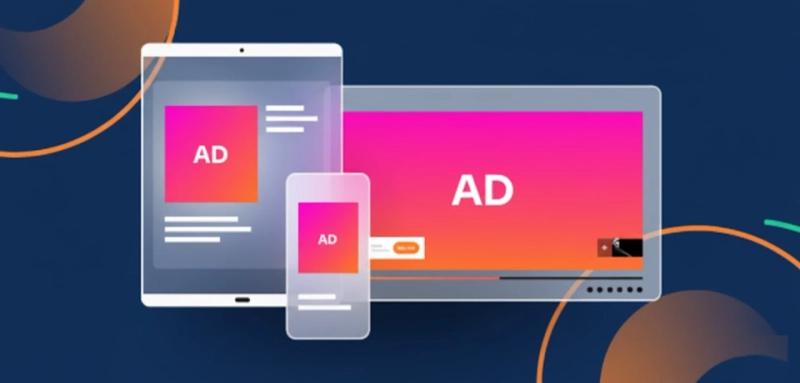
Programmatic advertising has become one of the most advanced and reliable ways to run digital ads. Instead of relying on manual placements or direct deals with publishers, this system automates the entire process using artificial intelligence, algorithms, and real-time data.
If you want an easy-to-understand guide that’s detailed, updated, and SEO-ready, here it is.
What Is Programmatic Advertising?
Programmatic advertising is a fully automated method of buying and selling digital ad space. It uses software to decide which ad should appear, who should see it, and how much should be paid for that impression.
In simple terms:
Programmatic advertising uses smart technology to deliver ads to people who are most likely to take action.
This automation allows ads to appear across multiple platforms such as:
- Websites and blogs
- Mobile applications
- OTT platforms (Hotstar, JioCinema, Zee5)
- Connected TV
- YouTube inventory
- Audio streaming apps
- In-game ad placements
- Digital billboards (DOOH)
Why Is Programmatic Advertising Growing So Fast?
The traditional method of manually buying ad placements cannot match the speed or accuracy of programmatic platforms. Today’s audience moves between apps, websites, and devices quickly — programmatic keeps up with that behavior in real time.
Key reasons for its rise in India:
- Massive increase in CTV & OTT consumption
- Growth of AI-based ad platforms
- Better accuracy in targeting
- Reduced advertising waste
- Higher ROI for businesses
- Mobile-first audience behavior
- Importance of first-party data due to cookie restrictions
As digital spending increases, more Indian brands are shifting their budgets to programmatic.
How Programmatic Advertising Works (Explained in Simple Steps)
1. A User Opens a Digital Platform
When someone loads a webpage or app, an ad slot becomes available.
2. A Bid Request Is Generated
The publisher’s system sends user-related information (device, location, interests, etc.) to an ad exchange.
3. Advertisers Analyze the User
A DSP (Demand-Side Platform) checks if the user fits the advertiser’s audience requirements.
4. Automated Bidding Happens in Milliseconds
Multiple advertisers compete to win the impression.
5. The Best Ad Appears Instantly
The highest and most relevant bid wins, and the ad is shown immediately.
This decision-making happens faster than a blink.
Important Elements of Programmatic Advertising
1. DSP (Demand-Side Platform)
The tool advertisers use to buy ad impressions automatically.
2. SSP (Supply-Side Platform)
The technology publishers use to sell their ad inventory.
3. Ad Exchange
A digital marketplace where ad buying and selling takes place.
4. Data Platforms (CDP/DMP)
They collect user data to improve targeting accuracy.
Different Types of Programmatic Advertising
1. Open RTB (Real-Time Bidding)
A public auction where any advertiser can bid for impressions.
2. Private Marketplace (PMP)
A premium, invitation-based auction with high-quality publishers.
3. Programmatic Direct
A fixed-price deal without an auction, but still automated.
4. Programmatic Guaranteed
A premium direct deal where the advertiser is assured of a set number of impressions.
Where Can Programmatic Ads Appear?
Programmatic supports a wide variety of ad formats:
- Banner ads
- Native ads
- In-app ads
- In-stream & out-stream video ads
- OTT ads
- Connected TV ads
- Interstitial ads
- Audio ads on music apps
- Digital out-of-home screens
This flexibility lets advertisers reach users across all digital touchpoints.
Advantages of Programmatic Advertising
1. Advanced Targeting Capabilities
Marketers can target users based on:
- Age, gender, and location
- Interests and browsing activity
- Devices used
- Time of day
- Purchase intent
- Behavioral signals
2. Better Budget Control & Higher ROI
The system reduces wasted ad spend by focusing only on relevant users.
3. Real-Time Improvements
Campaigns automatically optimize themselves as performance data comes in.
4. Wide Reach Across Platforms
One campaign can run across thousands of websites, apps, and OTT platforms.
5. Brand-Safe & Transparent
Advertisers can choose where their ads appear and avoid low-quality placements.
6. Automated Workflow
No need for time-consuming manual negotiations.
Programmatic Advertising in India: Trends for 2025
India’s digital transformation is driving strong interest in programmatic buying.
A few main trends shaping its future:
- CTV audiences are growing rapidly
- JioCinema & Hotstar dominate sports streaming
- Entertainment and e-commerce brands are increasing programmatic budgets
- First-party data is becoming crucial due to privacy rules
- AI-driven bidding is improving results and reducing CPA
Industries using programmatic the most:
- Real estate
- E-commerce
- Finance & banking
- D2C brands
- Education
- Gaming
- Automotive
Is Programmatic Better than Google Ads?
Google Ads works inside Google’s ecosystem (Search, YouTube, Display Network).
Programmatic advertising expands beyond Google and offers larger inventory, more formats, and deeper audience targeting.
Both platforms are powerful, and many advertisers use them together for best results.
Examples of Programmatic Advertising in Action
- A skincare brand showing personalized video ads on OTT platforms
- A real estate company targeting homebuyers across news websites
- A learning app running in-app ads for students
- A car brand showing CTV ads during cricket matches
- A fintech company using native ads on finance blogs
Why Programmatic Is the Future of Digital Advertising
Programmatic is becoming the backbone of modern advertising because it offers:
- Automation
- Better targeting
- Faster optimization
- Higher transparency
- Wider inventory access
- Stronger data usage
As digital consumption grows, programmatic will continue to dominate ad buying.
READ ALSO:- Understanding Ad-Tech: What It Is and Why It Matters
Conclusion
Programmatic ad is the modern, efficient, and highly intelligent way to run digital campaigns. By combining automation with data and AI, it delivers personalized ads at the right moment, reduces waste, and maximizes results. Whether you’re a small business or a large enterprise, understanding programmatic can significantly improve your marketing performance.