



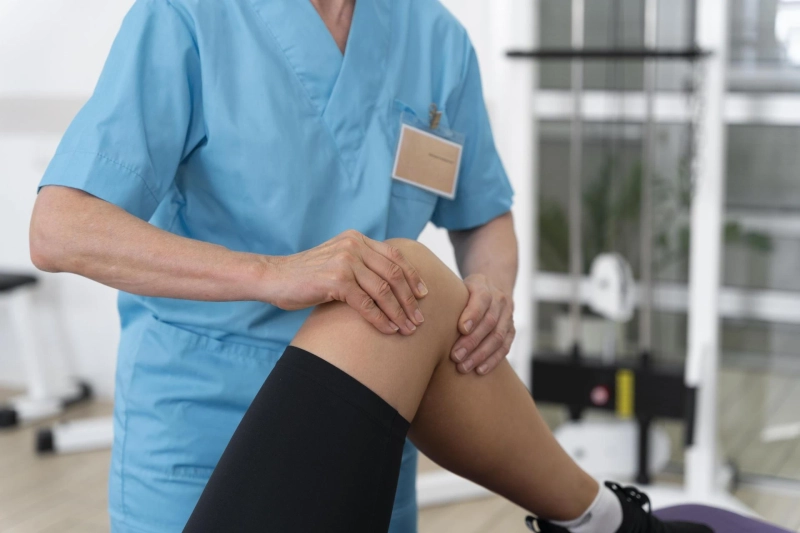
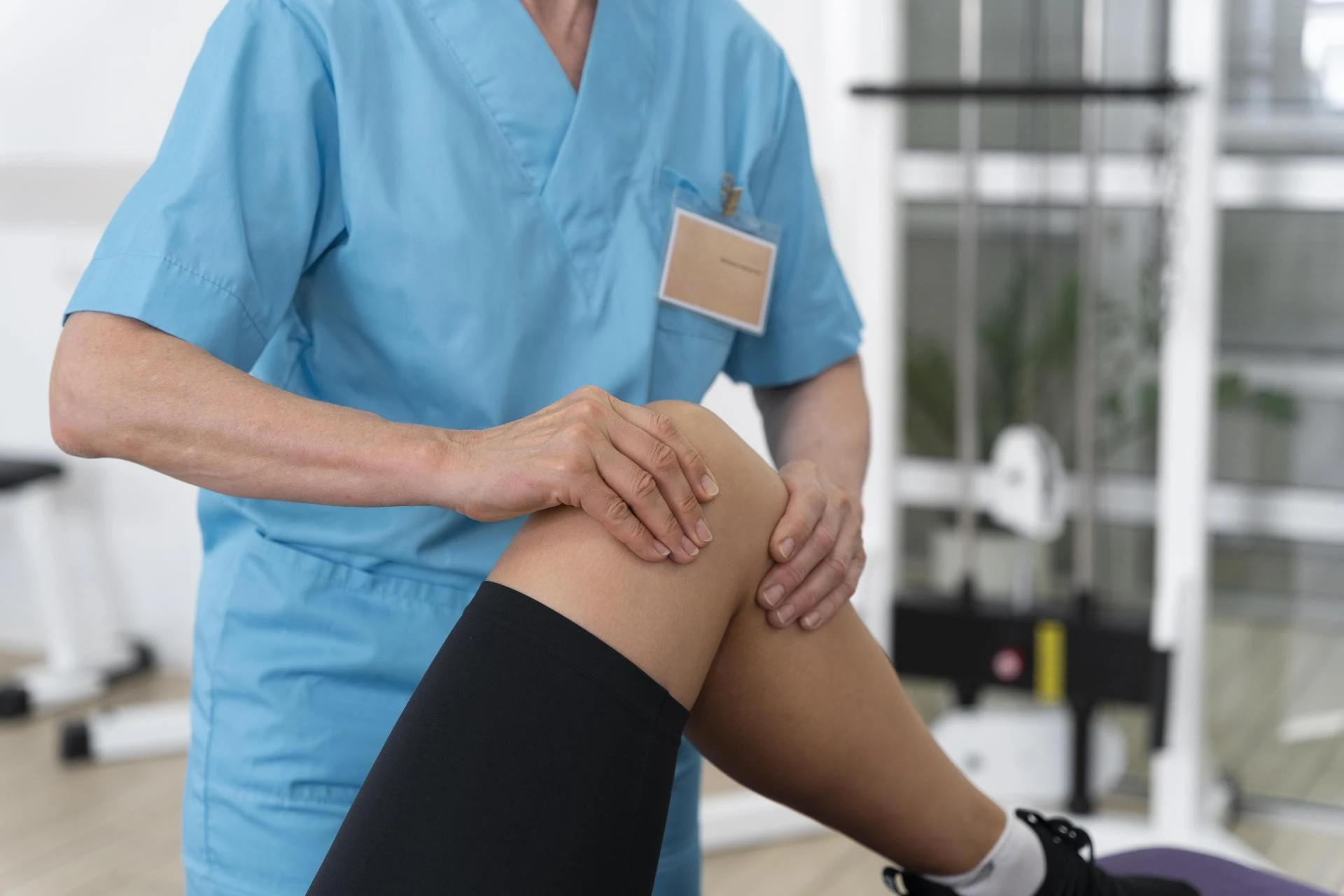
Knee pain can gradually limit mobility, independence, and quality of life, especially when joint damage affects everyday activities. When non-surgical treatments no longer provide relief, surgical solutions are often considered. For patients with damage limited to a specific portion of the knee, partial knee replacement has become a highly effective and patient-friendly option, offering pain relief while preserving natural joint movement.
Understanding Knee Joint Problems
The knee joint consists of three compartments, and in many patients, arthritis or degeneration affects only one of these areas. Treating the entire joint in such cases may be unnecessary. Modern orthopedic care focuses on preserving healthy structures whenever possible, which is why targeted surgical approaches are gaining popularity.
This is where partial knee replacement plays a vital role, allowing surgeons to treat the damaged section while leaving healthy bone, cartilage, and ligaments intact.
What Is Partial Knee Replacement?
Partial knee replacement is a surgical procedure designed to resurface only the affected compartment of the knee joint. Unlike total knee replacement, it avoids unnecessary removal of healthy tissue, resulting in a more natural-feeling knee after surgery.
This approach is particularly beneficial for patients who have maintained good knee stability and range of motion. With proper patient selection, outcomes are highly successful.
Who Is a Suitable Candidate?
Not all patients with knee pain require complete joint replacement. Ideal candidates typically experience pain localized to one side of the knee and maintain strong ligaments and joint alignment.
Orthopedic specialists and partial knee replacement surgeons assess factors such as:
- Location of knee pain
- Extent of cartilage damage
- Knee stability
- Activity level
- Response to conservative treatments
Careful evaluation ensures that the procedure delivers optimal results.
Surgical Procedure Explained
During surgery, damaged cartilage and bone are removed from the affected knee compartment and replaced with a specialized implant designed to replicate natural movement. Because the procedure is limited in scope, surgery time is shorter, and surrounding tissues experience less trauma.
Precision and expertise from experienced partial knee replacement surgeons are essential to ensure correct alignment, stability, and long-term success.
Advanced Partial Knee Replacement Treatment
Advanced Partial Knee Replacement Treatment combines modern surgical techniques, improved implant materials, and, in some cases, robotic assistance to enhance accuracy. These advancements help surgeons achieve better implant positioning and balance.
Key advantages include:
- Smaller incisions
- Reduced post-operative pain
- Lower complication rates
- Faster rehabilitation
Thanks to these innovations, partial knee replacement continues to deliver consistent and reliable outcomes.
Before Surgery: What to Expect
Preparation plays a crucial role in achieving positive outcomes. Before surgery, patients undergo imaging studies, medical evaluations, and physical assessments. Doctors also explain recovery expectations and discuss before and after knee replacement surgery results.
Patients are often advised to improve leg strength, manage weight, and control chronic conditions before surgery to support smoother healing.
Recovery and Rehabilitation
One of the most significant benefits of this procedure is the shorter knee replacement surgery recovery time. Many patients begin standing or walking with support within a day after surgery.
Typical recovery milestones include:
- Discharge within 1–3 days
- Walking independently within 2–3 weeks
- Resuming daily activities in 4–6 weeks
With guided physiotherapy, patients regain strength and flexibility efficiently after partial knee replacement.
Knee Replacement Surgery Before and After Results
The improvement seen in Knee Replacement Surgery Before and After Results is often dramatic. Patients report reduced pain, smoother movement, and improved ability to perform daily activities.
Tasks such as climbing stairs, walking longer distances, and standing comfortably become easier, reinforcing the benefits of choosing a targeted surgical approach.
Success Rate and Longevity
The knee replacement surgery success rate for partial procedures is consistently high when performed on suitable candidates. Studies show success rates exceeding 90%, with implants lasting 15–20 years or more.
Long-term advantages include preserved joint function, lower risk of complications, and easier future revision if required.
Cost Considerations
The knee joint replacement cost depends on factors such as hospital facilities, implant type, surgeon expertise, and rehabilitation services. Compared to total joint replacement, partial procedures often involve lower overall costs due to shorter hospital stays and quicker recovery.
The knee replacement surgery cost in India is especially attractive, offering international-quality care at a fraction of the cost seen in many other countries, making India a preferred destination for orthopedic treatment.
Life After Surgery
Following recovery, patients can return to an active lifestyle that includes walking, swimming, cycling, and other low-impact activities. Maintaining a healthy weight and staying active helps prolong implant life and maintain joint health.
Understanding before and after knee replacement surgery expectations helps patients approach recovery with confidence and realistic goals after partial knee replacement.
Conclusion
For individuals with localized knee damage, partial knee replacement offers a balanced solution that combines pain relief, faster recovery, and preservation of natural joint movement. Supported by Advanced Partial Knee Replacement Treatment, a high knee replacement surgery success rate, and affordable care options such as the knee replacement surgery cost in India, this procedure continues to transform patient outcomes.
When performed by experienced specialists, it restores mobility, confidence, and quality of life—helping patients move forward without persistent knee pain.