



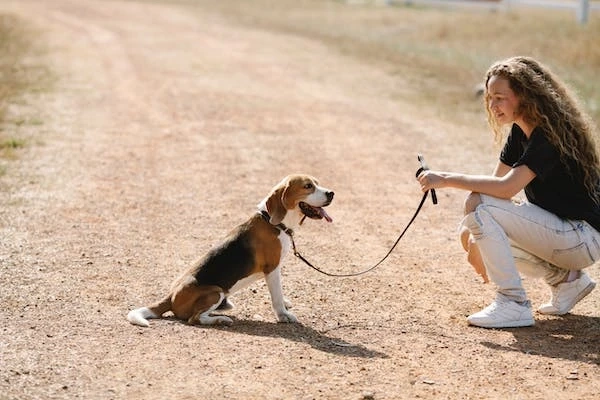
In-home puppy training is essential for raising a well-behaved and obedient dog. While positive reinforcement is a popular method, understanding negative punishment techniques can be equally crucial. In this article, we will explore the concept of negative punishment in dog training and how it can be applied effectively within the realm of in-home puppy training. For More Info
Understanding Negative Punishment
Negative punishment, in the context of dog training, involves the removal of a pleasant stimulus immediately after an unwanted behavior occurs, making the behavior less likely to happen in the future. Unlike positive punishment, which adds an unpleasant stimulus to discourage behavior, negative punishment focuses on taking away something enjoyable to achieve the same effect.
Common Negative Punishment Techniques
Time-Outs: Time-outs involve temporarily isolating the puppy in a designated area away from family members and other pets. By removing the puppy from a pleasant social environment, they learn that misbehavior leads to social isolation.
Ignoring: Ignoring the puppy when it displays undesirable behavior can be an effective negative punishment technique. Dogs crave attention, so withholding it when they misbehave can discourage the behavior over time.
Toy Removal: If a puppy is exhibiting unwanted behavior during playtime, removing the toy they are playing with can serve as negative punishment. This helps the puppy associate the undesirable behavior with the loss of their plaything.
Food Removal: Withholding treats or meals immediately after undesirable behavior is another way to implement negative punishment. Dogs quickly learn that their actions directly impact their access to food rewards.
Applying Negative Punishment in In-Home Puppy Training
Consistency is Key: It’s crucial to be consistent in applying negative punishment. Inconsistency can confuse the puppy, making it difficult for them to understand which behaviors are unacceptable.
Timing Matters: Negative punishment should be applied immediately after the unwanted behavior occurs. Dogs have a short attention span, so the connection between the behavior and the consequence needs to be clear and immediate.
Combine with Positive Reinforcement: While negative punishment is essential, combining it with positive reinforcement for desirable behaviors creates a well-rounded training approach. Praise and treats should be given when the puppy behaves appropriately to reinforce positive actions.
Patience and Understanding: Every puppy is different, and some may take longer to respond to negative punishment techniques. Patience, consistency, and understanding the puppy’s individual personality are vital for successful in-home training.
Conclusion
Incorporating negative punishment techniques in in-home puppy training can be a valuable tool for teaching your furry friend proper behavior. By understanding the principles behind negative punishment and applying these techniques consistently and patiently, you can help your puppy grow into a well-mannered and obedient adult dog training. Remember to combine negative punishment with positive reinforcement to create a balanced and effective training approach, ensuring a happy and harmonious relationship between you and your canine companion.