



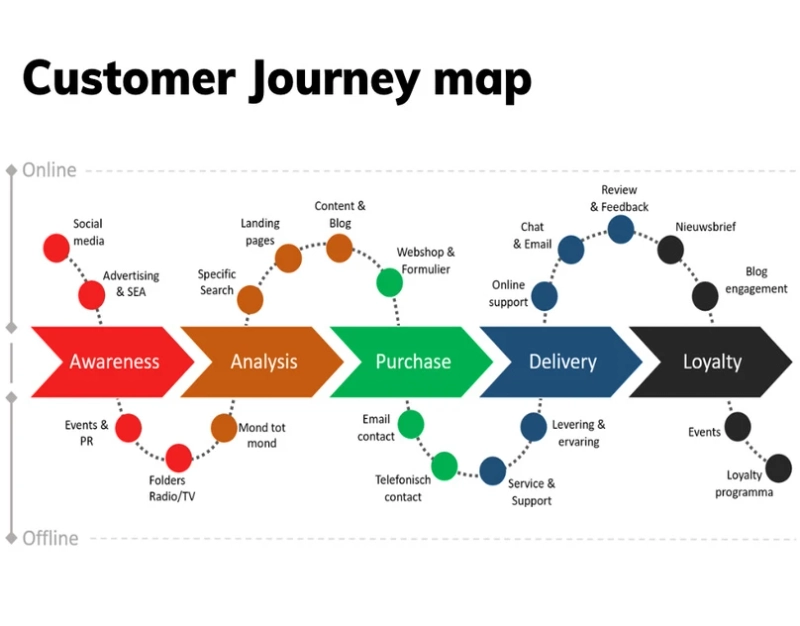
Understanding your customers is the key to building strong relationships and improving business performance. Customer journey mapping helps brands visualize how people interact with them from the first moment of discovery to becoming loyal customers. By identifying customer needs, emotions, and touchpoints, a customer journey map makes the entire customer experience smoother and more rewarding.
What Is a Customer Journey Map?
A customer journey map is a visual outline that shows every step a customer takes when interacting with your brand. It highlights feelings, goals, expectations, and challenges across different touchpoints.
This map helps businesses understand how customers think and behave so that every experience feels personalized and seamless. When done well, customer journey mapping reveals opportunities for improvement and supports customer satisfaction at every stage.
Read More: AI in SEO: The Future of Digital Marketing in 2025
What Should a Customer Journey Map Include?
A strong customer journey map includes all essential elements that influence the customer experience:
- Customer Personas: Profiles of your ideal customers — including needs, motivations, and behaviors. Personas help tailor messaging and journey improvements effectively.
- Journey Stages: Common stages include Awareness → Consideration → Purchase → Retention → Advocacy. These show where customers are in their decision-making process.
- Customer Touch-points: Any interaction customers have with your brand — such as websites, social media, emails, and customer service. Optimizing touchpoints boosts engagement.
- Customer Emotions & Pain Points: Highlighting emotional highs and lows helps identify where customers feel frustrated or delighted.
- Feedback & Data Insights: Real customer feedback confirms what’s working and what needs refinement.
Benefits of a Customer Journey Map
Using a customer journey map gives companies a competitive advantage. Key benefits include:
- Improves Customer Experience: A clear overview of the journey helps remove roadblocks and improve user satisfaction at every step.
- Stronger Customer Loyalty: When customers feel understood, they are more likely to stay engaged and trust your brand long-term.
- Supports Better Decision-Making: Teams use data and insights from journey mapping to prioritize impactful improvements.
- Boosts Conversions & Revenue: Reducing friction leads to more successful sales and repeat business.
- Increases Team Collaboration: Everyone from marketing to support works together with a clear customer-focused strategy.
How to Create a Customer Journey Map
Here’s a simple beginner-friendly approach to customer journey mapping:
1️⃣ Set Clear Goals
Define the purpose of your map — for example, improving onboarding or increasing sales conversions.
2️⃣ Identify Your Target Personas
- Know who your customers are: Create persona profiles based on demographics, behaviors, and motivations.
3️⃣ List Customer Touchpoints
- Map every interaction: From a website click to a phone call, each touchpoint shapes the journey experience.
4️⃣ Outline Journey Stages
- Visualize customer progress: Track how customers discover, compare, buy, and continue engaging with your brand.
5️⃣ Gather Feedback and Data
- Analyze real behavior and emotional responses: Surveys, interviews, and analytics provide insight into what customers actually experience.
6️⃣ Identify Pain Points and Opportunities
- Solve what slows customers down: Address frustrations and improve moments that matter most.
7️⃣ Update the Map Regularly
- Keep the journey fresh: Customers evolve — your customer journey map should too.
Optimizing Your Customer Journey Map
Once you build your map, the real value comes from ongoing optimization. Consider:
Automation and Personalization
Use technology to deliver tailored messages at the perfect time.
Continuous Improvement Workshops
Cross-team collaboration ensures problems are spotted early.
Customer-Centered KPIs
Track metrics like satisfaction scores, retention rates, and conversion improvements.
Consistent refinement keeps your customer journey mapping strategy aligned with changing customer needs.
Read Also: Why Content Is Important For SEO
Customer Journey Map Resources
To help you take the next step, here are commonly used tools and support options:
- Journey Mapping Templates: Ready-made layouts simplify planning and organizing customer insights.
- Analytics Platforms: Data tools measure customer behavior and support smarter decisions.
- Feedback & Survey Tools: Customer opinions guide the most effective experience improvements.
- Professional Training & Guides: Learning resources ensure your mapping process remains accurate and up-to-date.
Final Thoughts
A customer journey map is one of the most powerful tools to understand and elevate the customer experience. It allows your business to step into your customers’ shoes and deliver meaningful improvements at every touchpoint. For beginners, starting small and refining over time leads to a truly customer-focused approach — and ultimately, lasting success.