



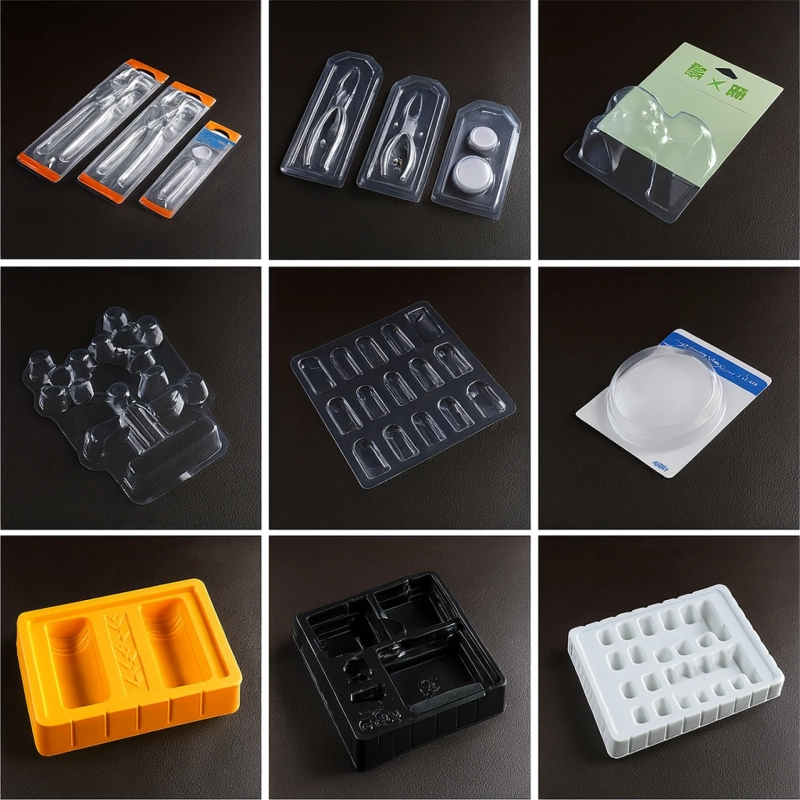
Blister pack packaging is widely used for small consumer goods, electronics, and pharmaceuticals because it protects products from damage while keeping them visible to customers.
For manufacturers, this packaging design offers a secure, tamper-evident enclosure that helps maintain product integrity and extends shelf life.
What Is Blister Pack Packaging?
Blister pack packaging is a form of pre-formed plastic packaging that uses a thermoformed cavity—also called a “blister”—to encase and display products. This cavity is typically sealed to a backing material made of paperboard, plastic film, or aluminum foil.
The clear front allows for product visibility, while the sealed design protects the contents from contamination, damage, and tampering. Commonly used across retail, pharmaceutical, and electronics industries, blister packs are a popular choice for manufacturers who need cost-effective packaging with strong visual presentation and unit-level protection.
Types of Blister Pack Packaging
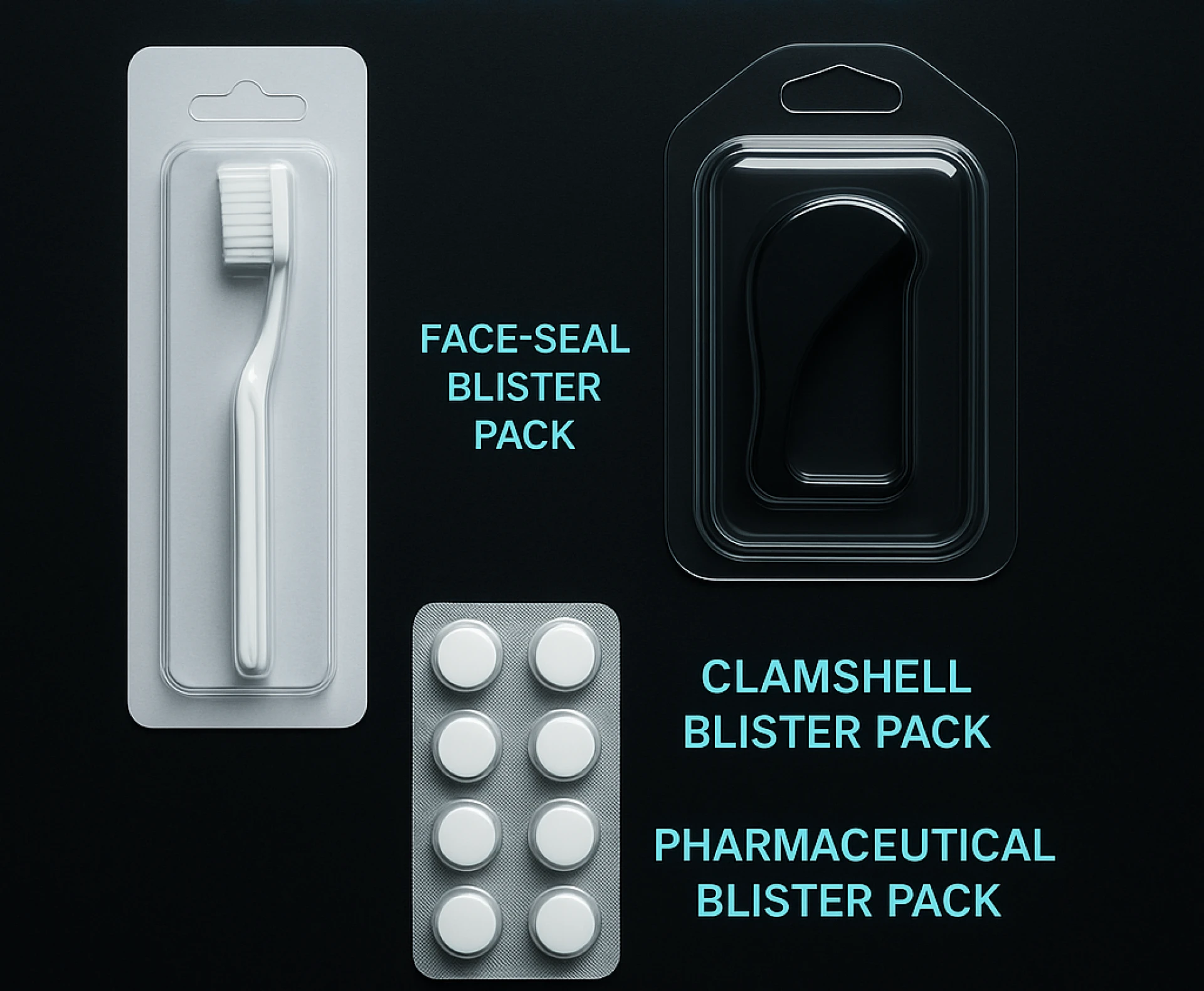
Blister packs come in several formats, each suited to different products and needs. Common types include:
1. Face-Seal Blister Pack
A clear plastic “blister” is sealed onto a paperboard backing or card. This is often used for lightweight retail items like toothbrushes, batteries, or toys.
2. Clamshell Blister Pack:
A two-piece plastic shell hinged at one side, which folds onto itself. Clamshells enclose the product completely. They are commonly used for electronics and other products where reclosability or extra protection is needed.
3. Pharmaceutical Blister Pack:
Pharmaceutical blister packs are specialized packs for medicines (tablets or capsules). Typically, multiple pill cavities are formed in plastic or aluminum and sealed with a push-through foil backing. Each dose is individually protected from moisture and contamination. This format provides convenient unit-dose dispensing.
Benefits of Blister Pack Packaging
Blister packaging is popular in manufacturing because of its many advantages. Key benefits include:
1. Product Protection
The sealed plastic cavity shields items from external contaminants like moisture, dust, and oxygen, helping preserve product integrity and shelf life. For pharmaceuticals, individual compartments ensure that each unit stays uncontaminated and undamaged throughout its use.
2. Tamper Evidence and Safety
Blister packs are typically sealed in a way that makes it obvious if tampering has occurred. This adds a layer of safety for consumers and is especially critical for products like medication or food, where integrity is essential.
3. Visibility and Marketing
The transparent plastic allows consumers to view the product directly before purchase, enhancing trust and engagement. The printed backing card also provides space for branding, graphics, instructions, and legal information, essentially serving as a built-in marketing platform.
4. Cost-Effectiveness
Blister packaging generally requires less raw material than boxed packaging and is compatible with automated filling and sealing machines, reducing labor costs. Its lightweight and stackable design also lowers shipping and warehousing expenses, making it a smart choice for mass production.
Source: https://www.forstek.si/novica/blister-pack-design-process/
Blister Pack Design Considerations
Designing an effective blister pack involves balancing functionality, safety, and aesthetics to meet consumer and compliance needs.
1. User Convenience
A user-friendly blister pack should be intuitive and easy to open. Features like perforations, tear notches, or peelable foil lids can improve the unboxing experience, especially for products intended for everyday or on-the-go use. Clear labeling further supports a smooth user interaction.
2. Safety (Child-Resistant vs. Senior-Friendly)
For certain products—especially pharmaceuticals—packaging must be both child-resistant and senior-accessible. This requires thoughtful engineering, such as locking mechanisms that are too complex for children but still manageable for adults, or the inclusion of “push-and-peel” systems.
3. Branding and Presentation
The backing card serves as valuable real estate for packaging design. It can be printed with vivid colors, logos, product details, safety warnings, and QR codes. Coupled with the see-through front, a well-designed blister pack can enhance shelf appeal and reinforce brand identity, setting your product apart in retail environments.
Trends in Blister Pack Packaging
Sustainability-Driven Materials:
- Manufacturers are increasingly using recyclable plastics and mono-material blister components.
- These changes help meet eco-friendly standards without sacrificing product protection.
Smart Packaging Features:
- Integration of printed QR codes, anti-counterfeit labels, and tamper-evident seals.
- These features enhance traceability, improve product security, and boost consumer engagement.
Regulatory and Compliance Considerations
Industry-Specific Regulations:
- Blister packaging in pharmaceuticals, medical devices, and food must comply with strict global standards.
- Key standards include FDA, USP, and EU guidelines for material safety, barrier integrity, and labeling.
Risks of Non-Compliance:
- Non-compliance can lead to product recalls, legal penalties, or supply chain disruptions.
- Manufacturers should work with experienced packaging partners who understand regulatory requirements and design validation.
Manufacturing Process Overview
Blister pack packaging is produced through a high-speed, automated process designed for efficiency and precision.
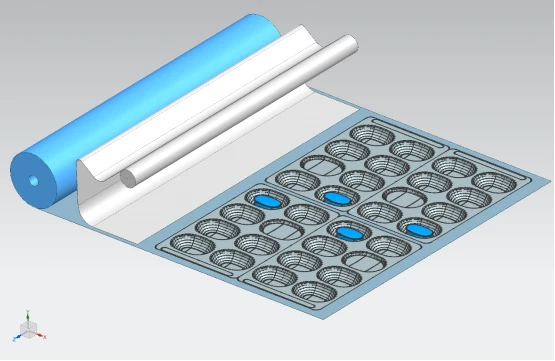
1. Thermoforming Process
In thermoforming, plastic sheets—typically PVC, PET, or RPET—are heated until pliable, then molded into custom-shaped cavities that securely hold individual products. This method is widely used for retail and consumer goods due to its speed and flexibility.
2. Product Placement and Sealing
Once formed, products are automatically inserted into the cavities. A backing material, such as printed cardboard or foil, is then sealed to the blister using heat and pressure. This creates a secure, tamper-evident enclosure around each unit.
3. Cold Forming for High-Barrier Needs
For moisture-sensitive products like pharmaceuticals, a cold forming process may be used. In this method, an aluminum-based laminate is pressed—rather than heated—into shape. This forms an opaque, high-barrier blister that protects contents from light, air, and moisture.
4. Automated Quality Control
Modern blister packaging machines handle cavity forming, filling, sealing, and inspection in a single line. Advanced systems often include vision inspection technology to verify seal integrity and detect any defects in real time, reducing the risk of quality issues during distribution.
Challenges and Considerations in Blister Packaging
While blister packs offer many benefits, manufacturers should evaluate potential limitations to ensure packaging success.
1. Environmental Impact
Traditional blister packs commonly use non-biodegradable materials like PVC and aluminum foil, contributing to plastic waste. As environmental concerns grow, manufacturers are shifting toward recyclable plastics, bio-based materials, and paper-based blisters.
Balancing product protection with sustainability is becoming a key part of modern packaging design.
2. Cost vs. Quality Trade-offs
Blister packaging requires specialized machinery and high-quality materials to ensure product safety, shelf appeal, and compliance. While upfront costs for equipment and barrier-grade materials can be high, compromising on quality may lead to packaging failures, recalls, or customer dissatisfaction.
Manufacturers must carefully weigh cost-saving efforts against long-term performance and brand reputation.
Why Blister Pack Packaging Remains a Smart Choice for Manufacturers
In today’s competitive landscape, blister pack packaging offers manufacturers a rare balance of durability, visibility, and cost-efficiency. Whether used for pharmaceuticals, electronics, hardware, or consumer products, its ability to protect items while showcasing them makes it a preferred choice across industries.
When aligned with smart blister pack design and sustainable packaging design principles, blister packaging doesn’t just preserve what’s inside; it enhances the customer experience from distribution to display. It serves as both a safeguard and a silent salesperson on the shelf.
Ultimately, investing in well-executed blister packaging is more than a logistical decision; it’s a brand-forward strategy. By combining safety, compliance, visual appeal, and sustainability, manufacturers can position their products for greater impact and long-term success.