



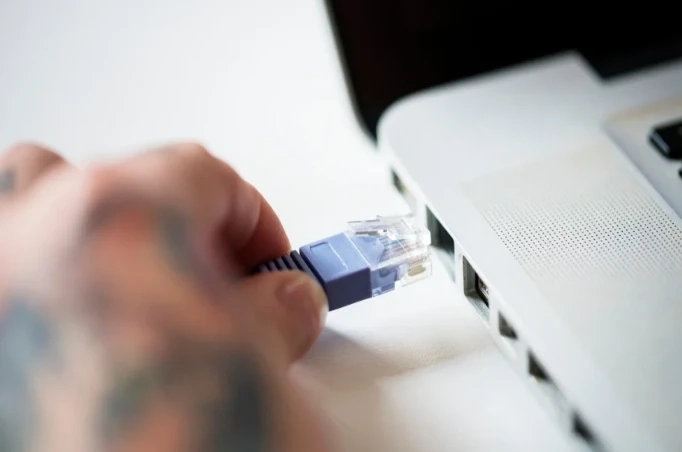
Understanding what is an RJ45 connector is essential for anyone working with computer networks, Ethernet cables, or modern communication systems. From home internet connections to enterprise-level data centers, the RJ45 connector plays a critical role in ensuring reliable data transmission. This guide explains what an RJ45 connector is, how it works, how to crimp one properly, and why it remains a standard in Ethernet networking.
What Is an RJ45 Connector?
An RJ45 connector is an eight-pin modular connector commonly used with Ethernet cables for local area networking (LAN). The term “RJ” stands for “Registered Jack,” and RJ45 specifically refers to an eight-position, eight-contact (8P8C) connector.
When people ask what is an RJ45 connector, they are usually referring to the plastic plug attached to the end of Ethernet cables such as Cat5e, Cat6, Cat6a, and Cat7. It allows devices like computers, routers, switches, and servers to communicate over a wired network.
How Does an RJ45 Connector Work?
The RJ45 connector works by aligning eight copper wires from an Ethernet cable into eight metal contacts. These contacts establish electrical connections when the plug is inserted into a network port.
Each pair of wires carries data signals using twisted-pair technology, which helps reduce electromagnetic interference. Data is transmitted using standardized wiring configurations such as T568A or T568B, ensuring compatibility across devices.
In short, knowing what is an RJ45 connector also means understanding that it enables high-speed, stable, and low-latency data transfer.
RJ45 Connector Pinout and Wiring Standards
An RJ45 connector uses eight pins arranged in a specific order. The two most common wiring standards are:
T568A Standard
Often used in residential installations and some government networks.
T568B Standard
The most widely used standard for commercial Ethernet networks.
Both standards perform the same function but differ in wire color placement. Consistency on both ends of the cable is critical to proper network operation.
Types of RJ45 Connectors
There are several variations of RJ45 connectors, each designed for specific applications:
· Standard RJ45 Connector: Used for solid or stranded Ethernet cables
· Shielded RJ45 (STP): Provides protection against electromagnetic interference
· Pass-Through RJ45 Connector: Allows wires to pass through the connector for easier crimping
· Industrial RJ45 Connector: Designed for harsh environments
Choosing the right type ensures optimal network performance.
How to Crimp an RJ45 Connector
Understanding what is an RJ45 connector also includes learning how to install one correctly.
Tools Required:
· RJ45 connectors
· Ethernet cable
· Wire stripper
· RJ45 crimping tool
Step-by-Step Crimping Process:
1. Strip about one inch of the cable jacket
2. Untwist and straighten the wire pairs
3. Arrange wires according to T568A or T568B
4. Trim wires evenly
5. Insert wires into the RJ45 connector
6. Use the crimping tool to secure the connector
7. Test the cable using a network tester
Proper crimping ensures reliable signal transmission and prevents network failures.
Why Is an RJ45 Connector Essential for Networking?
The RJ45 connector remains the standard for Ethernet networking due to several advantages:
· Supports high-speed data transmission
· Easy to install and replace
· Compatible with most networking devices
· Cost-effective and widely available
· Reliable physical connection
Even with the rise of wireless technology, wired Ethernet using RJ45 connectors offers superior stability and security.
Common RJ45 Connector Problems and Tips
Despite its simplicity, RJ45 connectors can fail if not installed properly. Common issues include:
· Incorrect wire order
· Poor crimping
· Bent or damaged pins
· Using the wrong connector type
Tips for best results:
· Always follow one wiring standard consistently
· Use high-quality connectors and tools
· Test cables after crimping
· Avoid excessive bending of Ethernet cables
These practices ensure long-term network reliability.
Final Thoughts
So, what is an RJ45 connector? It is the foundation of modern Ethernet networking, enabling fast, stable, and secure data transmission across countless devices and systems. Whether you are setting up a home network, managing enterprise infrastructure, or learning networking basics, understanding RJ45 connectors is essential.
With proper wiring, correct crimping techniques, and quality components, RJ45 connectors continue to deliver dependable network performance. For more technical guides and networking insights, visit Bettlink’s resource center.