


Running a successful business on Amazon is all about making the right choices for your operations, logistics and growth. Sellers often hear about FBA (Fulfillment by Amazon) as the most common path, but there is another powerful model that gives sellers more control, FBM (Fulfillment by Merchant). But what exactly does FBM mean and how can it impact your business strategy?
In this detailed guide, we will break down everything you need to know about Amazon FBM, how it works, its pros and cons and whether it’s the right fit for your eCommerce journey.
Understanding Amazon FBM: The Basics
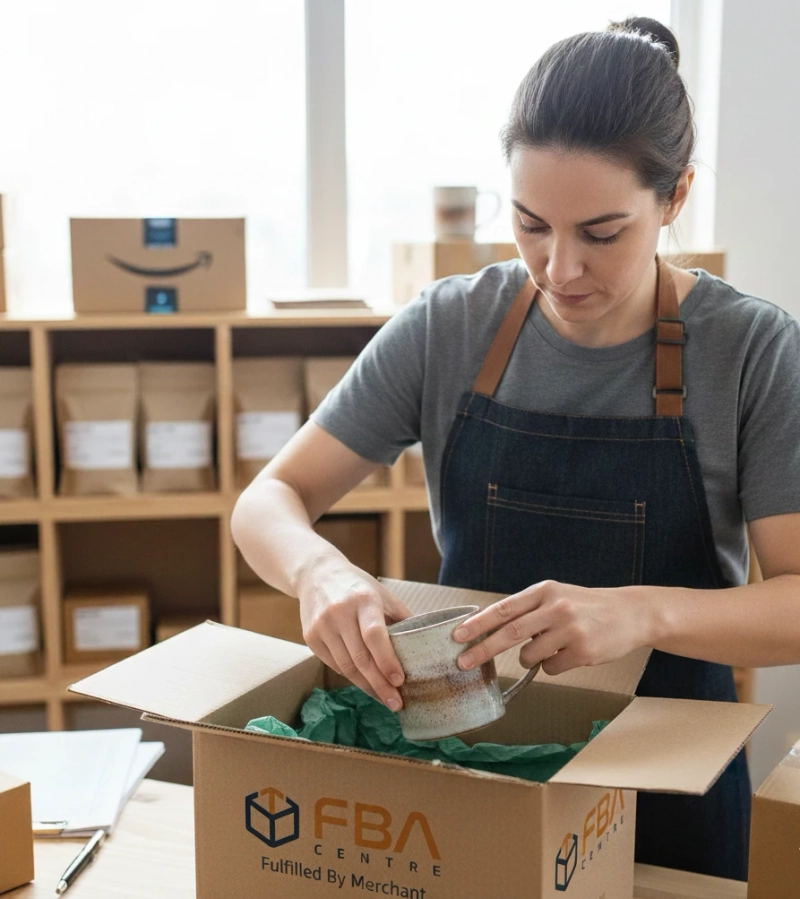
Amazon FBM, short for Fulfillment by Merchant, is a business model where the seller takes responsibility for storing, packing and shipping products directly to the customer. Unlike FBA, where Amazon handles storage and logistics, FBM sellers maintain complete control over their inventory and fulfillment process.
This approach is particularly appealing for entrepreneurs who want flexibility, own their warehousing setup or sell items that may not be cost-effective to send through FBA. It is essentially about owning the customer experience from order to delivery.
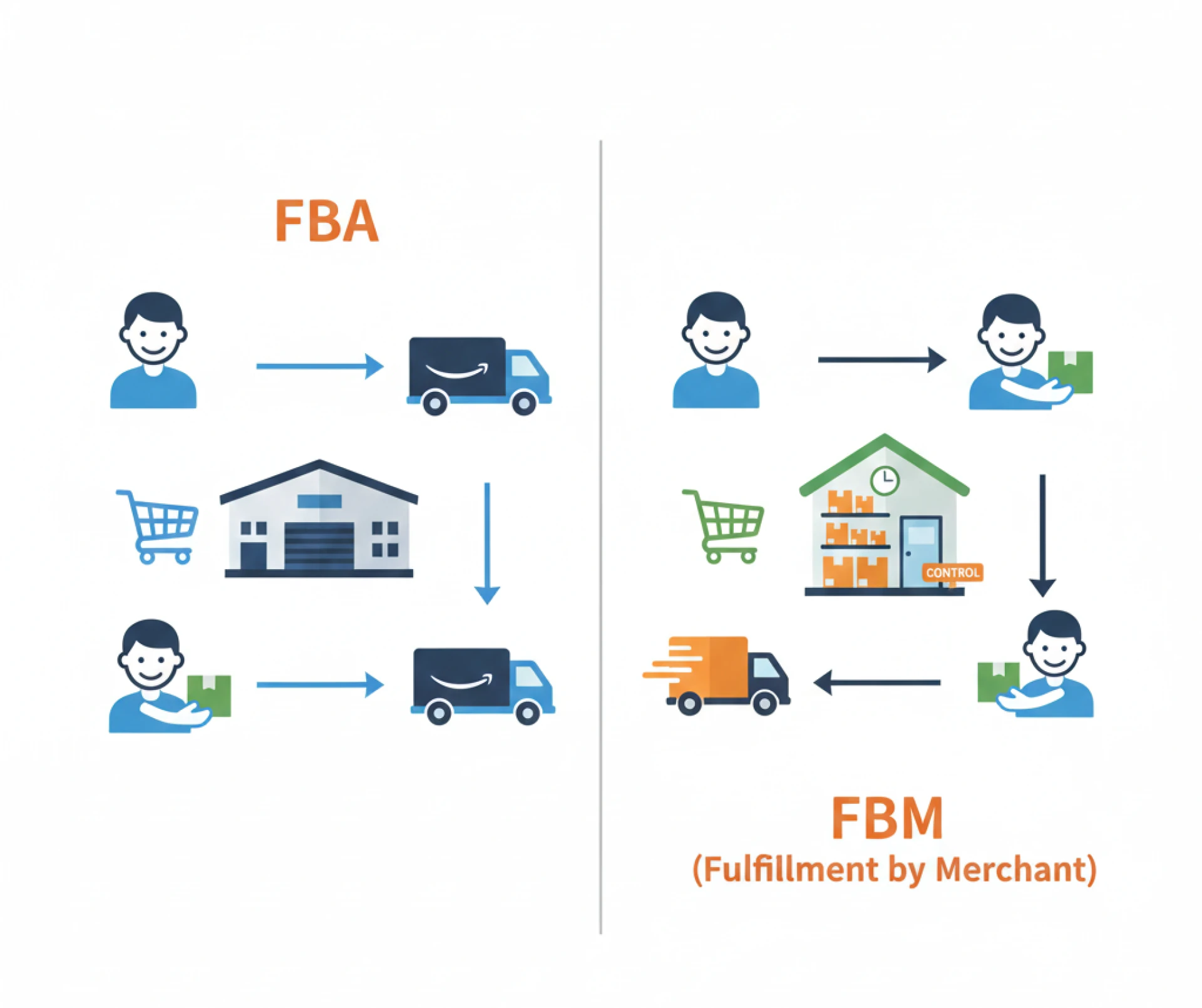
For example, if you run a small business with a local warehouse or even operate from home, FBM allows you to manage operations without paying hefty storage and fulfillment fees to Amazon. Instead, you only pay referral fees for using Amazon’s marketplace.
In short, Amazon FBM is about control, cost-efficiency and independence. It shifts the power back into the seller’s hands.
How Does Amazon FBM Work?
When a customer places an order through Amazon, the process looks slightly different depending on whether you use FBA or FBM. In FBM, you, the seller, are responsible for every step after the order is confirmed.
- Customer places an order on Amazon.
- You receive a notification in your Seller Central dashboard.
- You pick, pack and ship the product from your own warehouse or storage location.
- You update the tracking details for the customer to see.
- You handle customer service, returns or complaints directly.
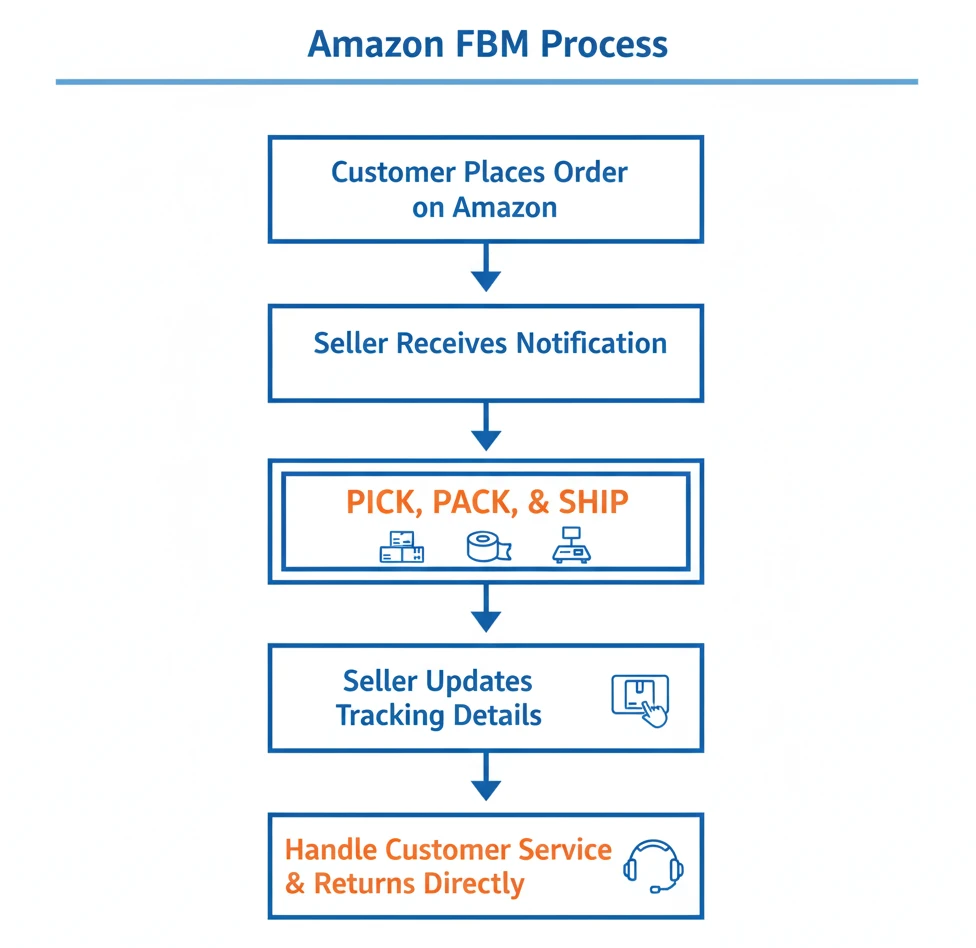
Unlike FBA, Amazon will not intervene in your fulfillment operations. However, you must meet Amazon’s strict performance metrics, such as on-time shipping, order defect rate and valid tracking rate. Falling behind can impact your seller rating and visibility.
So while FBM gives more freedom, it also comes with responsibility. Sellers who thrive with FBM usually have strong operational systems and a reliable shipping setup in place.
Why Sellers Choose Amazon FBM
Many sellers wonder why they should bother with FBM when FBA seems to be the easier option. The truth is, FBM has unique advantages that can make a huge difference, depending on your business model.
Lower Costs for Some Products
For products with low profit margins or oversized dimensions, FBA fees can eat into earnings. FBM allows you to control costs by using your own shipping solutions, often making bulky or heavy products more profitable.
Full Control Over Branding and Packaging
FBM gives you the freedom to personalize your packaging, include inserts and create a brand experience that FBA doesn’t allow. This is especially useful if you want to build long-term customer loyalty.
No Storage Limitations
During peak seasons like Q4, Amazon places storage restrictions on FBA sellers. With FBM, you can avoid those limitations since you are using your own storage facilities.
Direct Customer Relationships
FBM lets you handle customer inquiries directly, which means you can build stronger relationships and respond with a personal touch, something FBA removes from the equation.
In short, FBM is not just about cost savings; it is about flexibility, control and branding opportunities.
The Challenges of Selling with Amazon FBM
While FBM has its perks, it also presents challenges that sellers must consider carefully.
Increased Responsibility
Sellers are responsible for the entire fulfillment process. This means managing inventory, handling returns and ensuring timely delivery, all of which require time, effort and resources.
Meeting Amazon’s Metrics
Amazon is strict about order performance. Late deliveries or poor customer service can hurt your account health and even lead to suspension. With FBM, the pressure to perform falls squarely on you.
Limited Prime Access
Most FBM sellers can’t automatically offer Amazon Prime shipping. Since Prime customers are a huge share of Amazon’s buyers, missing out on this audience can reduce visibility and sales potential.
Logistics Management
Running your own logistics means dealing with carriers, tracking systems and potential delivery delays. Without strong infrastructure, sellers risk damaging their reputation.
The key is to weigh these challenges against the advantages and assess whether your operations can handle FBM successfully.
FBM vs FBA: Which One is Right for You?
The debate between FBA vs FBM is one that nearly every Amazon seller faces. The right choice depends largely on your business goals, product types and resources.
- Choose FBA if… you want Amazon to handle everything, your products are small and lightweight, and you are looking to scale quickly with access to Prime.
- Choose FBM if… you sell oversized or low-margin products, want complete control over your brand or already have a reliable fulfillment system.
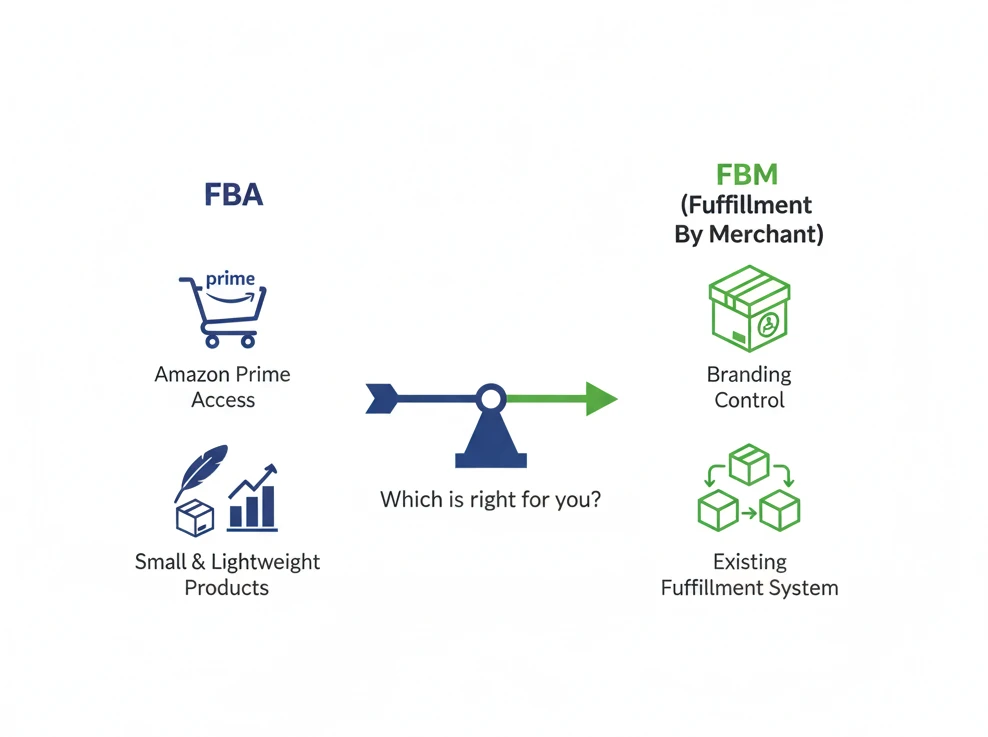
Some sellers even use a hybrid approach, where they sell certain items through FBA and others through FBM. For instance, lightweight accessories may go through FBA, while bulky furniture is handled through FBM.
Ultimately, the decision isn’t about which is “better,” it is about what works for your unique business strategy.
Best Practices for Amazon FBM Success
If you decide to go with FBM, you will need a solid game plan to ensure smooth operations and strong performance.
Here are some best practices:
1. Invest in Reliable Shipping Solutions
Work with trusted carriers and always provide tracking details. Amazon expects valid tracking for nearly every order and customers demand transparency.
2. Keep Inventory Organized
Use inventory management systems to avoid stockouts or overselling. Amazon penalizes sellers who frequently cancel orders due to a lack of inventory.
3. Prioritize Customer Service
Respond to inquiries quickly, handle complaints professionally and make returns hassle-free. Excellent customer service boosts reviews and seller ratings.
4. Monitor Metrics Closely
Track your order defect rate (ODR), late shipment rate and cancellation rate. Keeping these in check is critical for maintaining good account health.
5. Build a Brand Experience
Since FBM gives you control over packaging, use it to your advantage. Include branded inserts, thank-you notes or discount codes to encourage repeat customers.
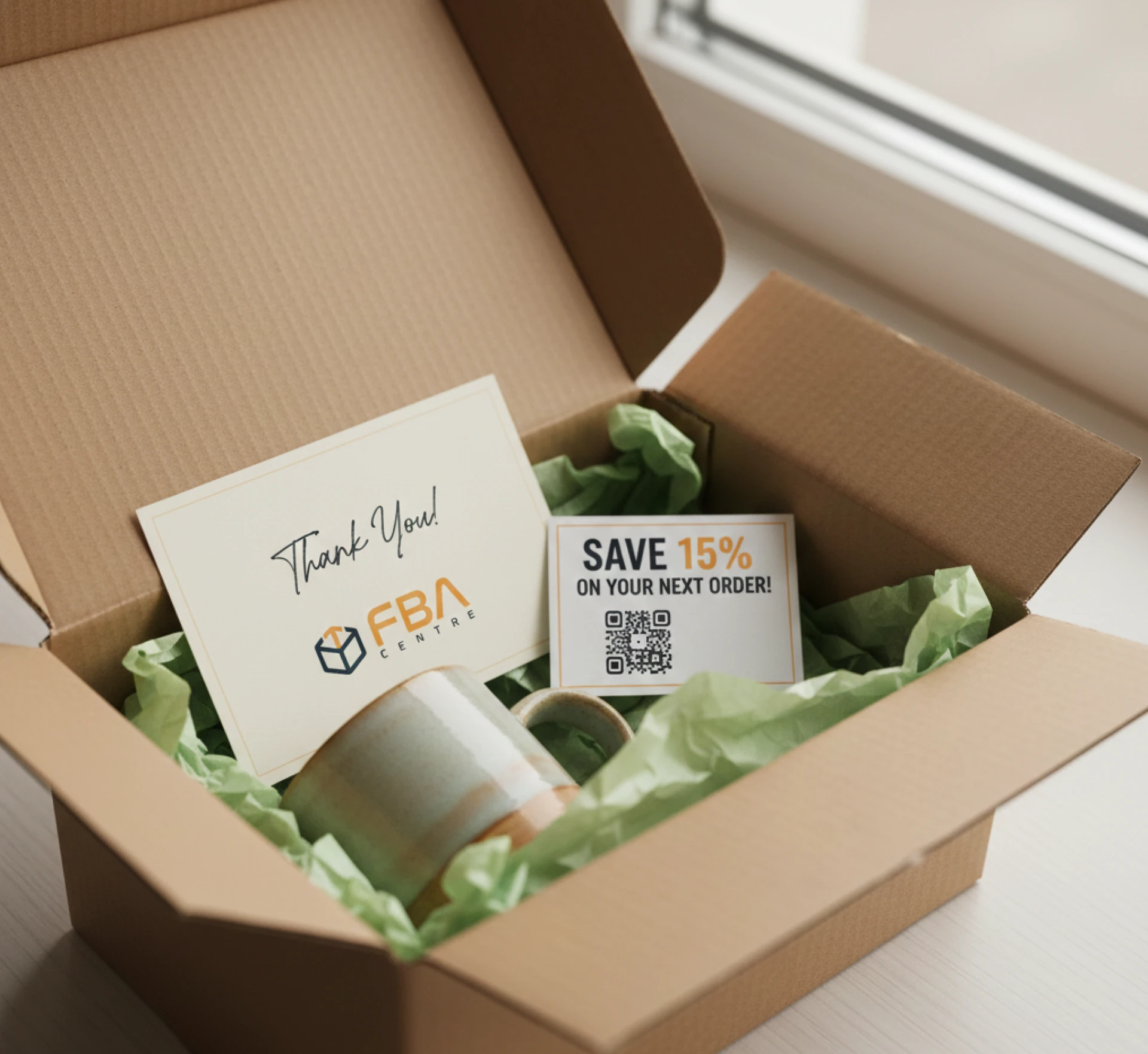
Following these steps not only helps you meet Amazon’s standards but also positions your business for long-term success.
Is Amazon FBM Worth It?
So, is FBM worth it? The answer is: it depends on your business model.
For sellers with strong logistics, cost-sensitive products or a desire to control branding, FBM can be a profitable and sustainable choice. It allows you to differentiate yourself, manage expenses better and maintain independence from Amazon’s fulfillment rules.
However, for those who want hands-off operations, guaranteed Prime access and scalability, FBA may still be the smarter route.
At the end of the day, Amazon FBM is not a one-size-fits-all solution. But for the right seller, it can be a game-changing strategy.
Final Thoughts
Amazon FBM is more than just a fulfillment option; it is a strategic business decision. It gives sellers freedom, cost control and branding opportunities, but it also requires careful planning and operational discipline.
At FBA Centre, we help sellers navigate these decisions with expert guidance, resources and strategies tailored to their goals. Whether you are considering FBM, FBA or a hybrid approach, having the right support can make all the difference.
Ready to discover whether FBM is right for you? Contact FBA Centre today and get expert advice on scaling your Amazon business the smart way.