


What Is a Gable Roof? Definition, Benefits, and Popular Design Types
Years ago, during one of my early roofing projects, a homeowner pointed at the triangular shape above her porch and asked, “So… what is a gable roof exactly? Is it just there for looks?”
It reminded me how many people live under gable roofs without knowing what makes them so dependable — or why this roof shape has dominated residential building for centuries.
If you’ve ever wondered what is a gable roof, what is a gable roof shape, or even what is a gable roof on a house, this guide breaks everything down using real construction insights from years on the job.
What Is a Gable Roof? (Straightforward Definition)
A gable roof is a roof with two sloping sides that meet at a ridge, forming a triangular wall section at each end.
That triangular portion is the gable, and it’s the defining feature of this classic roof type.
If you’ve ever drawn a simple house as a kid — square base, triangle on top — then you’ve already sketched a basic gable roof shape.
This design is used because it’s strong, cost-efficient, and flexible enough to suit everything from traditional cottages to ultra-modern homes.
What Does a Gable Roof Look Like?
Homeowners often ask me “what is a gable roof look like compared to others?”
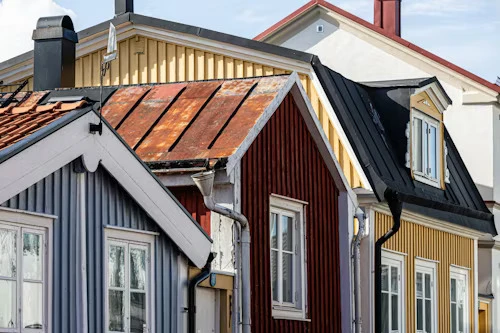
Visually, it’s clean and symmetrical, with two slopes forming a peak and a triangular gable at each end.
In person, a gable roof often gives a home more height and more personality.
I’ve worked on gable-front homes where the gable itself acted as a focal point, decorated with vent details, metal accents, or small windows.
If you browse architectural magazines, you’ll notice how frequently gable roof designs appear, especially in modern farmhouse, craftsman, and Scandinavian homes.
What Is a Gable Roof on a House?
When someone asks what is a gable roof on a house, I describe it as the most common residential roof style in North America.
It fits well with almost every house plan because:
- It drains rainwater and snow efficiently.
- It allows for attic or loft space.
- It ventilates easily with ridge vents, gable vents, or soffit vents.
- It’s economical to build.
Many homeowners don’t realize their home even has a gabled roof because designers often blend gables with dormers, porches, and mixed rooflines.
But the structural concept remains the same: two slopes, one ridge, two gables.
What Is a Gable Roof Design? (From a Builder's Perspective)
From my hands-on experience, what is a gable roof design really comes down to simplicity and structural integrity.
Builders love it because the framing is straightforward — ridge board, rafters, collar ties, and gable studs.
A few things I always check during new builds or remodels:
- The gable end bracing must withstand high winds.
- Rafters need proper birdsmouth cuts to sit correctly on the wall plate.
- Sheathing thickness has to match the pitch and local code.
- Ventilation must be designed early, not retrofitted later.
A gable roof that looks simple on the outside often requires extremely precise layout work underneath.
What Is a Gable Roof Made Of?
A common question during consultations is “what is a gable roof made of?”
The answer varies depending on climate, budget, and design goals.
Typical gable roof materials include:
- Asphalt shingles — Most common, affordable, and easy to repair.
- Metal roofing — Great for snow, heat, and modern aesthetics.
- Clay or concrete tiles — Heavy but beautiful in warm climates.
- Wood shakes — Rustic charm but higher maintenance.
- Composite shingles — High durability and long warranties.
Structurally, the frame is usually lumber (2x6 or 2x8 rafters), plywood or OSB sheathing, underlayment, and chosen roofing material.
One of my clients switched to a standing-seam metal gable roof after repeated shingle damage, and the difference in performance was immediate — cooler attic temps and zero wind-related issues.
Benefits of a Gable Roof (Based on Real Experience)
After working on hundreds of homes, I can confidently say the gable design remains popular because it simply works.
1. Excellent Water & Snow Shedding
The slope allows rain and snow to slide off efficiently.
In mountain climates, I’ve seen poorly pitched roofs sag under snow loads while steep gable roofs stay clean.
2. Easy Maintenance
Gables are easier to inspect and repair than complex roofs.
Even homeowners can spot missing shingles or gable vent issues from the ground.
3. Affordable Construction
Less lumber, less labor, fewer complicated joints — all of which save money.
4. Natural Ventilation
Attics breathe more freely with gable vents, ridge vents, and soffits working together.
5. Flexible Design
You can modify a gable roof into front-gabled, side-gabled, cross-gabled, or even add dormers for extra style.
Gable Roof vs Hip Roof: What’s the Difference?
People often ask what is a gable roof vs hip roof when deciding between the two.
Here’s the short version I tell clients:
- Gable Roof: Two sloped sides + two flat gables.
- Hip Roof: Four sloped sides + no vertical gable walls.
Gable roofs are cheaper, easier to ventilate, and usually offer more attic space.
Hip roofs are more wind-resistant and great for hurricane-prone areas.
On a windy coastline project I handled, the engineer required a hip roof.
But for a mountain cabin I worked on last year, a steep gable roof was perfect for snow shedding.
Popular Gable Roof Types
When someone asks what is a gable roof type, they’re usually trying to understand how many variations exist.
Here are the ones I see most often in my fieldwork:
1. Front Gable
Faces the street — great for curb appeal.
2. Side Gable
The most traditional form, slopes run parallel to the front facade.
3. Cross Gable
Multiple gables intersect, common for large homes with complex layouts.
4. Dutch Gable
A hybrid with a small gable sitting on top of a hip roof — visually striking and practical.
What Is a Gable Roof Shape in Modern Architecture?
Architects today use the gable roof shape creatively, especially in modern and Scandinavian designs.
They exaggerate the pitch, stretch the gables vertically, or use minimalist overhangs to give the home a sharp, contemporary look.
One architect I collaborated with insisted on a “knife-edge” gable overhang — razor thin, almost floating.
Structurally, it required hidden steel, but the result was stunning.
Is a Gable Roof Right for Your Home?
If you're renovating, building new, or simply trying to understand your home, knowing what is a gable roof helps you make smart decisions about ventilation, materials, durability, and cost.
Choose a gable roof if you want:
- Efficient water shedding
- Clean architectural lines
- Affordable construction
- Easy repairs
- Flexible design options
Avoid it only if you live in an extreme wind zone without proper bracing — otherwise, it’s a reliable, beautiful, and practical roof choice.