



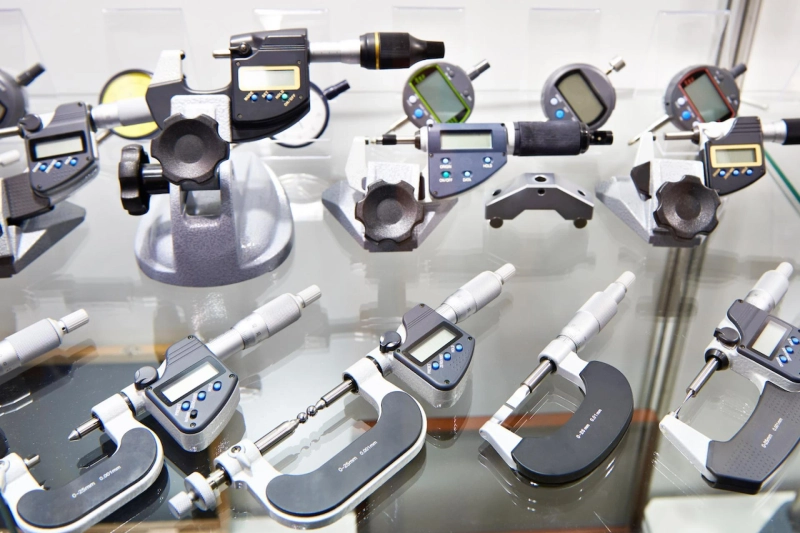
Accurate measurements are the foundation of efficiency, safety, and reliability in many industries. Whether it’s ensuring a pharmaceutical product meets regulatory standards or confirming the precision of manufacturing tools, calibration plays an essential role. Instrument Calibration Services are designed to verify and adjust measuring equipment so that readings remain within specified tolerances. Regular calibration ensures consistent performance, minimizes errors, and maintains compliance with industry regulations. Below is a detailed look at the industries that rely most heavily on these services and why proper calibration is indispensable to their operations.
Understanding Instrument Calibration Services
Instrument calibration involves comparing the readings of a device under test with a standard reference of known accuracy. If any discrepancies are found, adjustments are made to align the instrument with the standard. Calibration is necessary for a wide range of devices, including torque wrenches, pressure gauges, thermometers, weighing scales, and electrical measuring instruments. Through regular calibration, businesses ensure that their instruments maintain accuracy over time and continue to deliver dependable results.
Manufacturing and Industrial Production
Manufacturing is one of the largest users of Instrument Calibration Services. In this sector, precision determines not just product quality but also the safety and efficiency of production. Instruments like micrometers, calipers, pressure transducers, and temperature sensors are used to measure and control manufacturing processes. If these instruments are not calibrated properly, it can lead to defective products, wasted materials, and costly downtime. Manufacturers that produce automotive parts, electronics, and heavy machinery depend on precise calibration to ensure consistent quality. Calibration also supports compliance with ISO 9001 and other international standards that mandate traceable and verified measurement practices. To explore more about professional calibration support, you can Click Here for further details.
Pharmaceutical and Biotechnology
The pharmaceutical and biotech sectors rely heavily on precision to ensure that medicines and medical products meet safety and efficacy requirements. Even minor deviations in temperature, pressure, or volume can affect drug formulation or clinical testing outcomes. For this reason, Instrument Calibration Services are critical to laboratories, research centers, and production facilities. Calibration ensures that analytical balances, pipettes, pH meters, and spectrophotometers perform consistently. Moreover, regulatory agencies such as the FDA and WHO require strict adherence to Good Manufacturing Practice (GMP) standards, which include regular calibration schedules and detailed documentation. To learn more about how calibration supports compliance and research accuracy, visit this website for insights.
Aerospace and Aviation
In aerospace and aviation, safety is non-negotiable, and even the slightest measurement error can have serious consequences. Instruments used in aircraft manufacturing and maintenance—such as torque tools, pressure sensors, and altimeters—must be calibrated regularly. Calibration ensures that these instruments deliver reliable data during both testing and flight operations. Aerospace companies often maintain strict calibration intervals to meet FAA and AS9100 requirements. Inaccurate readings can lead to component failure, flight delays, or safety hazards. To ensure that every measurement meets precise standards, organizations in this sector rely on certified calibration professionals who can perform highly accurate verifications. For more technical knowledge about the calibration process, you can check More Information about aerospace calibration practices.
Oil, Gas, and Energy
The oil, gas, and energy sectors rely on a wide range of measuring instruments for exploration, extraction, refining, and distribution. These instruments monitor critical parameters such as temperature, flow rate, pressure, and chemical composition. Inaccurate readings can result in operational inefficiency, product loss, or safety incidents. Instrument Calibration Services ensure that these measurements remain consistent and within regulatory limits. Calibrated instruments help reduce risks, optimize production efficiency, and maintain compliance with environmental and safety standards such as ISO 17025. Because these sectors often operate in challenging environments, calibration is also vital for maintaining reliability under extreme conditions. To learn more about how calibration supports industrial operations, Get Started with trusted experts in this field.
Healthcare and Medical Devices
In the medical field, accurate measurements are critical for patient safety and effective diagnostics. Hospitals, clinics, and medical device manufacturers use a wide range of equipment, including blood pressure monitors, infusion pumps, imaging systems, and laboratory analyzers. Regular calibration of these instruments ensures accurate readings that influence patient diagnosis and treatment outcomes. Instrument Calibration Services help maintain compliance with healthcare regulations such as ISO 13485 and ensure that all devices function according to manufacturer specifications. A small calibration error in a medical device could lead to misdiagnosis or improper treatment, underscoring the importance of rigorous calibration routines. To learn how healthcare institutions benefit from precision calibration, Go to the Website of reputable service providers for more details.
Food and Beverage Processing
In the food and beverage industry, maintaining quality and safety is crucial. Companies must adhere to strict hygiene and temperature control standards to ensure their products are safe for consumption. Temperature probes, weighing scales, flow meters, and pressure gauges are among the many tools that require regular calibration. Proper calibration ensures accurate measurement of ingredients and processing conditions, supporting consistent product quality and regulatory compliance with standards such as HACCP and ISO 22000. For this industry, even a small measurement variation can affect taste, texture, and safety. With routine calibration, producers can avoid costly recalls and maintain customer trust. To learn how calibration can improve process control and efficiency, More Information is available through specialized calibration professionals.
Research and Laboratory Environments
Research institutions and testing laboratories depend on Instrument Calibration Services to guarantee accurate and repeatable results. In analytical chemistry, physics, environmental testing, and materials science, even minor measurement deviations can lead to inaccurate conclusions. Instruments such as spectrometers, balances, and temperature controllers must be regularly calibrated to maintain credibility and traceability. Many laboratories operate under ISO/IEC 17025 accreditation, which requires that all instruments used in testing be properly calibrated against traceable standards. Calibration not only ensures data integrity but also enhances confidence in experimental findings. For laboratories seeking to maintain high measurement accuracy, expert calibration partners are indispensable.
Electronics and Telecommunications
The electronics and telecommunications industries rely on precision instruments to measure voltage, current, frequency, and signal strength. Calibration of oscilloscopes, multimeters, and signal generators ensures that equipment performs within specified limits. Any deviation could result in circuit malfunction, communication failure, or data loss. In this field, calibration helps improve performance reliability, reduce maintenance costs, and ensure adherence to quality standards. Regular calibration also supports research and development teams who depend on precise data for product innovation and testing.
Why Consistent Calibration Matters
Regardless of the industry, consistent calibration provides tangible benefits such as improved efficiency, product reliability, compliance with standards, and reduced operational risks. Without proper calibration, companies face potential downtime, increased maintenance costs, and safety hazards. Routine calibration also extends the life of instruments, ensuring better return on investment.
Partnering with Calibration Experts
When selecting a calibration provider, businesses should consider factors like accreditation, expertise, and turnaround time. A reliable partner ensures traceable and documented calibration results that comply with international standards. Industrial Scale & Measurement provides specialized solutions to maintain precision and compliance across diverse sectors. Their services help organizations sustain high performance, quality, and safety standards through certified calibration support.
Conclusion
Instrument Calibration Services are vital across multiple industries—from manufacturing and pharmaceuticals to aerospace and healthcare. Regular calibration ensures measurement accuracy, compliance with industry standards, and consistent product quality. As industries continue to advance technologically, the demand for precise and reliable calibration will only grow. By prioritizing accurate measurement practices and partnering with trusted calibration professionals, companies can ensure operational excellence, safety, and customer satisfaction across every process.