



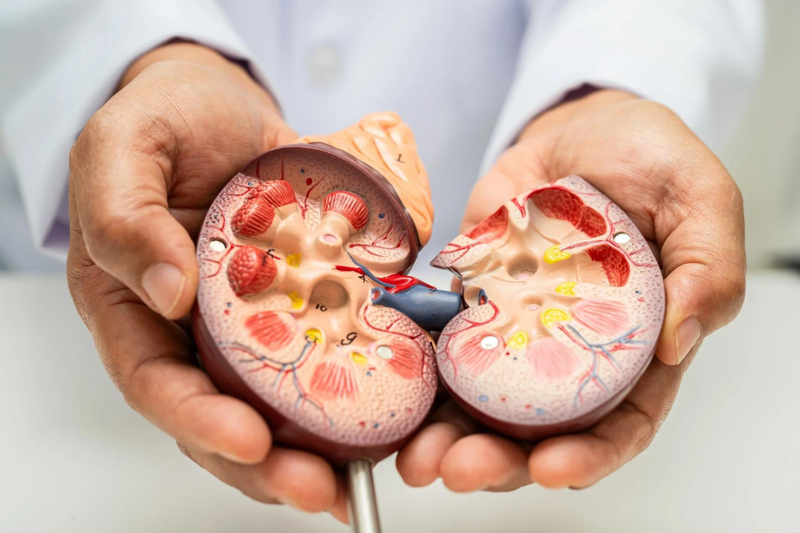
The kidneys are vital organs that help maintain the body’s internal balance by filtering waste products, excess fluids, and toxins from the blood. Any disruption in kidney function can have significant effects on overall health, making regular kidney tests essential for early detection of potential issues. However, while kidney tests are highly reliable, several factors can influence the accuracy of the results. Understanding these variables can help ensure that your test outcomes truly reflect your kidney health.
This article explores the major factors that can affect the accuracy of kidney test results and how you can prepare to obtain the most reliable readings.
Understanding Kidney Function Tests
A Kidney Function Test (KFT) — also known as a Renal Function Test (RFT) — is a group of blood and urine tests used to assess how well your kidneys are working. These tests measure parameters such as:
- Serum Creatinine: Indicates how efficiently your kidneys are filtering waste.
- Blood Urea Nitrogen (BUN): Measures the amount of nitrogen in your blood that comes from urea, a waste product of protein metabolism.
- Uric Acid: Helps detect gout and kidney stone risks.
- Electrolyte Levels (Sodium, Potassium, Chloride): Reflects the kidney’s ability to maintain balance in the body.
- Estimated Glomerular Filtration Rate (eGFR): Provides an estimate of how well your kidneys filter waste from the blood.
These parameters collectively provide a clear picture of kidney performance. However, various factors—ranging from lifestyle habits to medical conditions—can alter these readings.
1. Dietary Habits Before the Test
Your diet can significantly impact kidney test results. For instance:
- High Protein Intake: Consuming large amounts of protein before a test can increase urea and creatinine levels, making it appear as though kidney function is impaired.
- Salt and Potassium-Rich Foods: Excessive sodium or potassium can skew electrolyte balance readings.
- Dehydration: Not drinking enough water can concentrate the blood, artificially elevating waste levels like creatinine and urea.
How to Prepare:
To ensure accurate results, avoid heavy protein meals (like red meat or protein shakes) and maintain proper hydration at least 24 hours before the test.
2. Medication and Supplements
Several medications can influence kidney test parameters. For example:
- Diuretics (Water Pills): These can affect electrolyte balance and hydration levels.
- Antibiotics and NSAIDs (Non-Steroidal Anti-Inflammatory Drugs): Some medications like ibuprofen or gentamicin can alter creatinine or BUN readings.
- Supplements: High doses of creatine or vitamin D can also skew results.
How to Prepare:
Inform your healthcare provider about all medications and supplements you’re taking. They may recommend pausing certain drugs before the test to avoid inaccurate readings.
3. Hydration Status
Hydration plays a crucial role in kidney function. Both dehydration and overhydration can affect test results:
- Dehydration: Can elevate urea and creatinine, falsely suggesting reduced kidney function.
- Overhydration: Can dilute blood and urine samples, leading to deceptively low readings.
How to Prepare:
Maintain normal fluid intake the day before the test. Avoid excessive water just before your blood sample is taken.
4. Physical Activity and Exercise
Intense exercise before a kidney test can lead to temporary increases in creatinine levels due to muscle breakdown. Additionally, strenuous activity can cause mild dehydration, further impacting results.
How to Prepare:
Refrain from heavy workouts or strenuous physical activities for 24–48 hours prior to your kidney test to ensure stable readings.
5. Timing of the Test
Kidney function parameters, especially creatinine and electrolyte levels, can fluctuate throughout the day due to hormonal changes and hydration variations. For consistent comparisons, it’s advisable to conduct follow-up tests at the same time of day.
How to Prepare:
Morning samples are generally recommended since they provide a more standardized baseline and are less influenced by food or fluid intake.
6. Underlying Health Conditions
Certain medical conditions can naturally alter kidney function test results. For instance:
- Diabetes and Hypertension: Can elevate creatinine and BUN levels.
- Heart Disease or Liver Disorders: Can interfere with blood flow and filtration rates.
- Infections or Inflammation: May cause temporary changes in kidney function.
If you have chronic health conditions, your doctor will interpret test results in that context.
7. Laboratory Variability and Testing Techniques
The reliability of your kidney test results also depends on where you get tested. Laboratories differ in equipment calibration, sample handling, and analytical methods—all of which can influence accuracy.
That’s why choosing the right diagnostic centre is vital. At the Best Diagnostic Centre in Udaipur, kidney function tests are conducted using advanced analyzers and standardized procedures, ensuring that results are both accurate and reproducible. Proper sample collection, storage, and analysis are critical for minimizing test variability.
8. Age, Gender, and Muscle Mass
Age and muscle mass naturally influence certain test parameters:
- Older Adults: Often have lower muscle mass, which can reduce creatinine levels even if kidney function is impaired.
- Athletes: Tend to have higher creatinine levels due to greater muscle mass, not necessarily due to kidney dysfunction.
- Gender Differences: Men typically have slightly higher creatinine levels than women because of higher muscle mass.
Your healthcare provider will consider these demographic factors when interpreting results.
9. Recent Medical Procedures
Recent imaging tests or treatments involving contrast dyes (used in CT scans or MRIs) can temporarily affect kidney function and skew test results. If you’ve undergone any such procedure, it’s best to inform your healthcare provider before scheduling a kidney test.
How to Prepare:
Wait a few days after any contrast dye procedure before taking a kidney function test to allow your kidneys to process and eliminate the contrast agents.
10. Fasting and Blood Sample Collection
Fasting may be required for certain kidney-related tests, especially if they’re combined with lipid or glucose tests. Eating before a blood draw can influence various biochemical parameters, indirectly affecting kidney readings.
How to Prepare:
Follow your doctor’s instructions about fasting. Typically, an overnight fast (8–12 hours) is recommended before a KF Test in Udaipur, unless advised otherwise.
Ensuring Accurate Kidney Test Results
To summarize, here are the best practices for accurate kidney test results:
- Follow pre-test dietary and fasting instructions.
- Maintain normal hydration levels.
- Avoid strenuous exercise and alcohol before testing.
- Disclose all medications and supplements.
- Choose a reliable diagnostic centre.
By following these simple yet important steps, you can ensure your results truly reflect your kidney health and allow your doctor to make informed treatment decisions.
Final Thoughts
Kidney function tests are crucial tools for monitoring your overall well-being and detecting potential renal issues early. However, their accuracy depends not only on medical precision but also on personal preparation and awareness of influencing factors.
When scheduling your test, always opt for a trusted healthcare facility with modern diagnostic technology and experienced professionals. For residents of Udaipur, visiting the Best Diagnostic Centre in Udaipur ensures reliable results, expert consultation, and comprehensive health support.
Protecting your kidneys begins with accurate testing—and accurate testing begins with the right preparation and the right diagnostic partner.