Every art student begins their creative journey with curiosity, passion, and a desire to express ideas visually. Artistic growth does not happen overnight; instead, it evolves through structured learning, practice, and self-discovery across different phases.
Understanding the 5 Stages of Artistic Growth in a Fine Arts Program helps students clearly see how their skills, thinking, and confidence develop over time. Each stage plays a critical role in shaping a student into a capable and expressive artist.
Stage 1: Building Strong Foundations
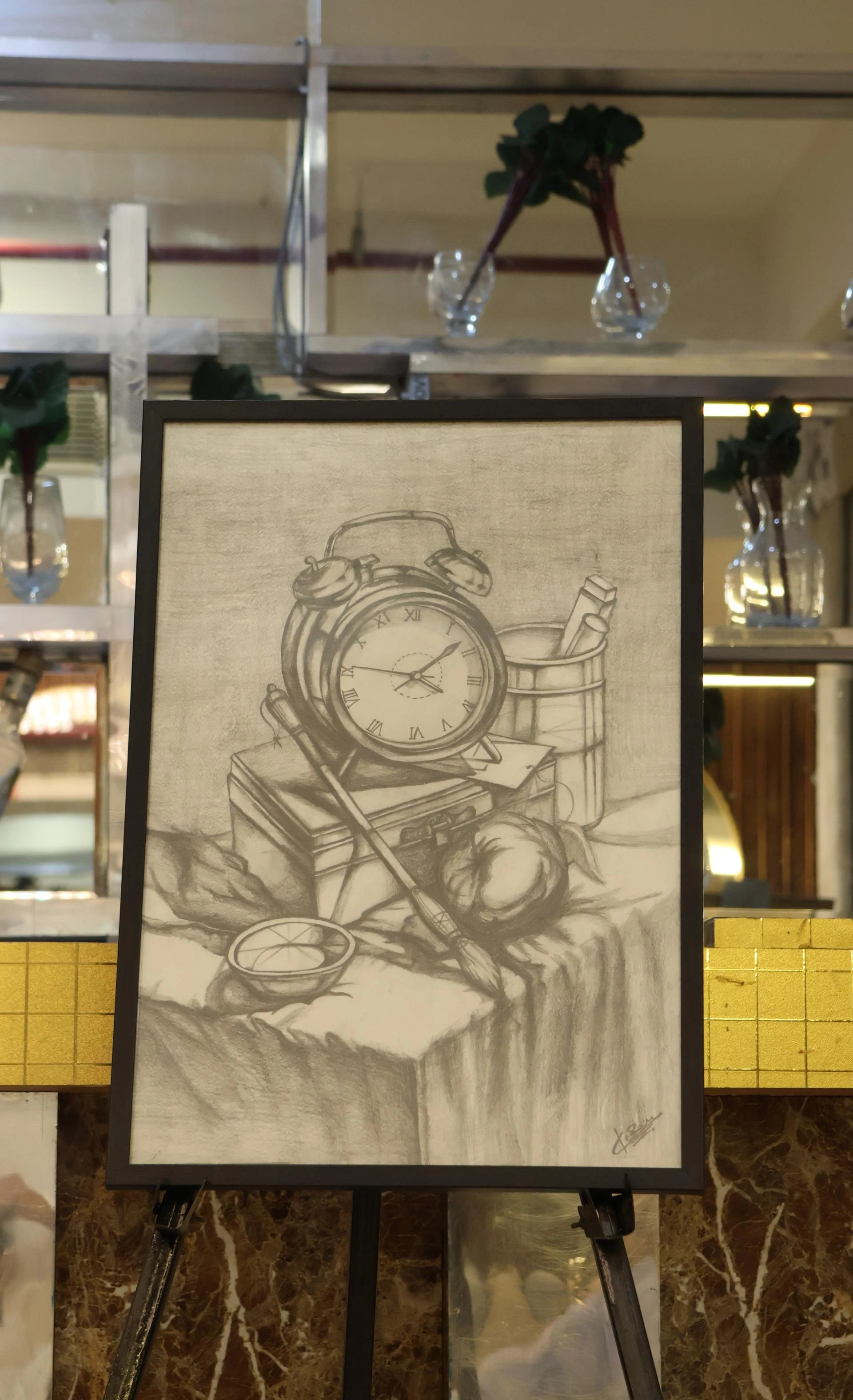
In the initial stage, students focus on mastering the fundamentals of art. This phase emphasizes observation, accuracy, and discipline.
Students learn:
- Basic drawing techniques
- Proportion and perspective
- Line quality and shading
- Observation skills
This stage creates a solid base that supports all advanced artistic learning.
Stage 2: Experimenting with Materials and Techniques
Once the basics are established, students begin exploring different tools and mediums. This phase encourages experimentation and curiosity.
Key areas include:
- Charcoal, pencil, and ink work
- Watercolor and acrylic painting
- Texture creation and mixed media
Through hands-on practice, students start understanding which mediums suit their artistic interests.
Stage 3: Developing Creative and Conceptual Thinking
At this stage, students shift from technical practice to idea-driven work. They learn how to translate thoughts, emotions, and concepts into visual form.
Focus areas include:
- Visual storytelling
- Composition and balance
- Theme-based artwork
- Concept development
This stage helps students move beyond imitation and develop originality.
Stage 4: Discovering a Personal Artistic Style
As skills and confidence grow, students begin refining their unique style. They learn to make intentional artistic choices and express individuality.
This stage focuses on:
- Personal expression
- Style refinement
- Creative experimentation
- Feedback and improvement
Students start producing work that reflects their identity as artists.
Stage 5: Professional Skills and Portfolio Creation
The final stage prepares students for professional and academic opportunities. Emphasis is placed on presentation, consistency, and readiness for the creative industry.
Students work on:
- Portfolio development
- Project planning and deadlines
- Understanding creative career paths
- Preparing for further education or freelance work
This stage bridges the gap between learning art and practicing it professionally.
Choosing the Right Path Forward
Understanding each stage of artistic growth helps students stay motivated and focused throughout their journey. For those seeking guidance from the Best Art Academy in Delhi, recognizing these stages can make it easier to choose a program that supports long-term creative and professional development.