


The thyroid gland, a small butterfly-shaped organ located at the base of your neck, plays a crucial role in maintaining your body’s metabolism, energy levels, and overall hormonal balance. When your thyroid doesn’t function properly, it can lead to a wide range of health issues that often go unnoticed until they become serious. That’s why understanding thyroid test results — and more importantly, recognizing what abnormal results mean — is essential for early detection and effective management of thyroid disorders.
In this blog, we’ll explore what abnormal thyroid test results indicate, the symptoms you might experience, and how comprehensive diagnostic testing can help you stay healthy.
Understanding the Thyroid and Its Function
The thyroid gland produces hormones that regulate metabolism — primarily thyroxine (T4) and triiodothyronine (T3). These hormones influence how your body uses energy, regulates temperature, and supports essential functions such as heart rate, digestion, and muscle control. The production of these hormones is controlled by thyroid-stimulating hormone (TSH), which is secreted by the pituitary gland.
A delicate balance between TSH, T3, and T4 ensures the body functions smoothly. However, when this balance is disrupted, it leads to hypothyroidism (underactive thyroid) or hyperthyroidism (overactive thyroid).
The Role of Thyroid Function Tests
Thyroid function tests are a group of blood tests that measure how well your thyroid gland is working. The most common ones include:
- TSH (Thyroid Stimulating Hormone): Determines how much stimulation the thyroid gland receives from the pituitary gland.
- Free T4 (Thyroxine): Measures the amount of thyroxine available in the bloodstream.
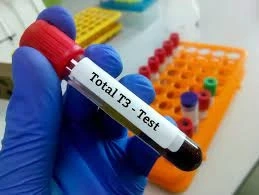
- Free T3 (Triiodothyronine): Indicates how much active thyroid hormone is available for use by the body.
These tests are typically performed as part of a Thyroid Profile Test, which provides a complete picture of your thyroid’s health.
What Abnormal Thyroid Test Results Mean
Abnormal thyroid test results usually indicate an imbalance in the production or regulation of thyroid hormones. Depending on which hormone levels are affected, you could be experiencing hypothyroidism, hyperthyroidism, or another related condition.
1. High TSH and Low T4 (Hypothyroidism)
When TSH levels are elevated but T4 levels are low, it suggests primary hypothyroidism, meaning your thyroid gland isn’t producing enough hormones. The pituitary gland compensates by releasing more TSH to stimulate the thyroid, but the gland remains underactive.
Common symptoms include:
- Fatigue and sluggishness
- Weight gain despite unchanged diet
- Sensitivity to cold
- Dry skin and brittle hair
- Depression or brain fog
- Slow heart rate
Causes may include:
- Autoimmune diseases like Hashimoto’s thyroiditis
- Iodine deficiency
- Certain medications
- Postpartum thyroiditis
If left untreated, hypothyroidism can lead to more severe complications such as goiter, infertility, and myxedema coma in extreme cases.
2. Low TSH and High T4/T3 (Hyperthyroidism)
Low TSH with high T4 or T3 levels points to hyperthyroidism, a condition where the thyroid gland becomes overactive and releases too many hormones into the bloodstream.
Common symptoms include:
- Unexplained weight loss
- Rapid or irregular heartbeat
- Nervousness, anxiety, or irritability
- Sweating and heat intolerance
- Muscle weakness
- Difficulty sleeping
Causes may include:
- Graves’ disease (an autoimmune condition)
- Thyroid nodules or toxic goiter
- Excessive iodine intake
- Overuse of thyroid hormone medication
Untreated hyperthyroidism can strain the heart and bones, leading to atrial fibrillation and osteoporosis.
3. High TSH and Normal T4 (Subclinical Hypothyroidism)
This pattern indicates that the thyroid gland is beginning to slow down but hasn’t yet caused low T4 levels. People may not experience noticeable symptoms at this stage. However, regular monitoring and lifestyle adjustments are essential to prevent progression to full hypothyroidism.
4. Low TSH and Normal T4 (Subclinical Hyperthyroidism)
In this case, the thyroid is slightly overactive but not yet producing excess hormone levels. It may occur temporarily or indicate an early stage of hyperthyroidism. Monitoring and medical advice are crucial to avoid complications.
5. Abnormal T3 Levels
Sometimes, T3 levels alone may be abnormal even if TSH and T4 levels appear normal. This could suggest T3 toxicosis, an early form of hyperthyroidism, or issues related to liver metabolism, since T4 is converted to T3 in the liver.
Interpreting Results Accurately
While abnormal results may indicate a thyroid disorder, interpretation should always be done by a qualified medical professional. Several factors can affect test outcomes, including:
- Medications (e.g., steroids, dopamine, birth control pills)
- Pregnancy or hormonal changes
- Illness or stress
- Nutritional deficiencies (especially iodine or selenium)
Because thyroid function is interconnected with other systems in the body, your doctor may recommend additional tests such as thyroid antibodies, ultrasound imaging, or radioactive iodine uptake tests for a more comprehensive evaluation.
Why Early Diagnosis Matters
The thyroid gland influences almost every system in your body. When its function is impaired, the effects can be wide-ranging — from fatigue and mood swings to weight fluctuations and cardiovascular problems. Detecting abnormalities early through a reliable thyroid function test can prevent long-term complications and improve quality of life.
Many individuals discover thyroid dysfunction only after months or years of unexplained symptoms. This delay often happens because early signs mimic other conditions like stress, aging, or depression. Routine screening, especially for women and individuals over 40, is an effective way to catch problems early.
Comprehensive Health Testing for Accurate Results
If you suspect thyroid issues or are experiencing unexplained symptoms, scheduling a full diagnostic checkup is essential. Regular monitoring through packages like the TP Test can help assess thyroid function along with other important parameters like blood sugar, cholesterol, and liver enzymes — providing a holistic view of your health.
Reliable and precise lab testing plays a crucial role in diagnosing thyroid disorders accurately. Getting tested at the Best Diagnostic Centre in Udaipur ensures that your samples are handled with advanced technology, experienced staff, and quality assurance — giving you results you can trust.
Managing Abnormal Thyroid Test Results
If your thyroid test results come back abnormal, don’t panic. Thyroid disorders are common and highly manageable with proper care. Treatment usually depends on the underlying cause:
- Hypothyroidism: Managed with daily thyroid hormone replacement therapy (levothyroxine).
- Hyperthyroidism: Treated through anti-thyroid medications, radioactive iodine therapy, or in rare cases, surgery.
- Lifestyle Adjustments: Eating a balanced diet rich in iodine, selenium, and zinc; managing stress; and regular exercise can support thyroid function.
Your doctor will tailor treatment to your individual needs, monitor your hormone levels regularly, and adjust dosages as required.
Final Thoughts
Abnormal thyroid test results don’t necessarily mean something is severely wrong — but they are a clear signal that your body needs attention. Understanding what these results indicate helps you make informed decisions about your health.
Whether you’re dealing with fatigue, weight changes, or mood fluctuations, a timely Thyroid Profile Test can reveal underlying imbalances before they develop into chronic conditions. By choosing trusted diagnostic services like those offered at the Best Diagnostic Centre in Udaipur, you ensure accuracy, reliability, and expert guidance every step of the way.
Your thyroid may be small, but its impact is enormous. Taking proactive steps today through comprehensive testing can safeguard your energy, metabolism, and overall well-being for years to come.