



Afro Caribbean Food Origins and Cultural Influences
Start anywhere in the islands, smell frying ackee tangled with salted cod. Move over to Port of Spain, where callaloo simmers long past dawn. Step into Old San Juan, steam rising off plates of rice hugging pigeon peas. Not just eating here. Each bite holds memory like stone keeps water cool. Flavors trace paths drawn by violence, survival on colonized soil, traditions tucked beneath generations. Food shaped by absence turns inventive, using what was discarded becomes central. African roots twist through island life, not mixed but remade, piece by torn piece. Dishes rise from little, built when limits sparked invention.
Cooking Methods That Held Traditions Together
What holds this food tradition together isn’t word-for-word family recipes, but how things are cooked - long simmers, smoke, fermentation, frying in rich palm oil. Unlike spices or plants, these ways of cooking didn’t draw attention while moving across distances. Texture mattered most; deep color from browning meat, complex tastes built step by step - even when original items weren’t at hand. Yams gave way to plantains. Dried salted cod took the place of freshwater fish caught nearby. Still, the pattern stayed clear: meals made together in a single pot, centered on starchy staples, spiced strongly with fiery scotch bonnet peppers, thyme, and garlic.
Enslavement, Agriculture, and Regional Impact
Food access for enslaved Africans faced limits under colonial plantations. Yet overlooked is their reshaping of crops introduced by Europeans, holding fast to African methods. Grown widely in Asia, rice took root in the Americas thanks to know-how from people taken from Senegambia - a rare part of Africa skilled in flooded-field rice growing. These individuals did more than follow orders; many led the way in practices central to farming today across the southern United States and Caribbean islands. Their skill subtly changed what entire regions ate, far past their immediate circles.
Flavor Balance Beyond Heat
Flavors whisper quietly here. Heat often gets the credit for Afro-Caribbean dishes. Yet harmony plays a bigger role than spice alone. When gently simmered, Scotch bonnet peppers add fruit-like richness instead of just fire. Allspice - known locally as pimento - grows wild in Jamaica, rooted in Taíno tradition before becoming part of Black kitchens. These elements mixed out of necessity, not design, forming something new through need.
Afro-Caribbean Food on Modern Store Shelves
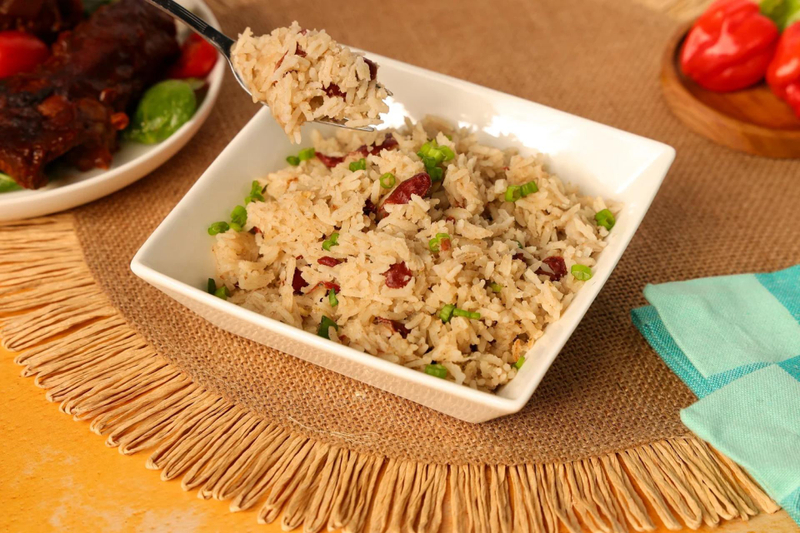
Out here on store shelves, Afro-Caribbean meals show their heritage in ways that differ from family cooking. These packaged dishes often flatten deep flavors into something simpler. Still, a few higher-end precooked rice options stay closer to tradition. Spot them by checking if they use actual coconut milk, not fake cream fillers. They build flavor with caramelized onions, skipping instant powder blends. Pieces of meat - like stewed chicken or oxtail - show up intact, not mashed or hidden. Convenience doesn’t erase choices: palm oil appears sometimes, other times it’s standard vegetable oil; fresh herbs go in, not just dusty seasonings. Older ways live on in MSG, long-grain white rice, black beans, or gungo peas. Done right, these ingredients don’t copy realness - they follow its beat.
Convenience, Access, and Cultural Continuity
What you find on shelves today answers real daily challenges. When time runs short, ingredients vanish unpredictably, or stores lack regional goods, ready-made choices step in. Yet these aren’t copies of quick-service meals; higher-end versions try to keep cultural roots alive, even inside factory rules. A few companies bring in chefs from immigrant communities to fine-tune tastes, shifting salt levels or heat according to family habits passed down. In some cases, they pull ingredients nearby - like Jamaican allspice or Haitian seasoning blends - to hold onto place-based character, no matter how tight the wrapper.
How Industrial Cooking Changes Taste
Funny how taste changes when it travels. Browning meat comes first, after that softening onions, followed by hours of gentle boiling to deepen the taste. But meals made ahead go through pressurized heat sealing instead, a method that often dulls the sharp highs of scent. The feel alters just as much - slow-cooked flesh turns evenly soft, giving up its original push-and-pull. Over time, people begin to accept this different version. Younger folks or those new to the food might meet Afro-Caribbean flavors here for the very first time. When a meal plays that part, getting it right every time beats subtle details.
Conclusion
Fresh out of history books, Afro-Caribbean food never froze in time. Movement defines it more than memory ever could. Ready meals on shelves? That is survival showing up late to the party. Taste has little to do with why these dishes matter - existence does. Stolen farming wisdom now hums inside factory machines, same rhythm, different hands.
FAQs
What makes a ready-to-eat meal truly Afro-Caribbean?
Start with classics: rice served alongside kidney beans or gungo peas feels right at home here. Season everything the old way - thyme, fresh scallions, whole hot peppers bring depth. Skip anything packed with fake tastes or drenched in sweet sauce. Real flavor stands on its own.
Are frozen or shelf-stable Afro-Caribbean rice meals nutritionally comparable to homemade versions?
It depends. A few come close to homemade meals when they skip extra salt and avoid processed fats. Look at the packaging - familiar items should be listed first. Ingredients need to make sense.
What companies put old-style cooking first in pre-packaged meals?
Out here, some smaller makers like GraceMeals and Coco Jam stick to gently simmered foundations with real animal fats. Found mostly in certain areas, though rising interest is pushing their reach into niche stores across more places now.
Do such dishes help far-flung family roots stay alive?
True enough. When people live far from familiar kitchens, basic forms of old recipes still keep connections alive. Flavors tied to childhood can shape who someone feels they are - this matters a lot for kids growing up away from home.