



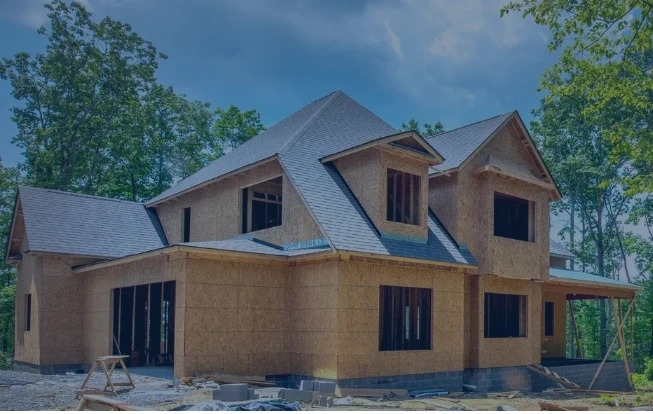
Construction money feels exciting. Cash is finally in hand. Crews can move. Materials get ordered. Progress looks real. Still, plenty of projects fall apart not because of bad ideas, but because funds get mismanaged. For developers using private money, the rules feel looser, yet the risks stay real. A construction loan for real estate developers brings speed and flexibility, but it also demands discipline from day one.
Private money mortgage brokers see the same issues again and again. The good news is simple. Every mistake listed here can be avoided with planning, clear thinking, and honest communication.
Treating Loan Funds Like Free Cash
Private money loans move fast. Fewer hoops. Less paperwork. This speed often creates a false sense of comfort. Some developers spend early funds on non-critical items. Others pull cash for side projects.
Private money stays tied to the deal. Every dollar has a job. When funds drift, the project timeline slips. Costs rise. Trust erodes.
Smart developers map each draw before the first dollar arrives. They respect the budget like a contract.
Weak Budget Planning From the Start
A shaky budget sets the tone for failure. Developers sometimes underestimate labor. Others ignore permit delays or site issues. Some skip a cushion for price swings.
Private money lenders expect realistic numbers. Inflated optimism raises red flags. Worse, a bad budget forces rushed choices later.
Solid planning includes real bids, local cost data, and a clear build schedule. Brokers often help refine numbers before funding. Use this help. It saves pain later.
Poor Draw Management
Draws keep projects alive. Mismanaging them chokes progress.
Common draw mistakes include late requests, missing invoices, or vague expense notes. Each delay slows crews. Momentum fades fast on a quiet site.
Strong draw habits keep cash flowing and trust intact.
Good draw practices include:
l Submitting clear invoices and lien waivers
l Matching draw requests to completed work
l Keeping photos and site updates ready
This one habit alone separates smooth builds from messy ones.
Ignoring the Exit Plan
Every private money construction loan needs an exit. Refinance. Sale. Partner buyout. Still, some developers treat the exit like a future problem.
Markets shift. Rates move. Buyer demand cools. Without a clear path, balloon dates creep closer.
Private money brokers push early exit talks for a reason. A backup exit keeps stress low. It also protects profit.
Overbuilding for the Market
Ego sneaks into builds. Fancy finishes. Extra square footage. High-end features in mid-range areas.
Private money focuses on asset value. Overbuilding ties up funds and hurts resale speed. Worse, appraisals may fall short.
Developers who win know their buyer. They build for demand, not pride. This mindset matters even more with construction loans for builders in Spokane, WA, where local taste shapes pricing fast.
Weak Communication With the Broker
Silence kills deals. Some developers avoid calls once funds arrive. Others hide delays or cost overruns.
Private money brokers want updates. Not perfection. Early warnings allow solutions. Late surprises close doors.
Open talk keeps projects flexible. Brokers can adjust draw timing, connect new resources, or help restructure terms if needed.
Mixing Personal and Project Funds
Blending accounts feels easy. It also creates chaos. Tracking expenses becomes a mess. Audits take longer. Draw reviews stall.
Private money lenders expect clean books. Separate accounts protect everyone involved.
This matters even more with construction loans for business, where accounting clarity supports tax planning and future funding.
Underestimating Soft Costs
Hard costs grab attention. Lumber. Labor. Concrete. Soft costs often slip through cracks.
Permits, surveys, legal fees, insurance, and holding costs stack up fast. Developers who miss these eat into profit or stall mid-build.
Private money brokers push full cost reviews early. Listen to this push. It comes from long experience.
Choosing Speed Over Structure
Private money moves fast. Some developers rush paperwork or skip review. They sign terms without reading details.
Speed without structure leads to shock later. Fees, timelines, and conditions must match the project plan.
Strong developers ask questions early. They align terms with build phases. This approach supports long-term success, especially with construction loans for developers in Washington, where project scopes vary widely.
Failing to Plan for Delays
Delays happen! Weather. Inspections. Supply chains. Crew gaps. Developers who assume perfect timelines get burned. Interest accrues. Carry costs rise.
Private money allows flexibility, but only when delays are planned. Buffers in time and money keep deals alive.
This planning becomes critical for projects using construction loans in western Montana, where weather alone can halt progress.
Overleveraging the Deal
Max leverage feels tempting. More cash means more projects. Still, thin equity leaves no room to breathe.
Private money lenders look for skin in the game. Adequate equity absorbs shocks and protects value.
Balanced leverage keeps projects stable. It also builds credibility with future lenders.
Ignoring Local Rules and Zoning
Each area plays by its own rules. Zoning, use limits, and inspection standards change by city and county.
Developers who assume rules match past projects risk shutdowns. Private money cannot fix a zoning miss.
This risk matters for deals involving a construction loan provider in Idaho, where property type limits apply strict.
Relying on Verbal Agreements
Handshake deals feel friendly. They also fail fast under stress. Private money terms live in writing. Draw schedules, extensions, and changes that need paper trails.
Smart developers document everything. Clear records protect both sides and keep funding smooth.
Final Thought
Managing construction loan funds calls for focus, honesty, and planning. Private money offers speed and flexibility, but it rewards discipline. Developers who respect budgets, communicate clearly, and plan exits stay ahead of trouble. Mistakes cost more than money. They cost time, trust, and future deals. Build smart, manage funds with care, and each project sets the stage for the next win.