



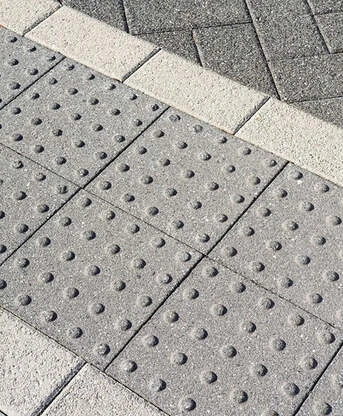
In modern city planning, accessibility is more than a legal requirement—it’s a social responsibility. Truncated domes play a vital role in ensuring that people with visual impairments can navigate public spaces safely. These raised, tactile surfaces, also known as detectable warning tiles, are strategically installed in locations like crosswalks, building entrances, and train platforms.
The function of truncated domes is simple but powerful. When detected underfoot or with a cane, they provide a non-visual signal that a change in the environment is ahead. This could mean a street intersection, a drop in elevation, or access to public transportation. Without them, many visually impaired individuals would face unnecessary risks.
By incorporating detectable warning products into urban environments, cities comply with ADA regulations and demonstrate inclusivity. The benefits go beyond safety: they create a sense of independence and confidence for those who rely on tactile navigation.
Ultimately, truncated domes are not just small bumps on the ground; they are symbols of equal access and safety in society.