


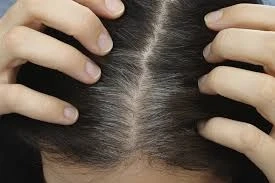
White hair removal in Dubai (إزالة الشعر الأبيض في دبي) or grey hair removal has become an increasingly popular cosmetic concern, especially for people who discover that traditional laser hair removal is ineffective on non-pigmented hair. As demand grows, many people considering white hair removal in Dubai want to understand the possible risks, safety factors, and long-term outcomes before starting treatment.
The good news is that modern hair-removal technologies are generally safe when performed correctly. However, like any cosmetic procedure, there are some risks to be aware of.
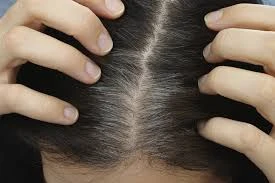
Why White Hair Requires Different Treatment?
Laser hair removal works by targeting melanin (pigment) in the hair follicle. Since white or grey hair lacks melanin, alternative treatments are required, including:
- Electrolysis
- Radiofrequency-assisted hair removal
- Other follicle-targeting technologies
These treatments destroy the follicle directly rather than relying on pigment detection, making them effective for white hair removal.
Common Risks of White Hair Removal Treatments:
Most risks associated with white hair removal in Dubai are minor and temporary. Understanding them helps patients prepare for treatment and recovery.
Temporary Redness and Swelling:
After electrolysis or similar treatments, mild redness or swelling may appear. This usually disappears within a few hours.
Skin Sensitivity:
Treated areas may feel slightly tender or warm for a short time. Sensitive skin may react more noticeably but typically heals quickly.
Minor Skin Irritation:
Small scabs or dryness can occur if the skin becomes irritated after treatment. Proper aftercare reduces this risk significantly.
Hyperpigmentation (Rare):
Temporary darkening of the skin can occur if treated areas are exposed to sunlight too soon after the procedure.
Infection Risk (Very Rare):
If aftercare instructions are not followed, there is a small chance of infection. Keeping the area clean prevents complications.
Most of these risks are temporary and manageable, especially when treatment is performed by trained professionals using modern equipment.
How to Reduce Risks During Treatment?
Patients can minimize risks by following a few simple precautions:
- Avoid sun exposure before and after treatment
- Follow post-treatment skincare instructions carefully
- Avoid picking or scratching treated areas
- Stay hydrated and keep skin moisturized
- Attend all recommended sessions
These steps support faster healing and better long-term results.
What to Expect During Recovery?
Recovery from white hair removal treatments is usually quick and uncomplicated.
Immediately after treatment:
- Mild redness
- Slight swelling
- Temporary warmth in the treated area
Within 24 hours:
- Skin returns to normal
- No visible marks remain
Because electrolysis and similar treatments are minimally invasive, downtime is very limited.
FAQs About White Hair Removal in Dubai?
Is white hair removal safe?
Yes, treatments like electrolysis are considered safe when performed by trained professionals.
Can white hair removal leave scars?
Scarring is extremely rare when proper techniques and aftercare are followed.
Does white hair removal hurt?
Most patients experience mild discomfort similar to a small pinprick sensation.
How many sessions are needed?
Multiple sessions are required because hair grows in cycles and each follicle must be treated individually.
Can side effects last long?
Most side effects, such as redness or swelling, disappear within hours or a day.
Is white hair removal permanent?
Electrolysis can permanently destroy treated follicles, though new hair may grow in untreated areas.
Final Thoughts:
White hair removal (إزالة الشعر الأبيض ) is a safe and effective solution for people who cannot benefit from traditional laser hair removal. While minor risks such as redness, sensitivity, or irritation can occur, they are typically short-lived and manageable with proper care.
Modern treatments like electrolysis provide a reliable path to permanent hair reduction, allowing patients to achieve smooth, natural-looking skin. With professional treatment, proper aftercare, and realistic expectations, individuals can confidently address unwanted white hair with minimal risk and long-lasting results.