


Blocked stormwater drains are a frequent challenge for many homeowners in Melbourne. When these drains get clogged, water cannot flow away properly, which can lead to puddles, flooding, or even structural damage to your property. Understanding the causes, preventive measures, and professional solutions for blocked stormwater drains can help you avoid costly repairs and maintain a safe and healthy home environment.
Common Causes of Blocked Stormwater Drains
Stormwater drains are designed to carry rainwater away from homes and streets. However, several factors can cause these drains to become blocked.
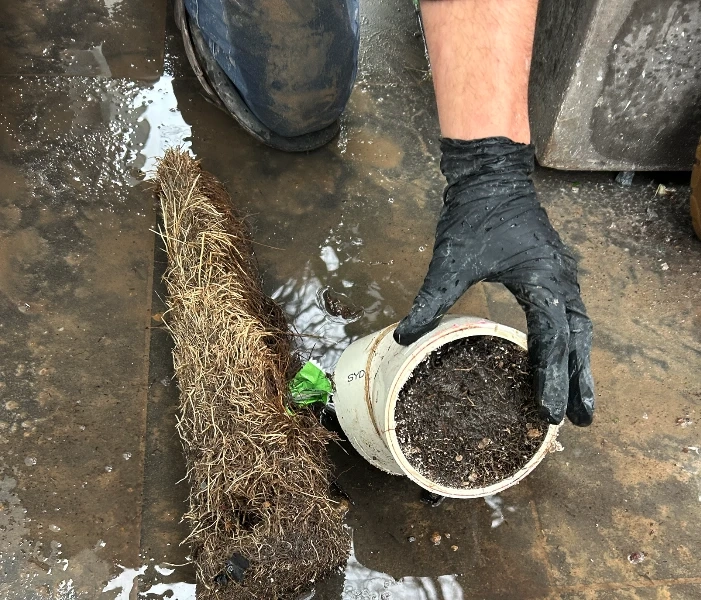
Organic Debris
Leaves, twigs, and grass clippings are some of the most common causes of blockages. During heavy rain, these materials can accumulate in drains, slowing water flow and creating complete obstructions.
Soil and Sediment Build-Up
Soil, sand, and other fine particles from gardens or nearby construction sites can settle in stormwater drains over time. This accumulation can restrict water movement and reduce the drain's efficiency.
Improper Waste Disposal
Disposing of kitchen oil, food scraps, or other waste in outdoor drains can lead to solidified grease or residues that trap other debris, worsening blockages over time.
Damaged or Misaligned Pipes
Broken, cracked, or collapsed drain sections can obstruct the flow of water, making it difficult for the system to function correctly. Detecting these issues often requires professional inspection.
Signs Your Stormwater Drain Needs Attention
Identifying a blocked stormwater drain early can prevent more serious problems. Common warning signs include:
- Water pooling near driveways, gardens, or pathways after rain
- Strange odors coming from drain outlets
- Slow drainage or unusual noises in plumbing pipes
- Visible accumulation of debris at the drain entrance
If you notice any of these signs, addressing the problem promptly can save you from flooding and water damage.
Preventive Measures for Homeowners
There are several practical steps homeowners can take to reduce the risk of blocked stormwater drains.
Regular Cleaning and Maintenance
Removing leaves, twigs, and other debris from gutters and drain openings is one of the most effective ways to prevent blockages. Checking these areas regularly, especially during autumn and spring, can make a significant difference.
Install Drain Covers
Mesh or grate covers can prevent large debris from entering stormwater drains while still allowing water to flow freely. This simple addition can save a lot of effort and reduce blockages significantly.
Mindful Waste Management
Avoid pouring grease, oil, or food waste into outdoor drains. Instead, dispose of waste responsibly and compost garden matter whenever possible.
Landscaping Choices
Plant trees and shrubs away from drains to minimize leaves and branches falling into drainage systems. Use mulch or gravel to reduce soil erosion near drains and prevent sediment accumulation.
When to Seek Professional Help
While regular maintenance can prevent many problems, some blockages are too difficult to resolve without professional assistance.
Drain Inspection and Cleaning Services
Plumbers use specialized equipment such as high-pressure water jets and CCTV cameras to locate and remove blockages deep inside drains. This method ensures thorough cleaning without damaging the pipes.
Repair or Replacement of Damaged Drains
Professional plumbers can repair or replace sections of damaged or misaligned pipes. This ensures proper water flow and prevents recurring blockages, protecting your property in the long term.
Emergency Plumbing Services
During heavy storms or flooding, immediate action may be necessary to prevent water entering your home. Emergency plumbing services are available to clear blocked stormwater drains quickly and efficiently.
Long-Term Strategies to Avoid Blockages
Preventing blocked drains is an ongoing task. Homeowners can take several long-term steps to ensure their stormwater drains remain clear and functional.
- Schedule annual inspections of drainage systems with a professional plumber
- Keep gutters and downpipes free of leaves and debris throughout the year
- Avoid dumping soil, sand, or garden waste into stormwater drains
- Monitor water flow during heavy rainfall to detect early signs of blockage
By implementing these strategies, homeowners can reduce the likelihood of serious drainage issues and protect their property.
Choosing a Trusted Plumbing Service in Melbourne
Selecting the right plumbing service is critical for resolving and preventing blocked stormwater drains. Look for a company with experienced and licensed plumbers, positive customer reviews, and transparent pricing.
Professional services provide not only immediate solutions but also long-term maintenance advice to keep your drains working efficiently. For Melbourne homeowners seeking reliable and expert plumbing solutions, MGR Plumbing offers trusted services, prompt response times, and professional care for all drainage issues.
Conclusion
Blocked stormwater drains can lead to serious problems if ignored. Homeowners who understand the causes, signs, and preventive measures are better equipped to protect their property. Regular maintenance, mindful waste disposal, and professional plumbing services are key to managing stormwater drains effectively. By taking these steps, Melbourne residents can ensure their homes remain safe, dry, and protected from water damage.