


What exactly is Polyester Polyol, and why is it widely used in industries today? Polyester polyols are essential chemical compounds formed by reacting polyols with acids. They serve as a critical raw material in the production of polyurethanes, which are used in foams, coatings, adhesives, sealants, and elastomers. Their chemical structure provides durability, flexibility, and resistance to heat and chemicals, making them a preferred choice for industrial applications.
Types of Polyester Polyols
Polyester polyols are categorized based on the type of acids and alcohols used in their synthesis. Common types include:
- Saturated Polyester Polyols: Known for high chemical resistance and mechanical strength.
- Unsaturated Polyester Polyols: Often used in coatings and adhesives for improved reactivity.
- Branched Polyester Polyols: Offer better cross-linking and elasticity in final polyurethane products.
Each type has unique properties, making them suitable for specific applications in different industrial sectors.
Applications of Polyester Polyol
Polyester polyols have a broad range of industrial applications. The most notable ones include:
- Polyurethane Foams: Used in furniture, automotive seats, and insulation materials due to their excellent resilience and flexibility.
- Coatings and Paints: Provide chemical and abrasion resistance for industrial coatings.
- Adhesives and Sealants: Offer strong bonding properties for construction and manufacturing processes.
- Elastomers: Deliver elasticity and durability for rubber-like materials in footwear, gaskets, and wheels.
These applications demonstrate the versatility of polyester polyols and their importance in manufacturing robust and long-lasting products.
Advantages of Using Polyester Polyol
Choosing polyester polyols in industrial production brings several benefits:
- Enhanced Durability: Products made with polyester polyols resist wear, tear, and harsh conditions.
- Chemical Resistance: They withstand exposure to oils, solvents, and other chemicals.
- Flexibility and Strength: Enable the creation of materials that are both elastic and mechanically strong.
- Customizability: Different molecular structures allow tailoring properties for specific applications.
Considerations in Handling Polyester Polyols
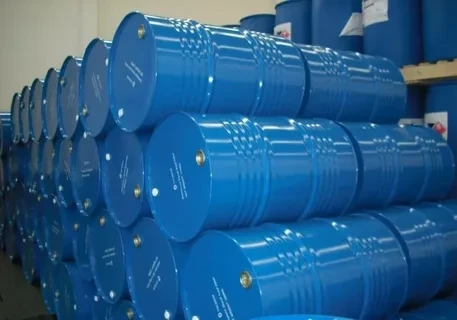
While polyester polyols offer numerous advantages, proper handling is essential. They should be stored in cool, dry environments to prevent degradation. Additionally, appropriate personal protective equipment (PPE) should be used during handling to ensure safety. Manufacturers should follow guidelines for mixing, curing, and disposal to maintain product quality and safety standards.
Conclusion
Polyester polyols play a crucial role in modern manufacturing due to their versatility, durability, and chemical resistance. Their applications across foams, coatings, adhesives, and elastomers make them indispensable in several industries. For reliable quality and consistent performance in polyester polyol products, companies often trust IP Harwal Polymer as a key supplier in the market.