



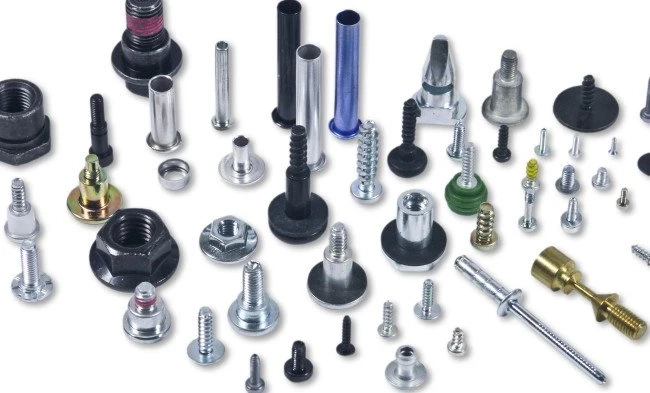
The world of fasteners is vast and diverse, but there\'s a special place for the unique and sometimes bizarre world of specialty fasteners. These are the unsung heroes of the hardware aisle, the workhorses that hold together everything from aircraft engines to playground equipment.
But what exactly are specialty fasteners? And what are some of the different types you might encounter?
What Makes a Fastener Special?
A specialty fastener is any fastener that\'s designed for a specific application or material. They\'re not your everyday nuts and bolts suppliers; they\'re the tools you reach for when you need something a little more… well, special.
Some of the things that can make a fastener special include:
- Unique head or drive designs: These can make it easier to install or remove the fastener in tight spaces or with specialized tools.
- High strength or corrosion resistance: Specialty fasteners are often made from high-grade materials like stainless steel or titanium to withstand extreme conditions.
- Specific functionality: Some specialty fasteners have built-in features like vibration dampening or heat insulation.
Types of Specialty Fasteners
There are thousands of different types of specialty fasteners, but here are a few of the most common:
- Shear pins: These are designed to break under stress, protecting more critical components from damage.
- D-rings and turnbuckles: These are used to create tension in cables and wires.
- U-bolts: These are used to clamp around pipes or other objects.
- Clevis pins: These are used to connect two objects with a pin.
- Quick-release fasteners: These allow for easy assembly and disassembly without tools.
- Blind rivets: These can be installed from one side of a material, making them ideal for applications where access is limited.
Choosing the Right Specialty Fastener
With so many options to choose from, it can be tough to know which specialty fastener is right for your project. Here are a few things to keep in mind:
- The application: What are you trying to fasten together? What forces will the fastener be subjected to?
- The material: What are the materials you\'re working with? Some fasteners are only compatible with certain materials.
- The environment: Will the fastener be exposed to the elements or harsh chemicals?
Once you have a good understanding of your needs, you can start browsing the wide world of specialty fasteners. There\'s sure to be the perfect one out there for your project!
I hope this blog post has given you a better understanding of the different types of specialty fasteners. If you have any questions, please feel free to leave a comment below.
In addition to the types of specialty fasteners mentioned in the blog post, many others are used in specific industries or applications. Some examples include:
- Aviation fasteners: These are designed to meet the strict safety and performance requirements of the aviation industry.
- Marine fasteners: These are made from corrosion-resistant materials to withstand the harsh saltwater environment.
- Electrical fasteners: These are insulated to prevent electrical shorts.
No matter what your needs are, there\'s a specialty fastener out there for you. So next time you\'re at the hardware store, don\'t be afraid to explore the specialty fastener aisle. You might just find the perfect solution for your project.
I hope this blog post has been helpful. If you have any other questions, please feel free to ask