



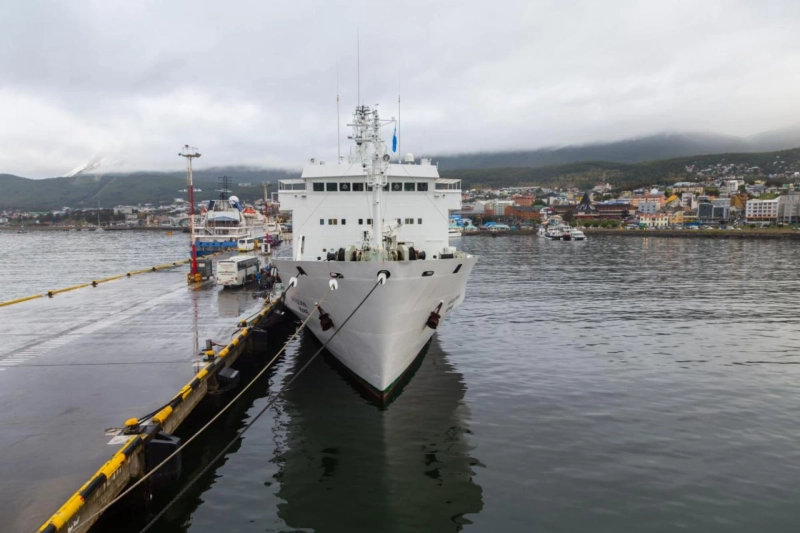
When importing goods into the UK, it’s important to understand that your expenses don’t end when the vessel docks. After the arrival at destination post, a new set of costs kicks in — and if you’re not prepared, these can take you by surprise. In this blog, we'll explore what the port of destination arrival truly means, what costs you can expect, and how working with experts like Mercium can help you navigate this final critical stage smoothly.
What Does Port of Destination Arrival Mean?
Before diving into the costs, it’s essential to understand what port of destination arrival means.
In shipping, port of destination arrival refers to the moment your cargo reaches the intended port in the destination country — for example, when your container arrives at the Port of Felixstowe or Southampton in the UK. However, arrival at the port of destination doesn’t mean the goods are in your hands yet. It simply means they have reached the entry point and are awaiting clearance, unloading, and further inland movement.
Thus, when documents or tracking mention port of destination - arrival, it’s an alert that your goods are physically at the port but not yet cleared for collection or delivery.
What Happens After Arrival at Destination Post?
Once your goods reach the arrival at destination post, several steps are needed before they can be released:
- Unloading from the vessel
- Customs clearance checks
- Payment of duties and taxes
- Container devanning or warehousing
- Final mile delivery (if arranged)
Each of these steps brings associated costs that importers must plan for.
What Costs Are Involved After Port of Destination Arrival?
Let’s break down the typical costs you may encounter after your shipment has reached the port of destination.
1. Port Handling Charges
Ports charge fees for unloading the container, moving it within the port, and storing it temporarily. These costs vary by port but typically include:
- Terminal handling charges (THC)
- Wharfage fees
- Security fees
2. Customs Clearance Fees
When your shipment undergoes customs clearance, you may incur:
- Customs broker fees (if you use an agent)
- Import duties based on the goods’ classification
- VAT on imports (usually 20% in the UK)
Even if you handle clearance yourself, some administrative charges may apply.
3. Demurrage and Detention Charges
If your cargo remains at the port beyond the free time allowed (usually a few days), shipping lines and terminals impose:
- Demurrage: Fee for the container staying too long at the terminal.
- Detention: Fee for holding onto the container after taking it out of the port.
Both charges can escalate quickly if not managed carefully.
4. Storage Fees
Sometimes, containers are moved to nearby warehouses if customs clearance is delayed. Warehousing incurs additional storage costs, charged daily or weekly.
5. Transport Costs
After clearing customs, you still need to move your goods inland. You may face costs such as:
- Haulage charges (container trucking)
- Delivery charges to your warehouse or store
- Fuel surcharges
Especially if you’re importing full container loads (FCL) or less-than-container loads (LCL), transport costs can vary depending on distance and urgency.
6. Inspection or Examination Fees
If customs selects your shipment for examination (randomly or due to a paperwork issue), you’ll bear the associated fees:
- Physical inspection fees
- X-ray scanning charges
- Examination warehouse fees
Being inspection-ready reduces delays, but you should still budget for this possibility.
Summary of Post-Arrival Costs
Here’s a quick bullet list summarising the common costs after your arrival at destination post:
- Terminal handling charges
- Customs clearance fees and duties
- VAT on imports
- Demurrage and detention penalties
- Storage fees at port or external warehouse
- Inland transport and delivery costs
- Inspection and examination fees
Planning for these costs ensures you don’t face cash flow shocks once your goods hit the port of destination.
How Mercium Simplifies Port of Destination Arrival for UK Importers
Managing all these moving parts can feel overwhelming, especially if you’re importing at scale. That’s where Mercium comes in.
Mercium specialises in logistics solutions for businesses importing into the UK. Here’s how we can assist you after your shipment reaches the port of destination arrival:
- Customs Clearance: Our expert agents handle the paperwork, declarations, and duty payments, ensuring your goods clear quickly and compliantly.
- Port Handling: We coordinate with port operators to minimise handling times and costs.
- Inland Transport: From arranging trucking to final mile deliveries, Mercium ensures smooth movement to your warehouse.
- Demurrage and Detention Management: We act swiftly to clear your goods, avoiding costly penalties.
- Transparent Pricing: We provide upfront cost estimates for post-arrival activities so you can budget accurately.
With Mercium, you have a trusted partner ensuring your goods move seamlessly from arrival at destination post to your final destination — saving you time, money, and stress.
Conclusion
Understanding the costs involved after port of destination arrival is crucial for UK importers. From port fees to customs clearance and final delivery, every stage carries a price. By preparing in advance and partnering with logistics experts like Mercium, you can streamline the post-arrival process and avoid costly surprises.
If you’re looking for reliable, efficient customs clearance and freight solutions in the UK, get in touch with Mercium today — and move your business forward with confidence.