



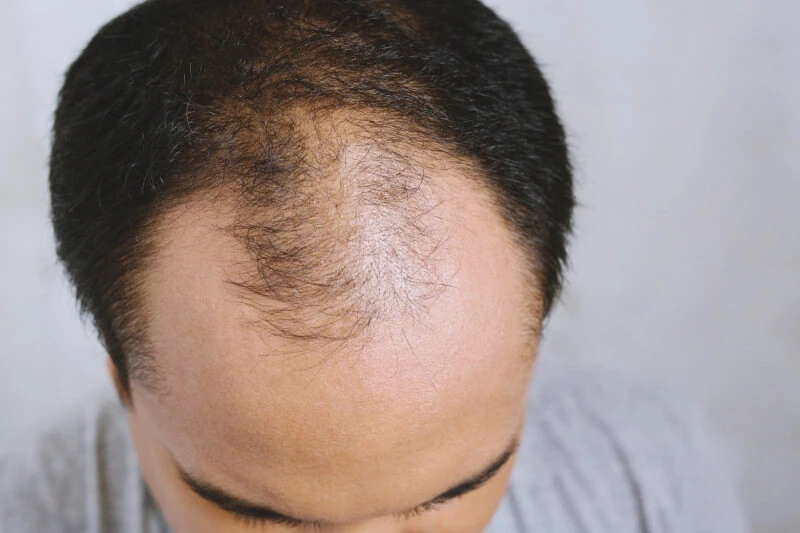
Hair loss can significantly impact an individual's confidence and overall quality of life. Fortunately, advancements in hair restoration have introduced a variety of effective options tailored to meet diverse needs. If you're exploring solutions, understanding the best Hair Replacement in Abu Dhabi options available can help you make an informed decision suited to your lifestyle and aesthetic goals. This guide provides a comprehensive overview of these options, emphasizing their features, benefits, and suitability.
Understanding Hair Replacement: An Overview
Hair replacement techniques aim to restore hair density and natural appearance by supplementing or transplanting hair into areas experiencing thinning or baldness. The process can involve surgical interventions, non-surgical procedures, or innovative technologies designed to stimulate hair growth or mimic natural hair.
Types of Hair Loss and How They Influence Treatment Choice
Different types of hair loss, such as male or female pattern baldness, alopecia areata, or scarring alopecia, require tailored approaches. Recognizing the pattern and extent of hair loss helps determine the most appropriate hair replacement method, ensuring natural results and longevity.
Surgical Hair Replacement Options
Surgical procedures are among the most permanent solutions for hair restoration, offering a natural look and long-lasting results when performed by skilled specialists.
Hair Transplantation Techniques
Follicular Unit Transplantation (FUT)
FUT involves removing a strip of scalp from a donor area, typically the back of the head, and dissecting it into individual follicular units. These units are then transplanted into areas with thinning or bald patches. This method allows for the transfer of a larger number of grafts in a single session, resulting in substantial coverage.
Follicular Unit Extraction (FUE)
FUE is a minimally invasive technique where individual hair follicles are extracted directly from the donor area using a specialized punch tool. These follicles are then implanted into the recipient areas. FUE often results in minimal scarring, quicker healing, and a natural appearance.
Suitability and Benefits of Surgical Options
Surgical methods are ideal for individuals with stable hair loss patterns and sufficient donor hair. They offer permanent results and can be customized to match natural hairline design and density preferences.
Non-Surgical Hair Replacement Options
Non-surgical solutions cater to individuals seeking less invasive alternatives or those not suitable for surgery.
Hair Fibers and Concealers
These products are designed to temporarily conceal thinning areas by attaching to existing hair, creating the illusion of fuller hair. They are easy to apply, affordable, and ideal for special occasions or daily use.
Wigs and Hairpieces
High-quality wigs and hairpieces provide immediate full coverage and can be customized for a natural look. Modern designs are lightweight, comfortable, and available in various styles to match personal preferences.
Scalp Micropigmentation
This technique involves depositing pigment into the scalp to mimic the appearance of hair follicles, creating a shaved or closely cropped hair look. It offers a semi-permanent solution for those with extensive hair loss or scarring.
Platelet-Rich Plasma (PRP) Therapy
PRP involves injecting platelet-rich plasma derived from the patient's blood into the scalp to stimulate hair growth. It is a minimally invasive procedure that can enhance the effectiveness of other treatments.
Innovative Technologies and Future Trends
Emerging technologies are continually enhancing hair restoration options, making procedures more natural, less invasive, and accessible.
Low-Level Laser Therapy (LLLT)
Using laser devices, LLLT stimulates hair follicles to promote growth and improve hair density. It is a non-invasive, pain-free treatment suitable for various stages of hair loss.
Stem Cell Therapy
Research into stem cell treatments aims to regenerate hair follicles and reverse hair thinning. Though still in developmental stages, these therapies hold promise for future hair restoration solutions.
Customized Hair Systems
Advancements in hair system manufacturing allow for highly personalized hairpieces that blend seamlessly with existing hair, providing a natural appearance with minimal maintenance.
Factors to Consider When Choosing a Hair Replacement Option
Selecting the most suitable method involves evaluating various factors to ensure optimal results.
Hair Loss Extent and Pattern
The severity and pattern of hair loss influence the choice of treatment. For extensive baldness, surgical options may be more effective, whereas localized thinning might respond well to non-surgical methods.
Donor Hair Availability
The amount and quality of hair available in donor areas determine the feasibility of transplantation procedures. Adequate donor hair is essential for achieving natural, dense coverage.
Lifestyle and Personal Preferences
Some individuals prioritize minimally invasive procedures or quick recovery times, guiding their choice toward non-surgical options. Others may prefer permanent solutions regardless of recovery periods.
Long-Term Expectations and Maintenance
Understanding the maintenance requirements and longevity of each treatment ensures realistic expectations and satisfaction with the results.
The Role of Consultation in Hair Replacement Planning
A thorough consultation with qualified specialists is crucial for developing a personalized treatment plan. Professionals assess hair loss patterns, discuss goals, and recommend the most suitable options based on individual circumstances.
Post-Treatment Care and Maintenance
Proper aftercare enhances the longevity of results and maintains scalp health. This includes following specific hygiene protocols, using recommended hair care products, and attending follow-up appointments for progress assessment.
Conclusion
Choosing the right hair replacement option depends on a comprehensive understanding of available techniques, individual needs, and desired outcomes. Advances in medical technology have made hair restoration more effective and accessible than ever before. Whether opting for surgical procedures like hair transplants or non-invasive treatments, consulting with experienced specialists ensures tailored solutions that deliver natural and satisfying results.
FAQs
1. What is the most natural-looking hair replacement method?
The most natural-looking results are typically achieved through surgical hair transplantation techniques, such as FUE or FUT, which transplant your own hair follicles to recreate a natural hairline and density.
2. How long does it take to see results after hair restoration?
While individual experiences vary, initial hair growth often becomes visible within three to four months post-treatment, with full results developing over 9 to 12 months.
3. Can hair replacement treatments be combined?
Yes, combining different treatments, such as hair transplants with PRP therapy or laser treatments, can enhance overall results and address various aspects of hair loss.
4. Is hair replacement suitable for all types of hair loss?
Most options are suitable for common hair loss patterns like male or female pattern baldness. However, specific conditions, such as scarring alopecia or diffuse thinning, require personalized assessments to determine the best approach.