



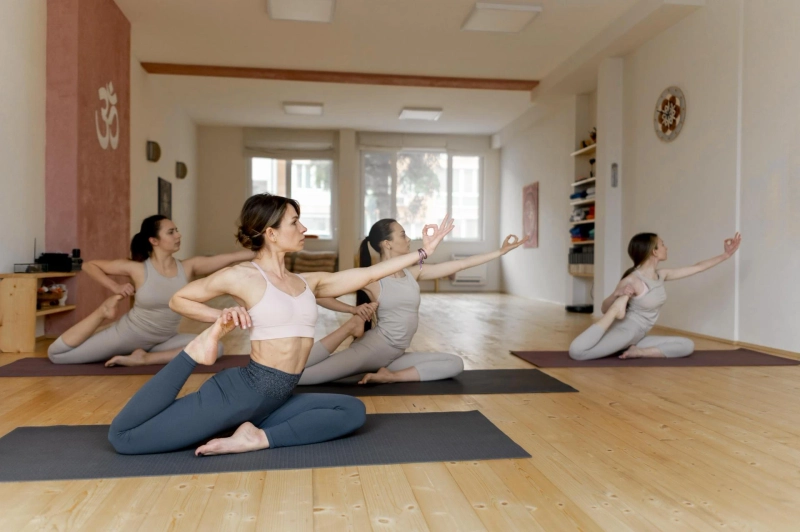
Finding time to move in a busy city can feel hard. Between work, family, and daily tasks, making room for exercise often falls to the bottom of the list. Yet the body needs to move, and the mind gains from moments of focus. Having a practice spot close to public transport takes away one reason to skip. When the trip to class takes little effort, showing up becomes easier. This piece examines how practising yoga and Pilates in a well-placed studio can benefit both body and mind.
The area around Farrer Park gives more than just a good spot. It offers a place where people can leave the rush and step into a space made for wellness. A studio near the station makes it easy to come often without adding travel stress. The mix of yoga's flowing moves and Pilates' core work creates a balanced way to get fit. Together, these practices build strength, stretch, and a sense of being grounded that stays with you after class.
What Yoga Does for the Body
Yoga ties breath to movement, making a flow that stretches and builds strength. Each pose works different muscle groups while helping the body let go of tight spots.
The practice builds strength over time without pushing the body too far. It also helps with balance, both in how you stand and how you face problems. Regular sessions leave you feeling longer, looser, and more in touch with your body.
1. Building Stretch
Yoga helps muscles grow longer bit by bit. The poses work through ways of moving that daily tasks rarely use, loosening tight spots from sitting or doing the same moves over and over.
2. Gaining Strength
Holding poses builds muscle in parts of the body that often get ignored. The body learns to hold itself up through balance and good form rather than just pushing through.
What Pilates Adds
Pilates focuses on core strength and careful movement. The practice works deep belly muscles, the back, and the small muscles that help with good posture. Each move puts care into being exact rather than going fast.
This way of moving builds a strong base that helps with other physical tasks. A strong core keeps the spine safe during daily activities like lifting, bending, or carrying things.
1. Core Strength
Pilates works the deep muscles around the middle of the body. A strong core gives a solid base for all moves, cutting down stress on the lower back.
2. Better Posture
The practice shows how to line up the body well during moves and when still. Good posture eases tightness in the neck and shoulders.
Why Spot Matters for Doing It Often
A practice spot close to transport makes it easier to show up. When the studio sits steps from the station, the mental block to going drops. The trip becomes part of the routine, not a hurdle.
Yoga and Pilates Farrer Park MRT spots give this edge. They put wellness within easy reach for those coming from nearby areas. The ease makes coming often easier, which gives better results than just going once in a while.
1. Less Travel Stress
A short trip leaves more energy for the class itself. Showing up without rushing through traffic sets a peaceful mood before the class starts.
2. Fits into Daily Path
Putting a class between work and home makes fitness part of the day's flow. The studio becomes a stop on the trip, not a side trip.
How the Two Work Together
Yoga and Pilates share some gains while working on different parts of fitness. Together, they make a full way to get fit. Yoga builds stretch and focus, while Pilates builds core strength and steadiness.
The pair works the whole body. Stretching from yoga lets you go deeper into Pilates moves. Strength from Pilates helps you hold yoga poses with more control.
1. Balanced Muscle Work
Yoga stretches muscles that may get tight from doing the same things over and over. Pilates works the small muscles that hold joints in place.
2. Stopping Injuries
A body that moves well and holds itself up gets hurt less. The pair builds strength that helps during daily tasks.
Mental Gains from Doing It Often
Moving the body does more than change how you look. It gives a way to step away from constant thoughts and into the now. The focus needed during class leaves no room for outside worries.
This mental break gives gains that go beyond the studio. Those who do it often say they think more clearly, handle stress better, and sleep more soundly.
1. Stress Relief
Moving the body lets go of tightness held in muscles. The focus on breath in both practices tells the body to shift toward rest.
2. Clear Thinking
The focus needed during class gives a break from constant mental chatter. This pause lets thoughts settle.
Gains That Add Up Over Time
Doing it often gives results that build on each other. A stretch gained one week lets you go deeper the next. Strength built in one class helps with harder moves later on.
The build-up changes how the body feels and works. Daily moves get easier. Posture gets better without even thinking about it.
1. More Ways to Move
Regular stretching and strengthening slowly grow how far the body can move. This freedom makes daily tasks feel less hard.
2. Strength for Real Life
The strength built helps with real-world moves. Lifting, carrying, and reaching all get easier.
Making a Practice That Lasts
The key to lasting gains is doing it often, not doing it hard. A plan that fits into daily life gives better results than short bursts of hard work. The spot of the studio helps keep this going.
When the studio sits close to transport, showing up becomes part of the day. The practice weaves into life instead of fighting with other tasks.
1. Picking the Right Pace
Two or three classes a week often give enough push for growth without burning out.
2. Listening to Your Body
A lasting practice means knowing what your body needs each day. Some days need work; other days need ease.
Finding Your Spot Near Farrer Park
Finding a studio with both yoga and Pilates under one roof makes the wellness trip easier. Having both in the same space lets you switch between practices to suit your needs. Some weeks may call for more flow; others may need more core work.
A studio near the station takes away reasons to skip. The ease helps you show up even on days when you feel less like going. Yoga and Pilates Farrer Park MRT spots give this mix of ease and choice.
Conclusion
Mixing yoga and Pilates gives a balanced way to care for body and mind. The two practices work well together, building stretch and strength while growing focus and being in the now. Easy access to a studio takes away reasons to skip, making it easier to show up often. Yoga and Pilates locations near Farrer Park MRT make wellness accessible in daily life. Interior Plus Design knows how key it is to make spaces where people can put time into their health and well-being. The gains from a steady practice go beyond the studio, helping the body move and how the mind handles daily tasks.
FAQ
1. Do I need to have done yoga or Pilates before starting?
No, you do not need any past work. Beginners find kind classes where teachers guide you through the basics with clear steps and changes.
2. How many times a week should I go to see a change?
Two or three times a week usually gives clear gains in stretch, strength, and body sense. Doing it often matters more than how long each class is.
3. Can I do both yoga and Pilates in the same week?
Yes, going back and forth between the two gives even growth. Yoga builds stretch and flow, while Pilates builds core strength and careful moves.
4. What should I wear to class?
Wear loose clothes that let you move well. Fitted tops and leggings or shorts work well, so teachers can see how you line up during poses.