



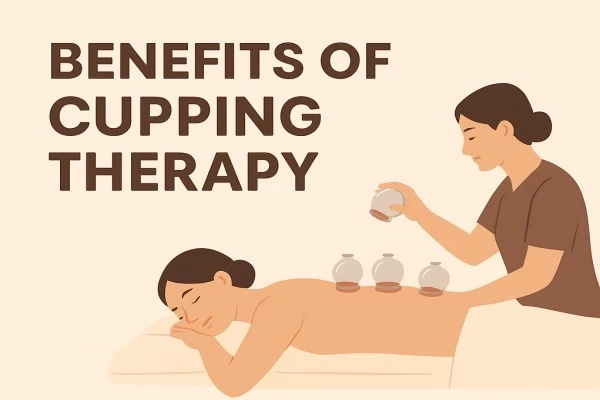
Cupping therapy is an ancient healing practice that has gained popularity in recent years, thanks to athletes, wellness enthusiasts, and holistic health practitioners embracing its benefits. Originating from Traditional Chinese Medicine (TCM) and used for thousands of years across cultures, cupping involves placing special cups on the skin to create suction. This suction stimulates blood flow, relieves tension, and promotes overall healing.
But what exactly are the benefits of cupping therapy, and why are so many people turning to it? Let’s explore in detail.
1. Pain Relief and Muscle Recovery
One of the primary reasons people seek cupping therapy is to reduce muscle pain and soreness. The suction created by the cups improves blood circulation to the targeted area, helping release muscle knots and stiffness. Athletes often use cupping as part of their recovery routine after intense workouts to speed up healing and reduce inflammation.
Key benefit: Natural relief from back pain, neck pain, shoulder tension, and sports-related injuries.
2. Improved Blood Circulation
Cupping stimulates blood flow to the affected area, encouraging oxygen and essential nutrients to reach tissues more effectively. This increased circulation not only reduces pain but also accelerates the body’s natural healing process.
Key benefit: Better circulation helps repair damaged cells and promotes faster recovery.
3. Stress and Anxiety Reduction
Cupping is not just about physical healing—it also supports emotional well-being. The therapy has a calming effect on the nervous system, which can help reduce stress and anxiety. Many patients report feeling deeply relaxed after a session, similar to the benefits of massage therapy.
Key benefit: Promotes relaxation and mental clarity while reducing stress-related symptoms.
4. Detoxification Support
The suction from cupping draws stagnant blood and toxins closer to the surface of the skin, where they can be naturally processed and eliminated by the body. This process supports the lymphatic system, which plays a key role in detoxification and immune function.
Key benefit: Helps flush out toxins and supports overall health.
5. Relief from Respiratory Issues
Historically, cupping has been used to help relieve symptoms of respiratory conditions such as asthma, bronchitis, and colds. By improving circulation and loosening mucus, it can ease breathing difficulties and support lung function.
Key benefit: Natural support for respiratory health and immunity.
6. Improved Skin Health
Cupping therapy can improve skin tone and texture by increasing blood flow and stimulating collagen production. It is also believed to help reduce the appearance of cellulite and promote a healthy glow.
Key benefit: Enhances skin vitality and may reduce cellulite and stretch marks.
7. Headache and Migraine Relief
For people struggling with frequent headaches or migraines, cupping can provide significant relief. By reducing muscle tension and improving circulation, it addresses some of the underlying triggers of chronic headaches.
Key benefit: A natural, non-invasive way to manage headaches and migraines.
What to Expect During a Cupping Session
During a typical session, a therapist places glass, silicone, or bamboo cups on specific areas of the body. The cups create suction either through heat or a pump. You may feel a tight sensation on your skin, which usually becomes more relaxed after a few minutes. Temporary circular marks may appear on your skin, but they usually fade within a week.
Final Thoughts
Cupping therapy in Orange, CA offers a wide range of physical and mental health benefits—from pain relief and improved circulation to stress reduction and skin rejuvenation. While it’s generally safe, it should always be performed by a trained professional, especially if you have underlying health conditions.