



Introduction
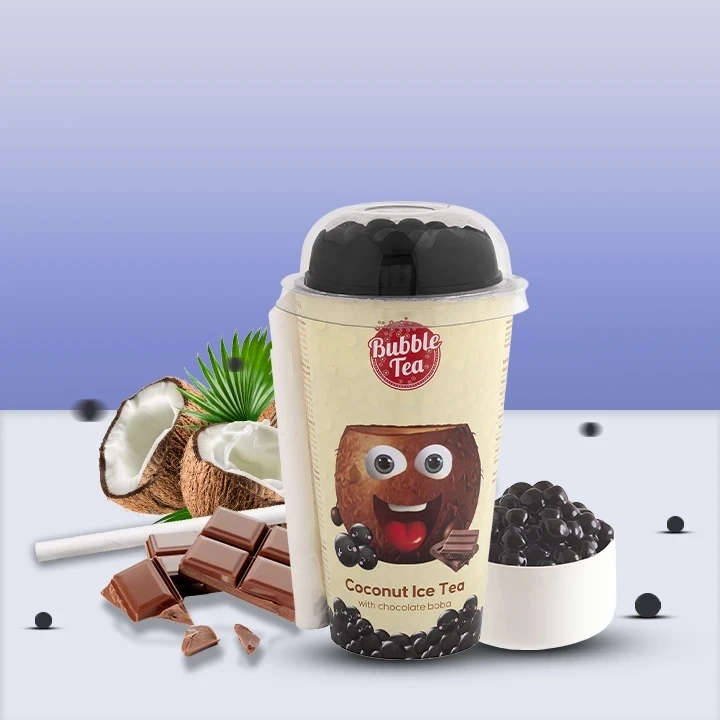
If you’ve ever tried bubble tea, you know that the chewy or juicy “balls” at the bottom of the cup are what make this drink so iconic. But for newcomers, one question is almost always asked: What are the balls in bubble tea made of?
These little add-ons are known as tapioca pearls or popping boba, and they transform bubble tea into a one-of-a-kind experience. In this article, we’ll break down what these balls are, how they’re made, their nutritional value, and why they’ve become the heart of bubble tea culture.
What Are the Balls in Bubble Tea?
The balls in bubble tea are generally of two main types:
- Tapioca Pearls (Traditional Boba)
- Made from tapioca starch extracted from the cassava root.
- Boiled until chewy, then soaked in brown sugar or syrup for flavor.
- They are black or dark brown in color due to caramel or brown sugar coating.
- Popping Boba (Fruit-Filled Pearls)
- Created using a process called spherification.
- Have a thin, gel-like outer layer that bursts with fruit juice when bitten.
- Available in flavors like mango, strawberry, lychee, and passion fruit.
Both types of balls bring unique texture and flavor to bubble tea, making every sip exciting.
How Are Tapioca Pearls Made?
Tapioca pearls have a simple yet fascinating origin:
- Step 1: Cassava root is harvested and processed into tapioca starch.
- Step 2: The starch is mixed with hot water until it forms a dough.
- Step 3: The dough is rolled into small balls and dried.
- Step 4: Pearls are boiled until they become soft and chewy.
- Step 5: They’re flavored with brown sugar, honey, or syrups before being added to tea.
This process gives pearls their distinct chewiness, also known as the “QQ” texture in Taiwanese cuisine.
What Is Popping Boba Made Of?
Unlike tapioca pearls, popping boba is made using molecular gastronomy techniques.
- Ingredients: Fruit juice, water, sodium alginate, and calcium chloride.
- Process: When fruit juice mixed with sodium alginate is dropped into a calcium solution, it forms a thin gel-like skin while keeping the liquid inside.
- Result: Small, colorful pearls that burst in the mouth with a splash of juice.
Popping boba is especially popular in fruity bubble tea variations, yogurt drinks, and even desserts.
Are the Balls in Bubble Tea Healthy?
When asking, what are the balls in bubble tea made of, many also wonder if they’re healthy.
Tapioca Pearls:
- Calories: High in carbohydrates and starch, providing quick energy.
- Nutrition: Low in vitamins, protein, and fiber.
- Best in moderation since they add extra calories without much nutrition.
Popping Boba:
- Calories: Generally lighter than tapioca pearls.
- Nutrition: Contains fruit flavors but may also have added sugars.
- Fun alternative for those seeking variety and fruity bursts.
Why Are Bubble Tea Balls So Popular?
The chewy pearls or bursting boba aren’t just about taste—they’re about the experience:
- Texture Play: They add a layer of fun, making bubble tea interactive.
- Customization: From chewy tapioca to fruity popping boba, customers can pick their favorite.
- Cultural Symbol: Tapioca pearls are deeply tied to Taiwanese street food culture.
- Global Trend: Available worldwide through shops and suppliers like bubbleteaworldwide.com.
Final Thoughts
So, what are the balls in bubble tea made of? In short, they’re either chewy tapioca pearls crafted from cassava root starch or popping boba made with fruit juice using spherification. Both toppings define the bubble tea experience, offering texture, flavor, and fun in every sip.
Whether you prefer the classic chew of tapioca or the juicy pop of fruit pearls, bubble tea wouldn’t be the same without them.
FAQs
1. Are tapioca pearls vegan?
Yes, tapioca pearls are plant-based since they’re made from cassava root starch, though preparation methods may vary by shop.
2. Do popping boba contain real fruit?
Some popping boba contain real fruit juice, but many also include flavorings and sweeteners.
3. Can you eat bubble tea balls on their own?
Yes, both tapioca pearls and popping boba can be eaten as toppings in desserts, yogurt, or smoothies.