



During major bushfires, most homes are not lost to towering flames. They are lost to embers.
Small. Airborne. Relentless.
Fire authority data consistently shows that ember attack accounts for the majority of house losses during bushfires. These burning fragments can travel kilometres ahead of the fire front, entering roof gaps, vents, and valleys long before flames arrive. Once inside a roof cavity, ignition can happen quietly — and spread rapidly.
This is where ember guards become a critical part of roof protection.
What Exactly Are Ember Guards?
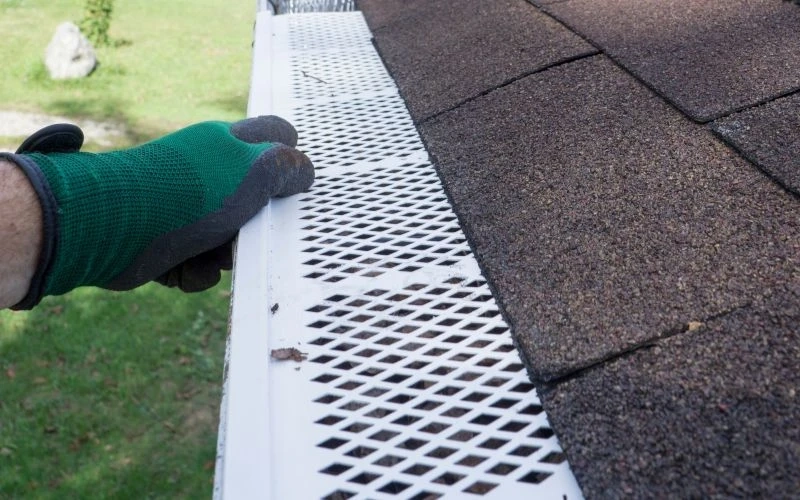
Ember guards are fine, heat-resistant metal mesh barriers installed over vulnerable roof openings. Their function is simple but effective: stop embers from entering while allowing airflow and drainage to continue.
They are commonly installed on:
- Roof vents and exhaust openings
- Valleys and box gutters
- Eaves and ridge lines
- Chimneys and skylight penetrations
By blocking ember entry, these guards reduce the chance of internal roof fires starting unseen.
How Ember Guards Reduce Bushfire Risk
Embers exploit weakness. Small gaps. Poor detailing.
Once embers lodge inside a roof cavity, they can ignite dry timber, insulation, or debris trapped in gutters and valleys. Ember guards reduce this risk by sealing off the most common access points before ignition occurs.
They work best when combined with sealed flashings, clean gutters, and fire-resistant roof components.
When Ember Guards Should Be Installed
The ideal time to install ember guards is during planned roof works.
During professional roof repairs in Epping, damaged vents, deteriorated flashings, and hidden entry points are often uncovered. Installing ember protection at this stage strengthens the roof without added disruption.
Likewise, during high-quality roof restoration in Mulgrave, ember guards integrate seamlessly with cleaning, re-pointing, sealing, and drainage improvements, forming a more resilient roof system overall.
What Ember Guards Can — and Cannot — Do
Ember guards significantly reduce the risk of ember entry, but they are not a complete fire solution.
They do not replace:
- Fire-resistant roof sarking
- Proper roof ventilation design
- Regular gutter and debris maintenance
- Sealed gaps around penetrations
Bushfire protection is most effective when multiple layers work together.
FAQs About Ember Guards (PAA Style)
Do ember guards actually stop house fires?
Ember guards reduce the risk of fires starting inside roof cavities by blocking ember entry, which is one of the leading causes of house loss during bushfires.
Where should ember guards be installed on a roof?
They are most effective on vents, valleys, gutters, ridges, chimneys, and any opening where embers can enter the roof space.
Are ember guards required for bushfire-prone homes?
In many high-risk areas, ember protection is strongly recommended and may be required under bushfire construction standards or BAL ratings.
Final Thoughts
Bushfires expose the smallest roof weaknesses first. Embers find gaps long before flames arrive. Ember guards do not fight fire directly. They prevent fire from starting where it causes the most damage — inside the roof.
When installed as part of broader roof maintenance or restoration, they add a powerful layer of protection that lasts well beyond fire season.