



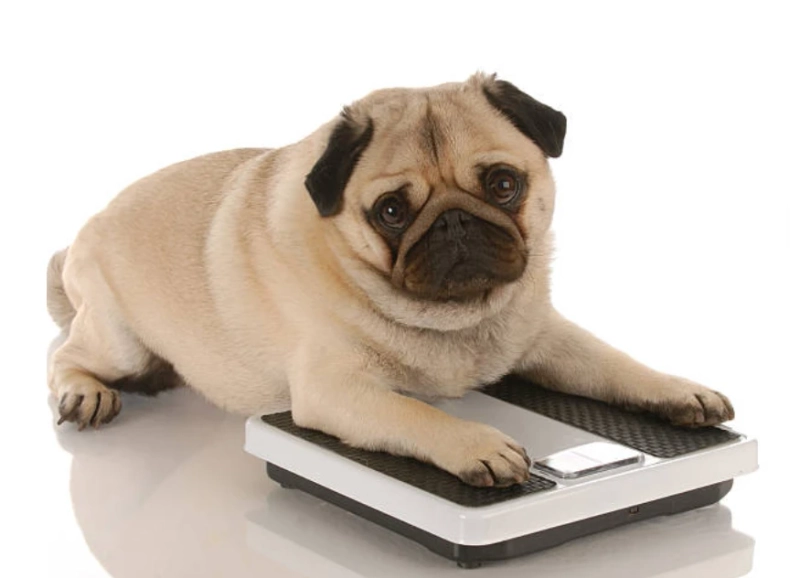
Weighing animals accurately is a fundamental aspect of livestock management, veterinary care, and research. Proper weight monitoring helps ensure animal health, optimize feeding, manage breeding programs, and comply with regulatory requirements. To achieve this, businesses and individuals rely on animal scales—specialized weighing equipment designed to handle the unique challenges of measuring live animals.
What Are Animal Scales?
Animal scales are weighing devices specifically designed for animals, ranging from small pets to large livestock. Unlike standard platform scales, animal scales are built to account for:
- Animal movement during weighing
- Safety of both the animal and the handler
- Durability in agricultural or veterinary environments
- Hygienic design for easy cleaning and maintenance
These scales provide accurate and reliable weight measurements, which are crucial for health monitoring, medication dosing, and farm management.
Why Are Animal Scales Important?
Accurate weight measurement of animals serves multiple purposes across different industries:
- Health Monitoring: Regular weighing allows veterinarians and caretakers to track growth, detect health issues, and adjust diets. Sudden weight loss or gain can indicate underlying health problems.
- Feed Management: Farmers and livestock managers can optimize feeding programs based on precise weight data, improving growth rates and reducing feed waste.
- Breeding Programs: Proper weight data helps identify animals ready for breeding and ensures safe gestation and delivery.
- Regulatory Compliance: Certain industries, such as meat production or transport, require accurate animal weights to comply with legal standards for safety and welfare.
- Medication and Dosage Accuracy: Correct dosing of vaccines or medications often depends on precise weight measurement to ensure efficacy and prevent harm.
Types of Animal Scales
There are several types of animal scales, each suited to different animals, environments, and purposes.
1. Small Animal Scales
- Designed for pets, laboratory animals, and small livestock like rabbits, guinea pigs, and small poultry.
- Usually digital platform scales with high precision.
- Features may include tare functions, removable trays, and anti-slip surfaces for safety.
2. Livestock Scales
- Used for cattle, sheep, pigs, and goats.
- Often include cages or rails to contain animals and prevent movement during weighing.
- Digital livestock scales may integrate with data recording systems for easy tracking of individual animals.
- High weight capacity to accommodate large animals, typically up to several hundred kilograms or more.
3. Hanging Scales for Livestock
- Ideal for poultry, smaller pigs, or other suspended animals.
- Animals are typically weighed in slings or nets.
- Portable and easy to use in field conditions.
4. Specialty Veterinary Scales
- Designed for clinics and research facilities.
- Features may include high precision, animal-specific programming, and integration with medical records.
Key Features of Animal Scales
When selecting an animal scale, it’s important to consider features that ensure safety, accuracy, and ease of use:
- Weight Capacity: Choose a scale that can accommodate the heaviest animals you intend to weigh. Livestock scales can range from a few kilograms to over a ton.
- Precision and Accuracy: High accuracy is essential for health monitoring and regulatory compliance. Small animal scales may measure in grams, while livestock scales often measure in kilograms.
- Durability: Livestock scales are often exposed to rough conditions, including moisture, dirt, and uneven terrain. Stainless steel or powder-coated platforms are ideal for longevity.
- Animal Safety Features: Enclosures, non-slip surfaces, and rails help prevent injury to animals and handlers.
- Portability: Some scales are designed to be portable for field use, while others are stationary for farm or clinic use.
- Data Integration: Modern digital scales may store weight data, integrate with management software, or allow tracking of individual animals over time.
Benefits of Using Animal Scales
Investing in proper animal weighing equipment brings a host of benefits:
1. Improved Animal Health and Welfare
Regular monitoring helps detect illness, malnutrition, or abnormal growth early, allowing timely intervention and treatment.
2. Operational Efficiency
For farms and veterinary clinics, digital animal scales streamline processes, reduce manual errors, and save time compared to estimating or recording weights manually.
3. Accurate Feeding and Nutrition Management
By knowing exact weights, caretakers can calculate feed rations accurately, reducing waste and promoting optimal growth.
4. Compliance and Record-Keeping
Many regulatory authorities require detailed records of animal weights for food safety, transport, and veterinary purposes. Digital scales with automatic data logging make compliance easier.
5. Supports Breeding and Production Goals
Tracking weight over time allows farmers to make informed decisions about breeding, culling, or market readiness, improving herd productivity and profitability.
Choosing the Right Animal Scale
Selecting the right animal scale requires understanding your specific needs and operational environment:
- Type of Animal: Small pets, livestock, and poultry require different scales. Make sure the scale is suited to the species you are weighing.
- Frequency of Use: For high-volume operations, durable, high-capacity digital scales with automatic data capture are recommended.
- Environment: Consider weatherproof, easy-to-clean models for farms versus compact, high-precision scales for veterinary clinics.
- Budget vs. Features: Balancing cost with features like digital displays, connectivity, and data logging is important for long-term value.
Maintenance and Calibration
To ensure consistent accuracy and longevity, animal scales require proper maintenance:
- Regular Calibration: Ensures readings remain precise. Some scales may require professional calibration, especially in veterinary or regulatory contexts.
- Cleaning: Frequent cleaning prevents contamination and maintains hygiene, particularly for scales used with multiple animals.
- Inspection: Check for wear, loose parts, or damage to rails and platforms to prevent accidents.
Proper maintenance prolongs the life of the scale and guarantees reliable weight measurements over time.
Conclusion
Animal scales are an essential tool for anyone managing, caring for, or studying animals. They provide accurate, reliable, and safe measurements that support health monitoring, feeding, breeding, and regulatory compliance. By understanding the types, features, and benefits of animal scales, beginners and experienced operators alike can make informed decisions that enhance animal welfare and operational efficiency.
Whether you are running a veterinary clinic, managing a livestock farm, or conducting research, investing in the right animal scale ensures your animals are accurately monitored, your records are reliable, and your operations run smoothly. Accurate weighing is more than just numbers—it’s a cornerstone of responsible animal care and effective management.