



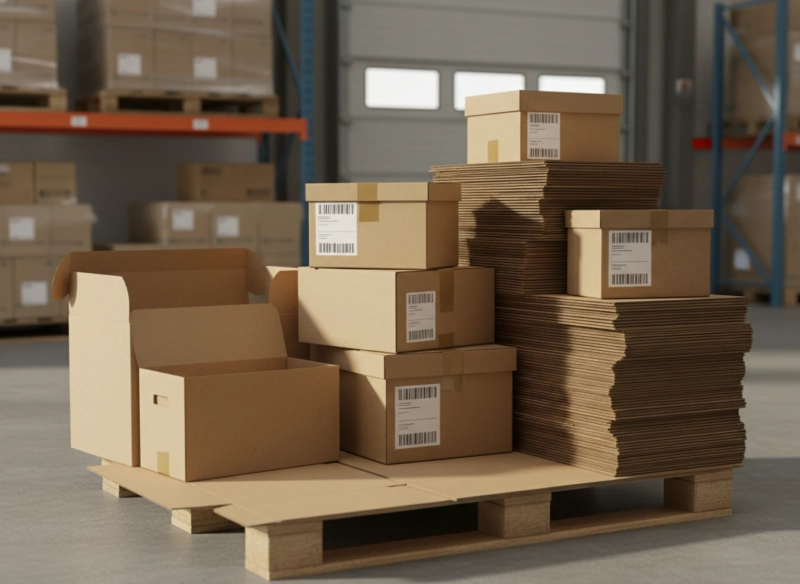
Mailer boxes are rarely opened only once.
They are opened during packing. Sometimes reopened to check contents. Opened again by the customer. Occasionally resealed for returns. In subscription or replacement orders, the same box design may go through this cycle hundreds or thousands of times across different deliveries.
Yet most mailer packaging is evaluated as if opening is a single event.
That mismatch between assumption and reality explains why repeated opening quietly exposes weaknesses that never appear during initial approval.
This article looks at what repeated opening actually reveals about mailer box design — not in theory, but in use.
The First Opening Is the Least Demanding One
The first opening of a mailer box is always the easiest.
The folds are crisp. The fibres are tight. Resistance feels deliberate. Closures respond cleanly.
At this stage, almost every box performs well.
Problems begin with the second and third opening — when fibres have already been bent once, tension has shifted slightly, and fold memory begins to change.
This is where design differences start to matter.
Why Repeated Opening Is Structurally Different From Transit Stress
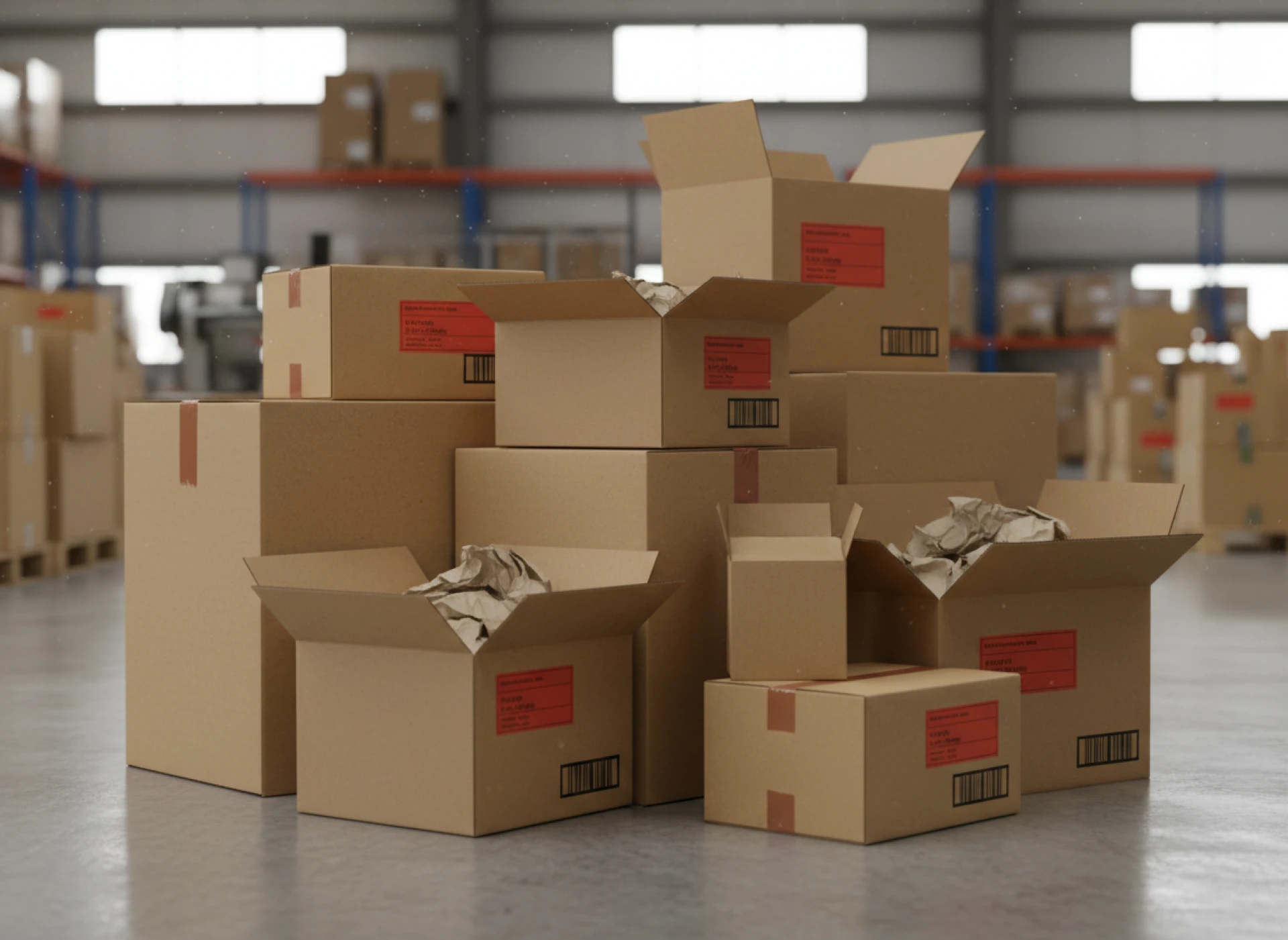
Transit places load on panels and corners.
Opening places stress on specific lines — repeatedly.
Each opening concentrates movement into the same areas:
- hinge folds
- locking flaps
- tuck panels
- closure tabs
Unlike compression or impact, opening stress is localised. It affects narrow zones again and again.
Mailer boxes that tolerate transit well can still struggle under repeated opening because the stress pattern is entirely different.
Hinge Behaviour Is the First Indicator
The hinge fold reveals more about a mailer box than any other element.
After several openings, one of three things happens:
- The hinge softens evenly and continues to operate smoothly
- The hinge stiffens and resists closing
- The hinge loosens and loses alignment
Only the first outcome indicates balanced design.
When a hinge stiffens, fibres are cracking internally.
When it loosens, fibres are collapsing.
Both conditions shorten the usable life of the box.
Good hinge design allows controlled flex — not rigidity, and not slack.
Why Sharp Creases Cause Early Fatigue
Very sharp creases look clean when new. They photograph well. They feel precise.
But sharp creases concentrate stress into a narrow fibre zone.
With each opening, that zone bends along the same line until fibre recovery weakens.
Over time, the hinge no longer returns to position. The lid begins to sit slightly high or slightly low.
This is not damage — it is fatigue.
Mailer boxes designed with slightly relieved folds age far more predictably, even if they appear less crisp on day one.
Closure Tabs Reveal Design Priorities Quickly
Closure tabs often show stress earlier than panels.
If a closure relies on tension alone, repeated opening gradually reduces holding force. The box still closes, but without confidence.
If a closure relies on geometry — overlap, angle, or interlock — performance remains more consistent.
Repeated opening reveals whether a design depends on material strength or structural logic.
Material weakens. Geometry endures.
Why Some Boxes Feel “Loose” After Minimal Use
Customers often describe boxes as feeling loose without visible damage.
This sensation usually comes from micro-movement at connection points.
Panels still meet. Tabs still insert. But tolerances have widened slightly.
That widening compounds with every opening.
The box functions, but it no longer feels intentional.
This subtle loss of precision affects perception far more than outright tearing ever would.
Repeated Opening Highlights Fibre Recovery
Paperboard behaves elastically — to a point.
After bending, fibres attempt to recover. Repeated bending reduces that recovery ability.
Mailer boxes that hold shape well are those whose design distributes bending across wider areas rather than forcing it into a single fold.
When recovery is shared, fatigue slows.
When recovery is localised, degradation accelerates.
This is why two visually similar boxes can behave very differently after a week of use.
How Opening Direction Influences Longevity
Opening direction matters.
Boxes that open against flute direction experience higher resistance and greater fibre stress. Boxes that open with flute direction move more naturally.
This detail is rarely discussed during specification, yet it strongly influences repeated-use performance.
Designers may not see this on screen. Packers feel it immediately.
Over time, that resistance becomes wear.
Why Repeated Opening Affects Customer Behaviour
Most customers do not consciously assess packaging.
They respond instinctively.
A box that opens smoothly encourages engagement.
A box that resists opening creates friction.
A box that no longer closes properly feels disposable.
This influences whether packaging is reused, stored, or discarded.
Repeated opening therefore shapes not just durability — but behaviour.
Common Design Elements That Struggle With Repeated Opening
- ultra-tight locking tabs
- unsupported long hinge lines
- minimal overlap closures
- very rigid board without flex allowance
These elements often perform well initially and degrade quickly thereafter.
Their weakness is not poor manufacturing, but lack of tolerance.
Packaging that expects perfection rarely survives repetition.
Why Reuse Exposes Design More Than Delivery
Delivery happens once.
Opening may happen many times.
This is why reuse — intentional or accidental — exposes design quality more clearly than transit ever could.
Boxes reused for returns, storage, or organisation reveal whether the structure was built to tolerate interaction.
Repeated opening is not misuse. It is normal behaviour.
Design that ignores it underperforms quietly.
Mailer Boxes as Moving Objects, Not Static Forms
Mailer boxes are often designed as objects.
In reality, they are mechanisms.
They hinge. They flex. They respond.
Treating them as static shapes limits performance.
Treating them as moving systems improves it.
This shift in thinking is increasingly visible in modern packaging development, especially where customer experience extends beyond first opening.
Why Testing Single Opens Isn’t Enough
Opening a box once confirms that it works.
Opening it ten times reveals how it behaves.
Many packaging issues only appear after repetition — when fibres relax, tolerances shift, and geometry begins to drift.
Testing repeated opening cycles exposes problems early, when they are still easy to correct.
This approach is becoming more common among businesses that prioritise consistency over novelty.
What Repeated Opening Ultimately Reveals
Repeated opening does not punish packaging.
It reveals it.
It shows whether design depends on rigidity or balance.
Whether closure relies on force or logic.
Whether movement was anticipated or ignored.
These qualities cannot be hidden long.
They surface naturally through use.
Final Perspective
Mailer box design is rarely tested by dramatic events. It is tested by repetition.
Each opening applies small stresses that accumulate quietly over time. Boxes that tolerate this repetition remain reliable. Boxes that resist it gradually lose precision.
Understanding how repeated opening affects structure helps businesses choose packaging that maintains confidence beyond first delivery.
This behaviour-led approach is why experienced UK packaging specialists such as I YOU PRINT focus less on how mailer boxes appear when new and more on how they perform after the fifth, sixth, or tenth interaction.
Because in real use, packaging quality is not revealed all at once.
It is revealed slowly — one opening at a time.