



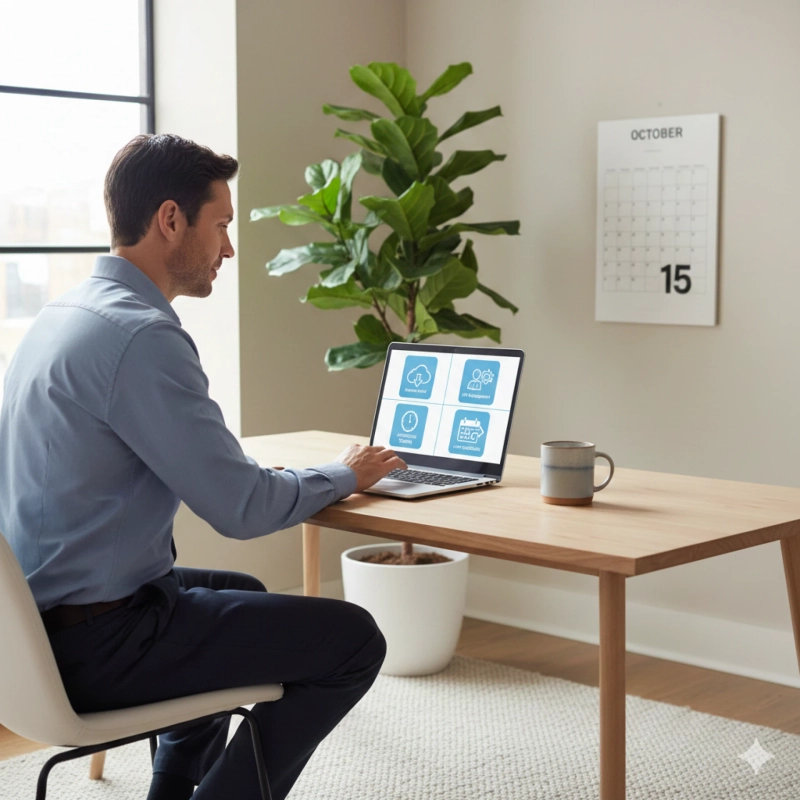
The modern workplace has undergone a massive transformation over the past few years, and one term that has become extremely common is WFH. Whether you’re an employee, HR professional, or business owner, understanding the WFH meaning, its usage, and implications is essential in today’s digital-first work culture.
This article explains the definition of WFH, its meaning in different contexts, how it is used professionally, and how it fits into workplace policies.
What Is the Meaning of WFH?
WFH stands for Work From Home. It refers to a work arrangement where employees perform their job responsibilities from their home instead of commuting to a physical office.
Originally considered a perk or temporary arrangement, WFH has now become a standard working model across industries such as IT, marketing, customer support, finance, and education.
Definition of WFH (Work From Home)
Work From Home (WFH) is a flexible work policy that allows employees to carry out their professional duties remotely using digital tools such as laptops, internet connectivity, project management software, and communication platforms.
This model enables organizations to maintain productivity while offering employees greater autonomy and work-life balance.
Why Is WFH So Popular?
The popularity of WFH has grown due to several key reasons:
1. Improved Work-Life Balance
Employees save commuting time and can better manage personal responsibilities alongside work.
2. Increased Productivity
Many professionals find fewer office distractions when working from home, leading to improved focus.
3. Cost Savings
Both employers and employees save on infrastructure, transportation, and daily expenses.
4. Access to Global Talent
Companies can hire skilled professionals regardless of geographical boundaries.
Usage of WFH in Professional Communication
WFH is commonly used in emails, chats, attendance systems, and HR portals. Some common examples include:
- “I will be WFH today due to personal reasons.”
- “My manager has approved my WFH request for Friday.”
- “Please update your WFH status in the system.”
In many organizations, WFH requests are treated similarly to attendance or leave records, making documentation and approval workflows important.
WFH vs Office Work vs Leave
It’s important to understand how WFH differs from other work arrangements:
AspectWFHOffice WorkLeaveLocationHomeOfficeNot workingSalary ImpactNoNoDepends on leave typeAttendanceRequiredRequiredNot required
Unlike a Casual Leave Application, WFH does not mean the employee is unavailable for work. Instead, the employee is expected to remain productive, attend meetings, and meet deadlines.
Is WFH a Type of Leave?
No, WFH is not a leave. This is a common misconception.
- Casual Leave is taken for personal reasons when an employee is not working.
- WFH means the employee is working remotely and remains accountable for tasks.
However, some companies require employees to formally apply for WFH, similar to submitting a Casual Leave Application, to maintain attendance records and transparency.
Challenges of Work From Home
While WFH offers many benefits, it also comes with challenges:
- Communication gaps
- Difficulty separating personal and professional life
- Monitoring performance
- Data security concerns
These challenges make it essential for organizations to have structured policies and digital systems to manage remote work effectively.
Best Practices for Using WFH Effectively
To make WFH successful, companies and employees should:
- Define clear WFH policies
- Set measurable goals and expectations
- Use collaboration and HR management tools
- Maintain proper attendance and leave tracking
- Encourage regular communication and check-ins
Conclusion
Understanding the WFH meaning, definition, and usage is crucial in today’s evolving workplace environment. When managed properly, Work From Home can boost productivity, improve employee satisfaction, and reduce operational costs. However, it should be clearly differentiated from leave types such as a Casual Leave Application, with transparent policies and approval workflows in place. This is where smart workforce management solutions like Managetrix help organizations streamline WFH requests, attendance, and leave management efficiently—ensuring flexibility without compromising accountability.