



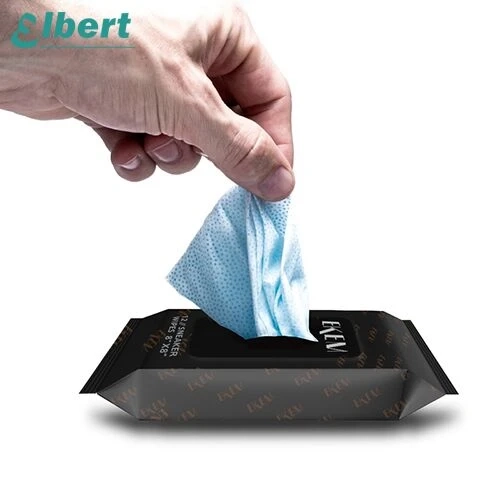
Wet wipes — sometimes called wet towels, moist towelettes, or disposable wipes — are pre-moistened pieces of nonwoven fabric designed for cleaning, hygiene, or sanitizing. They have become ubiquitous — used for babies, personal hygiene, household cleaning, disinfecting surfaces, and more — thanks to their convenience and versatility.
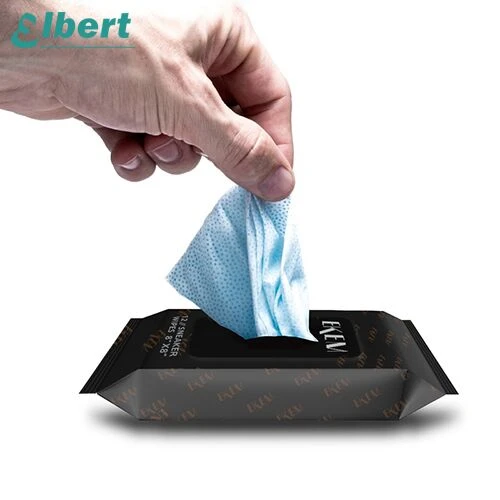
But despite seeming simple, producing quality wet wipes involves a careful choice of materials, precise manufacturing processes, and thoughtful formulation of the liquid solution.
The Key Ingredients: Nonwoven Fabric + Lotion
Nonwoven Fabric Substrate
At the heart of every wet wipe is a nonwoven fabric — a sheet of fibers bonded together without weaving.
- Common fibers include polyester, polypropylene, cotton, viscose (rayon), or wood-pulp-based fibers.
- A popular choice for baby wipes or wipes intended for skin contact is spun lace nonwoven fabric. Spun lace is made by entangling fibers (often synthetic + cellulosic) with water jets — creating a soft, cloth-like texture that’s strong yet gentle.
- For wipes needing more absorbency or biodegradability (e.g. flushable wipes), manufacturers may prefer cellulose-based fibers (cotton, wood pulp, viscose) rather than purely synthetic fibers.
The choice of substrate strongly influences a wipe’s performance: softness, strength (it must not shred when wet), absorbency, and suitability for skin or surfaces.
Wetting Solution (Lotion)
The other essential component is the liquid that moistens the fabric. Typically:
- The base is purified or reverse-osmosis (RO) water to avoid impurities that could affect shelf-life or irritate skin.
- To this water are added surfactants (for cleansing), moisturizers/emollients (like glycerin, aloe, vitamin E — especially for baby or skin wipes), and preservatives (to prevent microbial growth in the moist environment).
- Depending on the intended use, the formula may include disinfectants or antiseptics (for sanitizing wipes), or be left fragrance-free and mild (for sensitive skin or baby wipes).
Ultimately, a top-quality wet wipe combines an appropriate substrate with a well-crafted lotion tailored to use — whether delicate baby skin, makeup removal, surface cleaning, or disinfection.
How Wet Wipes Are Manufactured: Step by Step
Producing wet wipes at scale is a sophisticated, multi-stage process — often performed by automated “wet-wipes production lines.”
1. Material Preparation
Manufacturing begins by sourcing or producing nonwoven fabric — either internally or from external suppliers as “jumbo rolls.” These rolls can be quite large (wide, heavy) and are made to meet precise quality standards (weight, uniformity, fiber blend).
If the manufacturer produces their own fabric, they might blend fibers (e.g., viscose + polyester), card them into a web, then hydroentangle (spun lace) or bond them to form the substrate.
2. Cutting, Folding & Prepping the Fabric
Once the substrate is ready, it’s unwound from the roll, slit into lanes if needed, then cut to wipe-size (width and length) according to product design (baby wipe, facial wipe, surface wipe, etc.).
The individual wipes are often folded (C-fold, Z-fold, or quarter-fold) or interleaved so that, when placed in a package, they dispense one at a time (“pull-out” design) for convenience.
3. Wetting (Impregnation)
Next comes the key step: saturating the folded wipes with the prepared lotion. Machines either spray the lotion uniformly, or pass the fabric through rollers that dose the correct amount of liquid. This must be carefully controlled: too little moisture reduces effectiveness, too much can cause dripping or leakage.
Quality control is often embedded in the process — moisture levels, lotion dosage, and even microbial safety (for wipes intended for personal or baby use) are checked before packaging.
4. Packaging & Sealing
Once wetted, the wipes must be sealed quickly to preserve moisture and hygiene. Packaging formats vary:
- Soft packs (flow-wrapped pouches with resealable lids or adhesive tabs) — common for baby wipes, personal wipes, or facial wipes.
- Rigid plastic canisters or tubs — often used for larger surface-cleaning wipes or disinfectant wipes. Wipes may be rolled into a “log” and inserted.
- Single-use sachets — used for travel wipes, lens wipes, or single-sheet disposables.
Packaging must be moisture-resistant and resealable; many manufacturers also include lot codes and expiration dates for traceability and safety compliance.
5. Quality Control & Final Checks
Throughout the manufacturing line — from fabric to final packaging — multiple quality control (QC) checks are standard. These include testing fabric strength and uniformity; verifying lotion composition (pH, preservative efficacy, surfactant strength); checking moisture content; ensuring proper sealing; and microbiological testing (for sanitary/baby wipes) to ensure no contamination.
Only after passing QC does the batch get packaged (in retail packs), boxed, labeled, and palletized for distribution.
Key Considerations in Wet Wipe Manufacturing — What Makes a Great Wipe
From the manufacturing perspective, producing high-quality wet wipes requires balancing multiple factors:
- Softness vs Strength: For skin wipes (baby, cosmetic), softness and gentleness are paramount; for surface or industrial wipes — strength and durability matter more. The substrate choice (fiber type, spun lace vs heavier nonwoven) is critical.
- Moisture Retention: The lotion formulation and packaging must keep wipes moist over shelf life without leaking or drying out.
- Safety & Skin-Friendliness: Especially for baby wipes or face wipes — lotion formulation must avoid irritants, maintain proper pH, use effective but safe preservatives, possibly be free of alcohol or strong fragrances.
- Hygiene & Quality Assurance: Manufacturing must meet hygiene standards (especially for personal and baby wipes), with strict QC for microbial safety, consistent moisture, fabric integrity, packaging seals.
- Sustainability & Biodegradability: Traditional wipes often use synthetic fibers (polyester/polypropylene) — which are plastic-based and not biodegradable. For companies focusing on “eco-friendly” wipes, the choice of plant-based fibers (cotton, bamboo, viscose, wood pulp) and biodegradable fabric/substrate becomes important.
- Efficiency & Scale: Automated, multi-lane production lines make it possible to produce thousands of wipes per minute — critical for large brands or mass-market wipes.
Industry Trends & Why Manufacturing Matters
As consumers become more conscious about skin safety, hygiene, and environmental impact, the wet wipes industry is evolving. Some of the key trends include:
- Sustainable Wipes: Use of biodegradable substrates (cellulose, cotton, bamboo) instead of plastic-based nonwovens.
- Gentle Formulations: Especially for baby wipes or sensitive-skin wipes — minimal irritants, fragrance-free, balanced pH, skin-friendly moisturizers.
- Flushable/Environmentally Friendly Designs: Although “flushable” wipes remain controversial due to plumbing/sewer issues, some manufacturers aim to use water-soluble or low-binding cellulose substrates to improve degradability.
- Quality, Hygiene, Compliance: As wipes are used for health, baby care, or disinfecting — regulatory and safety standards (e.g. preservatives, microbial safety) demand rigorous QC, testing, and traceability.
- Automation & Efficiency: Modern production lines (with cutting, folding, dosing, packaging, sealing automated) allow efficient mass production with consistent quality — crucial for keeping costs down while meeting high demand.
For a company like Elbert Wipes — or any modern manufacturer — investing in good substrate materials, careful lotion formulation, robust QC, and sustainable practices can make the difference between a disposable wipe and a premium, skin-safe, effective cleaning product.
Challenges & Considerations for Manufacturers
Manufacturing wipes is not without its challenges:
- Cost vs Sustainability: Natural or biodegradable fibers often cost more — making “eco-friendly” wipes more expensive than conventional synthetic-based ones.
- Shelf Life & Preservatives: Because wipes remain moist, preservatives are essential — but these must be safe for skin yet effective against microbes. Balancing those needs is delicate.
- Environmental Impact: Wipes with plastic fibers contribute to microplastic pollution and sewer blockages when flushed — a growing concern in many regions.
- Regulatory & Safety Compliance: Particularly for baby wipes, facial wipes, or disinfecting wipes — regulations around permissible preservatives, allergens, microbial load, safety labelling can be stringent.
- Quality Control Over High-Speed Production: Automatic lines produce large volumes — but small deviations in dosing, fabric integrity, or sealing can result in defective or unsafe products, so QC must be rigorous.
Conclusion: Why Understanding Manufacturing Matters
Wet wipes may seem like a simple convenience product, but behind every pack is a careful balance of material science, chemistry, engineering, and consumer safety. From nonwoven fabric choice to lotion formulation, from high-speed automation to moisture-resistant packaging — each step critically affects the final product’s softness, safety, effectiveness, and environmental footprint.
For manufacturers like Elbert Wipes aiming to deliver high-quality, reliable wet towels, investing in proper substrate selection (soft but strong), skin-safe lotion composition, efficient production lines, and strict quality control isn’t optional — it’s essential. And for consumers, knowing a bit about how wipes are made can help in choosing products that are gentle on skin, effective, and (hopefully) better for the planet.