



Weight training is one of the best ways to build strength, confidence, and long-term fitness—but only when it’s done safely. Too often, lifters focus entirely on weight plates and rep counts while ignoring protection. That’s where Weightlifting safety equipment comes in.
Whether you’re new to the gym or an experienced lifter chasing personal records, the right safety gear protects your body, improves performance, and keeps you consistent. In this guide, we’ll explore why safety equipment matters, what essentials you should consider, and how smart protection can transform your workouts.
Why Weightlifting Safety Equipment Is So Important
Every lift places stress on your muscles, joints, and connective tissue. Over time, repeated strain without protection can lead to discomfort—or worse, injuries that halt progress.
Using proper weightlifting safety equipment helps to:
- Reduce impact on sensitive areas like the neck and collarbone
- Support joints during heavy or repetitive movements
- Improve stability and lifting form
- Protect old injuries from flaring up
Lifting heavier isn’t impressive if you can’t lift tomorrow.
Common Injuries Caused by Poor Protection
Many gym injuries are preventable. Without adequate safety gear, lifters commonly experience:
- Collarbone bruising during squats
- Neck strain from barbell pressure
- Wrist and elbow joint pain
- Lower back instability
The right gym safety accessories dramatically reduce these risks and allow you to train confidently.
Essential Weightlifting Safety Equipment Every Lifter Should Consider
Neck and Clavicle Protection
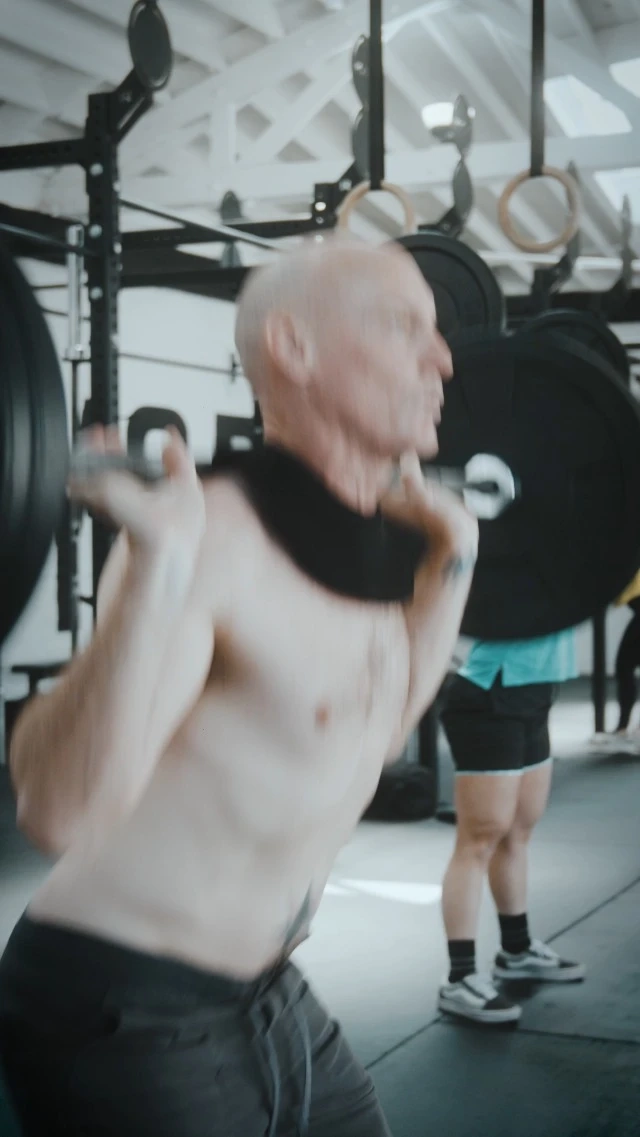
Barbell squats are effective, but the bar resting directly on the neck or collarbone can be uncomfortable—especially for beginners or lifters with past injuries. Padded neck and clavicle protection cushions the impact while keeping the bar stable.
This type of weightlifting safety equipment is ideal for:
- Squats and cross-training workouts
- Lifters with sensitive collarbones
- Athletes returning from shoulder or neck injuries
It improves comfort without interfering with movement.
Wrist Wraps and Elbow Sleeves
Heavy pressing movements place a lot of stress on the joints. Wrist wraps help maintain proper alignment, while elbow sleeves provide compression and warmth, reducing strain and inflammation.
Weightlifting Belts
A lifting belt supports your core and lower back during compound movements like squats and deadlifts. It encourages proper bracing and reduces the risk of spinal injury when lifting heavier loads.
Knee Sleeves and Wraps
Knee protection improves stability, warmth, and confidence during lower-body workouts. It’s especially helpful for squats, lunges, and leg presses.
How Weightlifting Safety Equipment Improves Performance
Safety gear isn’t just about avoiding injuries—it also enhances how you lift.
Benefits include:
- Better posture and bar control
- Increased confidence under heavy weights
- Reduced pain and fatigue
- More consistent training sessions
When your body feels protected, your mind can focus fully on the lift.
What to Look for When Choosing Weightlifting Safety Equipment
Not all fitness gear is created equal. Before buying, consider these factors:
- Fit: Adjustable sizing ensures comfort and stability
- Material: Durable, breathable, and quick-drying fabrics last longer
- Mobility: Equipment should protect without restricting movement
- Ease of use: Simple designs encourage regular use
High-quality weightlifting safety equipment should feel supportive—not bulky or distracting.
Who Should Use Weightlifting Safety Equipment?
The short answer: everyone who lifts weights.
- Beginners learning proper form
- Intermediate lifters increasing intensity
- Advanced athletes pushing heavier loads
- Lifters recovering from injuries
Safety gear isn’t a sign of weakness—it’s a sign of smart, long-term thinking.
Why Personal Safety Gear Beats Shared Gym Equipment
Gym-provided accessories are often worn out, poorly maintained, or unavailable when you need them. Owning your own equipment ensures:
- Proper fit for your body
- Consistent quality and hygiene
- Reliable protection every workout
That’s why experienced lifters invest in their own weightlifting protection gear.
Final Thoughts: Lift Smart, Stay Strong
Strength training is a long-term commitment. Injuries don’t just cause pain—they disrupt momentum. Using reliable weightlifting safety equipment helps protect your body, improve comfort, and support sustainable progress.
If you’re serious about lifting, safety should never be optional.
👉 Explore high-quality neck and clavicle protection designed for comfort and safety here:
https://www.amazon.com/LiftCollar-Padded-Neck-Collar-Cross-Training/dp/B0D1WV5X8V?th=1