



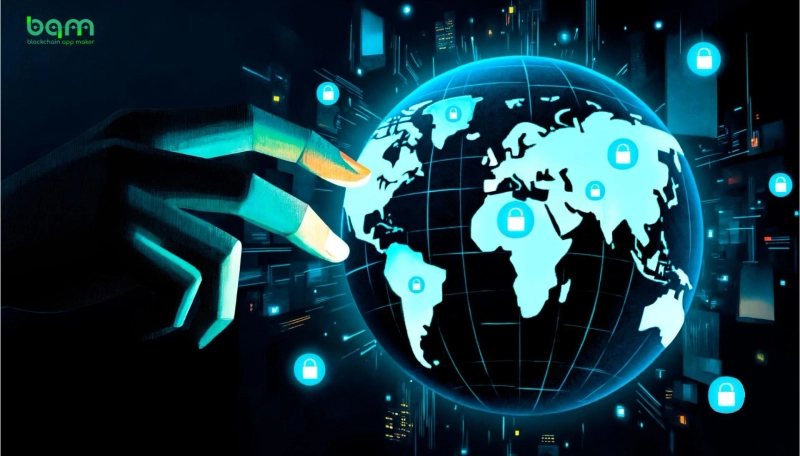
For decades, digital products have relied on centralized systems to store data, manage transactions, and control user interactions. While this approach enabled rapid growth during the Web2 era, it also introduced structural challenges around trust, transparency, and platform dependency. Today, Web3 is emerging as a practical evolution—offering decentralized systems that are reshaping how businesses design, deploy, and scale digital products.
Web3 is no longer confined to experimental blockchain projects. It is increasingly being adopted by startups, enterprises, and global organizations seeking resilient infrastructure, automated processes, and user-centric ownership models.
Understanding Web3 Beyond Cryptocurrency
Web3 is often mistakenly reduced to cryptocurrency or speculative digital assets. In reality, Web3 represents a broader shift toward decentralized application ecosystems built on blockchain networks, smart contracts, and distributed storage.
At its core, Web3 enables applications to operate without relying on a single controlling authority. Instead of centralized servers and databases, Web3 systems run on distributed networks where rules are enforced through transparent code and cryptographic verification.
This shift fundamentally changes how trust is established. Rather than trusting intermediaries, users and businesses can independently verify transactions, ownership, and system behavior.
Why Centralized Web2 Models Are Reaching Their Limits
Web2 platforms transformed digital interaction, but their limitations are becoming increasingly apparent.
Data Ownership and Privacy
In centralized systems, user data is owned and controlled by platforms. This creates privacy risks, data misuse concerns, and dependency on corporate policies.
Platform Dependency
Businesses building on centralized platforms are vulnerable to changes in algorithms, pricing models, or access restrictions that can disrupt operations overnight.
Limited Transparency
Users and partners must trust that systems operate fairly, often without the ability to verify internal processes.
Inefficient Value Exchange
Payments, royalties, and revenue distribution typically require intermediaries, adding cost and operational friction.
These challenges are driving businesses to explore decentralized alternatives.
How Web3 Solves These Challenges
Web3 introduces architectural principles that directly address the limitations of centralized systems.
Decentralization by Design
Applications are built on distributed networks, reducing single points of failure and increasing resilience.
Programmable Trust
Smart contracts automate rules and agreements, enabling transparent and tamper-resistant execution without manual oversight.
User Ownership
Users control their identities and digital assets through wallets rather than platform-owned accounts.
Transparent Operations
On-chain transactions are verifiable, improving trust across ecosystems.
For businesses, this means building systems where trust is embedded rather than assumed.
Practical Web3 Use Cases in Business Environments
Web3 adoption is accelerating across industries due to its ability to support real-world business models.
Decentralized Finance (DeFi)
Web3 enables permissionless financial services such as lending, trading, and payments without traditional intermediaries.
Digital Marketplaces
Decentralized marketplaces offer transparent transactions, automated settlement, and reduced platform dependency.
Tokenized Ecosystems
Businesses can design incentive models using tokens to reward participation, loyalty, and governance.
DAO-Based Governance
Decentralized autonomous organizations allow communities and stakeholders to participate in decision-making through transparent voting mechanisms.
These use cases highlight Web3’s role as infrastructure—not just innovation.
Web3 Development Requires a New Approach
Building Web3 systems is fundamentally different from traditional application development. It requires expertise in decentralized architectures, smart contract security, and scalable blockchain infrastructure.
Successful Web3 platforms combine:
- Secure smart contract logic
- Wallet-based authentication
- On-chain and off-chain integrations
- Decentralized storage and indexing
- User-friendly interfaces for mainstream adoption
Because of this complexity, many organizations collaborate with a specialized Web3 development company such as Blockchain App Maker, which focuses on building production-ready decentralized applications designed for real users and long-term scalability.
Cost, Scalability, and Long-Term Value
Web3 development costs vary based on factors such as application complexity, blockchain selection, security requirements, and transaction volume. While decentralized systems require careful upfront planning, they often reduce long-term dependency on centralized providers and unlock new monetization models.
Rather than overengineering, successful Web3 strategies focus on building modular systems that scale gradually as adoption grows.
Web3 Is an Evolution, Not a Replacement
Web3 does not eliminate Web2 overnight. Many modern platforms adopt hybrid architectures, combining familiar Web2 interfaces with decentralized Web3 infrastructure. This approach allows businesses to maintain usability while benefiting from decentralization.
Organizations that understand when and where to apply Web3 gain a competitive advantage by future-proofing their digital products.
Final Thoughts
Web3 represents a shift toward digital systems built on transparency, ownership, and resilience. For businesses, it offers more than technical innovation—it provides a framework for building trust-driven platforms aligned with the future of digital interaction.
As decentralized technologies mature, Web3 will increasingly define how digital products are created, governed, and scaled. Companies that adopt it thoughtfully today will be better positioned to lead tomorrow’s digital economy.