



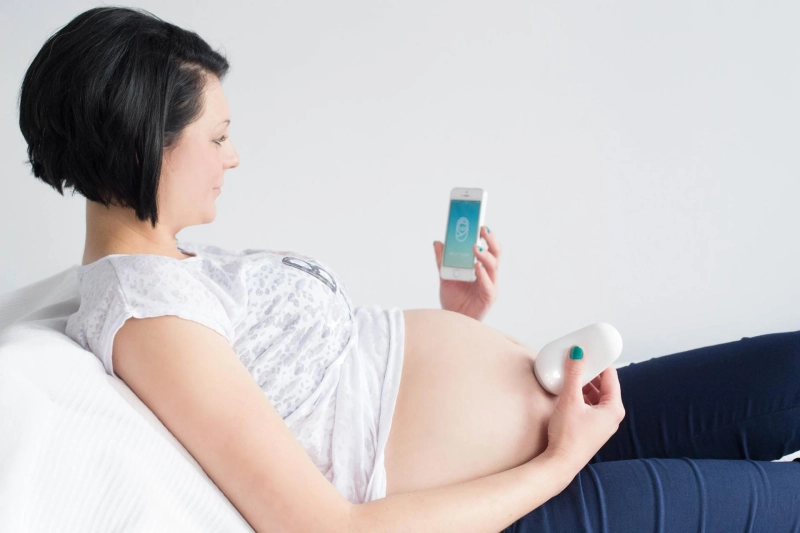
The wearable pregnancy devices market is experiencing significant growth, driven by technological advancements that are transforming prenatal care. These innovations are empowering expectant mothers with tools to monitor their health and that of their babies in real time, leading to improved outcomes and a more personalized care experience.

1. Real-Time Monitoring of Maternal and Fetal Health
Modern wearable devices are equipped with advanced sensors that continuously monitor vital signs such as heart rate, blood pressure, oxygen saturation, and uterine contractions. This constant surveillance allows for the early detection of potential complications like preeclampsia, gestational diabetes, or fetal distress. By providing real-time data, these devices enable healthcare providers to intervene promptly, improving outcomes for both mother and baby.
2. Integration with Mobile Applications for Personalized Care
The integration of wearable devices with mobile applications has transformed how expectant mothers manage their health. These applications provide dashboards that display real-time health metrics, trends, and alerts. Users can track their progress, set reminders for medication or appointments, and communicate directly with healthcare providers. This seamless connection between wearable devices and mobile apps empowers women to take an active role in managing their pregnancy and ensures that healthcare providers have access to up-to-date information for informed decision-making.
3. Artificial Intelligence for Predictive Analytics
Artificial intelligence (AI) is playing an increasingly important role in wearable pregnancy devices. AI algorithms analyze the vast amounts of data collected by these devices to identify patterns and predict potential health issues. For instance, AI can assess changes in maternal heart rate variability or sleep patterns to forecast risks such as preterm labor. By leveraging AI, wearable devices can provide early warnings, enabling healthcare providers to take preventive measures and improve outcomes for both mothers and babies.
4. Enhanced Comfort and Usability
The design of wearable pregnancy devices has evolved to prioritize comfort and usability. Manufacturers are focusing on creating lightweight, flexible, and discreet devices that can be worn throughout the day without causing discomfort. Features like extended battery life, waterproof materials, and hypoallergenic sensors ensure that the devices are suitable for continuous use, encouraging adherence to monitoring protocols. This user-centric approach enhances the overall experience for expectant mothers.
5. Accessibility and Affordability
As the demand for wearable pregnancy devices grows, efforts are being made to make these technologies more accessible and affordable. E-commerce platforms are playing a crucial role in reaching a broader audience, offering a range of products at various price points. Additionally, some healthcare providers are incorporating these devices into their services, sometimes covering the costs through insurance plans, making them more accessible to expectant mothers. This increased accessibility is contributing to the widespread adoption of wearable pregnancy devices.
6. Expansion into Emerging Markets
The adoption of wearable pregnancy devices is expanding beyond developed countries into emerging markets. Increasing smartphone penetration, improving internet connectivity, and rising awareness about maternal health are contributing to this growth. In regions where access to healthcare facilities is limited, these devices offer a viable solution for continuous health monitoring, bridging the gap in prenatal and postnatal care. The affordability and accessibility of these devices are key factors driving their adoption in emerging markets.
7. Collaboration Between Healthcare Providers and Technology Companies
Collaborations between healthcare providers and technology companies are fostering innovation in the wearable pregnancy devices market. By combining medical expertise with technological innovation, these partnerships are creating solutions that are both clinically effective and user-friendly. Healthcare providers can offer valuable insights into the specific needs of expectant mothers, while technology companies bring their expertise in device development and data analytics. This collaborative approach ensures that wearable pregnancy devices meet the highest standards of safety and efficacy.
8. Addressing Data Privacy and Security Concerns
As wearable pregnancy devices collect sensitive health data, ensuring data privacy and security is paramount. Manufacturers are implementing robust encryption methods and adhering to regulatory standards to protect user information. Additionally, users are being educated about the importance of data privacy and are given control over their information, including options to share data with healthcare providers. By addressing these concerns, the wearable pregnancy device industry can build trust with consumers and encourage widespread adoption.
9. Future Innovations in Wearable Pregnancy Devices
The future of wearable pregnancy devices holds exciting possibilities. Innovations such as non-invasive glucose monitoring, integration with electronic health records, and the development of smart garments embedded with monitoring sensors are on the horizon. These advancements aim to provide a more comprehensive understanding of maternal and fetal health, leading to more personalized and effective prenatal and postnatal care. As technology continues to evolve, wearable pregnancy devices will play an increasingly integral role in shaping the future of maternity care.
In conclusion, the integration of smart innovations into wearable pregnancy devices is revolutionizing prenatal health monitoring systems. Through advancements in real-time monitoring, personalized care, predictive analytics, and increased accessibility, these devices are empowering expectant mothers to take control of their health and well-being. As the industry continues to innovate and expand, wearable pregnancy devices will play a crucial role in improving outcomes for mothers and their babies worldwide.