



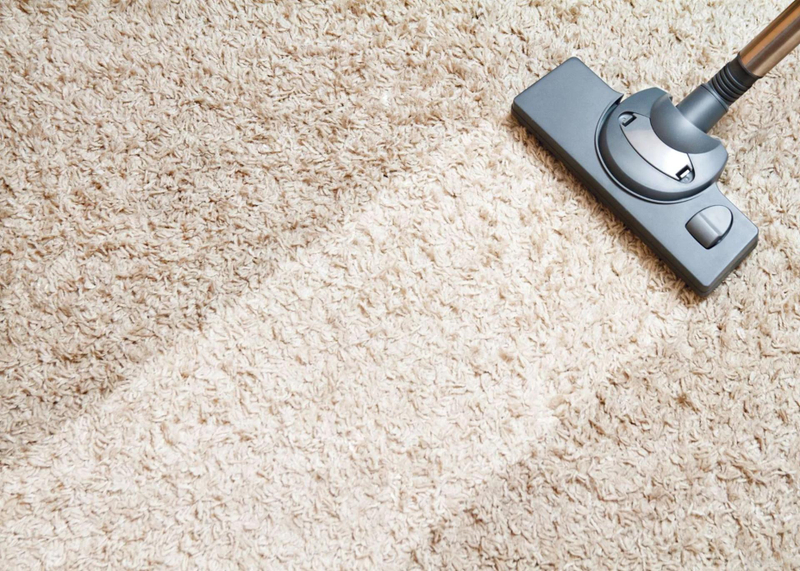
Water marks on carpets often occur due to overwetting during cleaning, leaking appliances, or moisture rising from a damp underlay. If left untreated, these marks can reappear, attract dirt, and encourage mould growth. This guide explains why water marks form, how to remove them safely, and how to prevent long-term damage to your carpets and indoor air quality.
Why Water Marks Appear on Carpets
When carpet fibres become wet and dry unevenly, mineral residues, cleaning product build-up, and fibre compression can leave visible rings or darker patches. If the underlay or subfloor remains damp, moisture can wick back up into the carpet pile, bringing dissolved soils with it and causing the marks to return.
Related article: Carpet Water Damage
Identifying the Source of Moisture
Understanding the type of water exposure is key to proper treatment:
- Minor spills or spot cleaning usually result in small, localised marks
- Leaking appliances such as washing machines or dishwashers often create linear or concentrated wet areas
- Flooding or rising damp affects larger sections and may require professional structural drying
- Sewage or contaminated water poses health risks and must be handled by specialist restoration teams
Immediate Steps to Take (Safety First)
- Stop the source: Repair leaks and turn off affected appliances
- Protect electrics: Avoid using electricity if carpets or underlay are soaked; arrange a qualified electrician if necessary
- Blot excess moisture: Use clean white towels to absorb water—avoid coloured fabrics that may transfer dye
- Avoid high heat: Do not use high-temperature drying methods, as they can set stains and damage carpet fibres or adhesives
How to Remove Water-Based Stains from Carpet
- Assess the fibre type: Natural fibres such as wool require gentler products than synthetic carpets
- Lift the pile: Lightly brush matted fibres to restore texture
- Rinse and extract: For detergent residue or mineral marks, carry out a controlled rinse with clean water followed by wet extraction to remove residues without overwetting
- Dry evenly: Use fans and a dehumidifier to create steady airflow and remove moisture evenly across the area
- Monitor moisture levels: Check humidity and backing moisture using a hygrometer or moisture meter; repeat extraction if levels remain high
- Address recurring wicking: Light, repeated extraction and drying cycles can resolve persistent rings caused by moisture in the underlay
Dealing with Specific Carpet Issues
- Hard water mineral rings: Rinse and extract thoroughly to prevent residue migration
- Detergent residue stains: Use a neutral rinse to remove alkaline build-up that attracts dirt
- Sewage contamination: Treat as hazardous—professional sanitisation is essential
- Wool carpets: Use wool-safe solutions and minimal moisture to prevent browning or shrinkage
When Underlay or Subfloor Drying Is Required
If moisture remains trapped beneath the carpet, surface drying will not solve the issue. Warning signs include recurring water marks, musty odours, or a persistent cold and damp feel underfoot. In these situations, professionals may lift the carpet, dry the underlay and subfloor using targeted airflow and dehumidification, and reinstall the carpet once industry drying standards are met.
Preventing Future Water Marks on Carpets
- Repair plumbing or appliance leaks promptly and service white goods regularly
- Use professional extraction equipment for deep cleaning to avoid overwetting
- Place protective mats under plant pots and pet bowls
- Maintain balanced indoor humidity levels to reduce condensation and moisture wicking
Related reading: Safe Rug Cleaning After Floods
Conclusion
By correctly assessing the cause, using controlled extraction, and ensuring even drying, water marks on carpets can be eliminated and prevented from returning. In cases involving leaks, flooding, or recurring staining, professional drying and restoration services offer the most effective long-term solution.
Disaster Care Capital are experienced restoration specialists equipped with advanced tools and trained technicians to clean, extract, and dry carpets after water damage. Using industry-approved methods and controlled drying techniques, they help prevent recurring marks, mould growth, and long-term damage—protecting your carpets and preserving your flooring investment.