


Costa Rica is world-renowned for its lush rainforests, pristine rivers, and abundant biodiversity. Yet, despite its rich natural resources, water in Costa Rica is not evenly distributed throughout the country, and managing this precious resource sustainably is a growing priority. From rural communities to large urban centers, the way water is sourced, treated, and conserved plays a critical role in the nation’s social, economic, and environmental well-being.
Main Sources of Water in Costa Rica
The primary sources of water in Costa Rica include:
- Surface Water: Rivers, lakes, and streams provide much of the water used for agriculture, hydropower, and domestic needs.
- Groundwater: Aquifers beneath the surface are essential for rural communities, agriculture, and tourism projects in areas with limited surface water.
- Rainwater: The country’s tropical climate offers high rainfall in many regions, which replenishes aquifers and surface water bodies.
Challenges Facing Water Management
Although Costa Rica receives abundant rainfall, water availability varies significantly by region. Some of the challenges include:
- Seasonal Shortages: The dry season can lead to water scarcity, especially in the Guanacaste region.
- Uneven Distribution: Mountainous terrain means water is more abundant in certain provinces than in others.
- Climate Change: Altered rainfall patterns and prolonged droughts impact water security.
- Pollution: Agricultural runoff, industrial waste, and untreated sewage can affect water quality in rivers and aquifers.
Sustainable Use of Water in Costa Rica
The government and environmental organizations have implemented various programs to ensure the long-term sustainability of water in Costa Rica, such as:
- Watershed Protection: Reforestation projects help maintain healthy ecosystems that naturally filter and store water.
- Water Conservation Campaigns: Public awareness programs encourage responsible water use in homes, hotels, and farms.
- Monitoring and Regulation: Strict regulations on well drilling and wastewater disposal help protect aquifers from over-extraction and contamination.
The Role of Groundwater Exploration
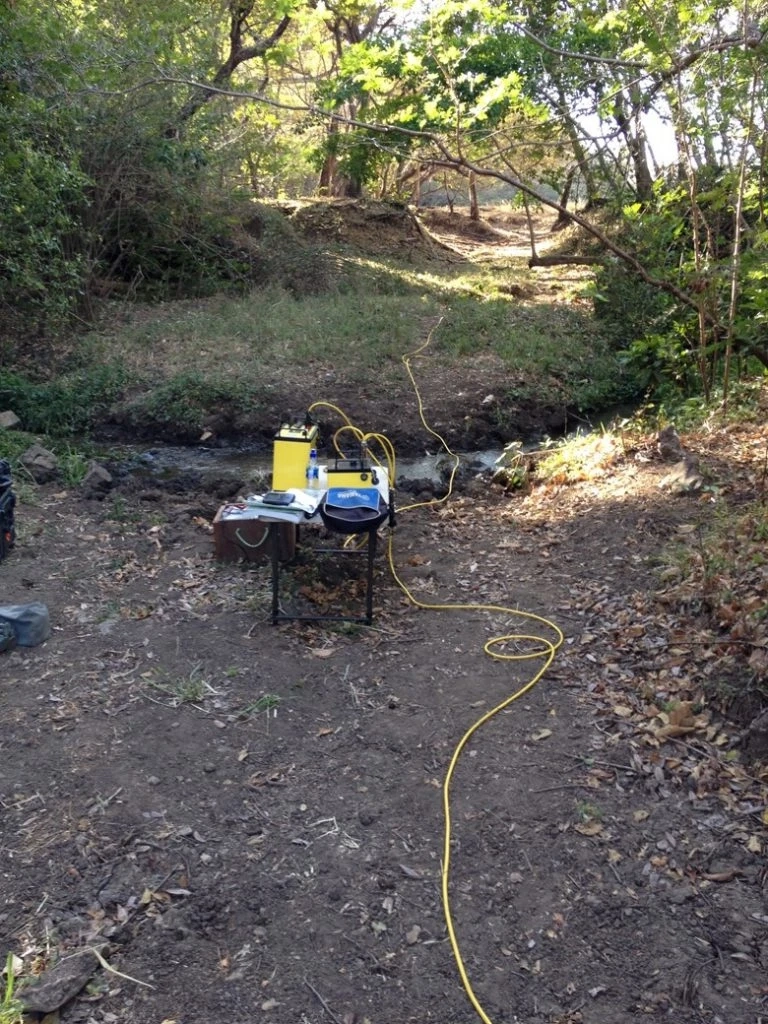
Groundwater plays a vital role in ensuring a reliable water supply, particularly in rural and dry areas. Professional exploration helps locate and evaluate aquifers, ensuring sustainable extraction without harming the environment.
At Pura Vida Drilling, we specialize in groundwater exploration and well drilling services, helping communities, farms, and businesses secure safe and sustainable water access.
Why Protecting Water Resources Matters
Protecting water in Costa Rica is about more than just ensuring people have enough to drink — it’s about preserving the country’s ecosystems, supporting its agricultural economy, and maintaining its global reputation as a leader in environmental stewardship.
Conclusion
Water is one of Costa Rica’s most valuable natural resources, and its protection requires cooperation between citizens, government, and industry. By combining sustainable practices, modern technology, and expert knowledge, we can ensure that water in Costa Rica remains clean, abundant, and accessible for generations to come.