



Water intrusion within a residential property is more than a momentary inconvenience; it is a disruptive event that threatens structural integrity, indoor air quality, and long-term asset value. Whether caused by burst pipes, appliance malfunctions, severe storms, or flooding, excess moisture can silently compromise walls, floors, and foundational elements if not addressed with precision and urgency. A methodical drying process is therefore essential to stabilizing the property and preventing secondary damage. This article explores, in a refined and professional manner, how a home can be properly dried after water damage, emphasizing best practices aligned with modern Water Damage Restoration standards and the disciplined approach associated with Voda (DMV).
Understanding the Nature of Water Damage
Effective drying begins with a clear understanding of the type and extent of water intrusion. Water damage is commonly categorized based on contamination levels, ranging from clean water originating from supply lines to heavily contaminated water from sewage backups or external flooding. Each category demands a distinct response strategy, particularly when determining safety protocols and drying techniques.
Beyond classification, the duration of exposure plays a decisive role. Moisture that lingers beyond 24 to 48 hours can infiltrate porous materials, leading to swelling, warping, and microbial growth. For this reason, professional Water Damage Restoration methodologies prioritize rapid assessment and immediate action to halt the progression of damage.
Initial Assessment and Safety Considerations
Before drying operations commence, a comprehensive evaluation of the affected areas is essential. This assessment typically includes moisture mapping, identification of compromised materials, and determination of structural stability. Electrical systems, in particular, must be inspected to mitigate hazards associated with standing water or saturated building components.
Safety remains paramount throughout the process. Personal protective equipment, controlled access to affected zones, and adherence to industry standards ensure that drying efforts proceed without risk to occupants or technicians. Organizations such as Voda (DMV) emphasize disciplined protocols at this stage, recognizing that an informed beginning sets the foundation for a successful outcome.
Water Extraction: The Critical First Step
Drying cannot occur effectively until excess water is removed. Water extraction involves the use of high-capacity pumps, wet vacuums, and specialized extraction units designed to eliminate standing water from floors, carpets, and substructures. This step significantly reduces drying time and minimizes the likelihood of secondary damage.
Prompt extraction is a defining element of professional Water Damage Restoration practices. By removing bulk water swiftly, the drying environment becomes more controlled, allowing subsequent techniques to function with greater efficiency and predictability.
Strategic Air Movement and Dehumidification
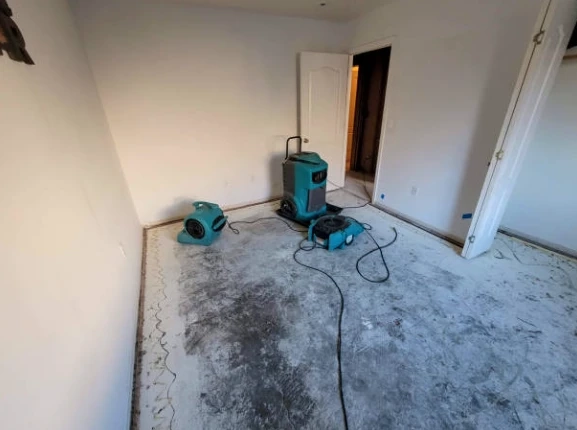
Once visible water has been extracted, the focus shifts to removing residual moisture embedded within materials and the air itself. Strategic air movement is achieved through the placement of industrial-grade air movers, which promote evaporation by directing airflow across damp surfaces. These devices are positioned with deliberate precision to ensure uniform drying and prevent moisture pockets.
Dehumidification complements air movement by extracting water vapor from the atmosphere. Modern dehumidifiers are calibrated to maintain optimal humidity levels, accelerating the drying process while protecting unaffected areas from excess dryness. The integration of these technologies reflects the sophistication of contemporary Water Damage Restoration systems and aligns with the meticulous standards upheld by Voda (DMV).
Drying Structural Components
Structural drying is among the most technically demanding aspects of post-water damage recovery. Walls, ceilings, and subfloors often conceal moisture that cannot be detected by sight alone. Advanced moisture meters and thermal imaging tools are employed to locate hidden dampness and guide targeted drying efforts.
In some cases, controlled access points may be created to facilitate airflow within wall cavities or beneath flooring systems. This non-invasive yet effective approach allows for thorough drying without unnecessary demolition, preserving the integrity and aesthetic value of the property.
Managing Contents and Furnishings
A comprehensive drying strategy extends beyond the structure itself to include personal belongings and furnishings. Upholstered furniture, area rugs, and decorative items are evaluated for moisture absorption and material composition. Items deemed salvageable are dried using specialized techniques, while those beyond recovery are documented for insurance purposes.
This meticulous handling of contents reflects a holistic view of Water Damage Restoration, recognizing that a home’s value is measured not only in its structure but also in the comfort and continuity it provides to its occupants.
Monitoring Progress and Ensuring Completion
Drying a home after water damage is not a one-time action but a monitored process. Regular measurements of moisture levels, humidity, and temperature provide objective data to confirm progress. Adjustments to equipment placement or settings are made as needed to maintain optimal drying conditions.
Professional teams associated with Voda (DMV) are known for their disciplined monitoring protocols, ensuring that drying is not prematurely concluded. This commitment to verification safeguards against future complications, such as mold growth or material failure, that can arise from incomplete drying.
Preventing Secondary Damage
One of the primary objectives of drying is the prevention of secondary damage, particularly microbial growth. Mold can begin to develop within days of water exposure, posing health risks and increasing restoration costs. Maintaining controlled humidity levels and ensuring complete dryness are therefore essential components of a responsible response.
Additionally, proper drying preserves the dimensional stability of building materials, reducing the likelihood of warping, cracking, or delamination. These preventative measures underscore the long-term value of a disciplined Water Damage Restoration approach.
The Role of Professional Expertise
While minor water incidents may be addressed with limited intervention, significant water damage demands professional expertise. Certified technicians bring not only specialized equipment but also a strategic understanding of building science and moisture dynamics. Their involvement ensures that drying is comprehensive, efficient, and aligned with industry best practices.
Organizations like Voda (DMV) exemplify this level of professionalism, combining technical proficiency with a structured process designed to restore properties with minimal disruption and maximum confidence.
Restoring Stability and Peace of Mind
Drying a home after water damage is a critical phase in the broader restoration journey. It transforms a compromised environment into a stable foundation for repairs, reconstruction, and renewed occupancy. When executed with precision, transparency, and adherence to proven methodologies, the drying process protects both the physical asset and the well-being of those who depend on it.
In conclusion, successful drying is not merely about removing moisture; it is about restoring balance, safeguarding value, and preventing future complications. Through a methodical process grounded in modern Water Damage Restoration principles and exemplified by the standards of Voda (DMV), homeowners can move forward with confidence, knowing their property has been stabilized with care and expertise.