



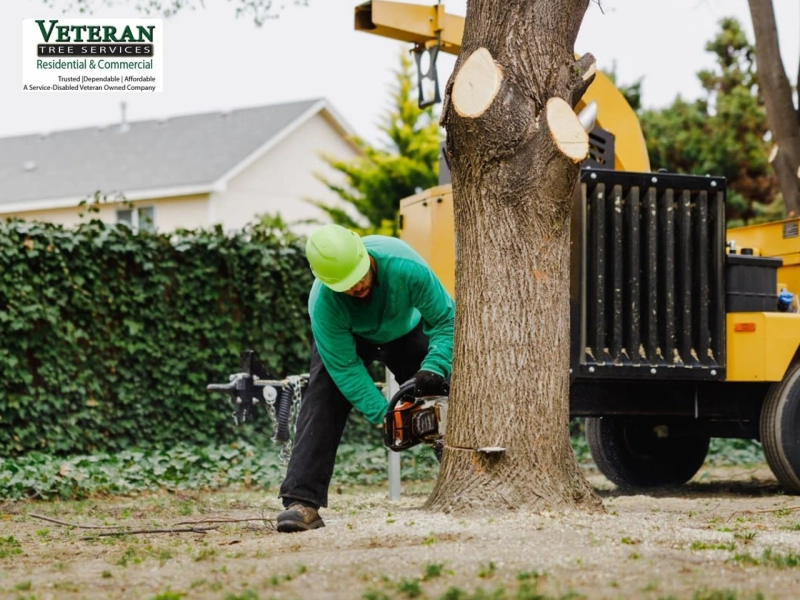
Urban trees shape your property’s safety, value, and visual character. Yet timing determines whether maintenance protects or creates risk. Delaying care may lead to structural instability, invasive decay, or storm damage that becomes costly. Understanding seasonal cycles, soil conditions, and canopy stress helps you act before hazards escalate. That is why scheduling Tree Service in DC at the right moment matters more than many realize.
You may assume trees grow quietly without demanding attention. In reality, they respond to temperature shifts, rainfall variability, and compacted soils common in dense neighborhoods. Root systems compete for oxygen, branches weaken after harsh winters, and pests multiply in humid summers. If service occurs too late, corrective work often turns into removal. This guide clarifies when to plan maintenance, inspections, trimming, or removal so your landscape remains stable and compliant.
1. Early Spring: Strategic Pruning and Structural Correction
Early spring remains one of the most effective windows for professional pruning. Trees exit dormancy and begin active growth, allowing wounds to close faster. Structural trimming during this stage shapes canopy architecture and reduces weak branch unions before heavy foliage develops.
During this season, arborists assess branch load distribution, bark integrity, and nutrient flow. If cracks or cavities appeared during winter, corrective cuts prevent progressive splitting. You reduce wind resistance by thinning dense crowns before seasonal storms arrive.
Spring scheduling also limits disease transmission. Many fungal spores remain dormant in cooler conditions. Strategic cuts now minimize pathogen spread and reduce long-term decay risk. Proper timing strengthens trees rather than stressing them.
2. After Severe Storms: Immediate Risk Assessment
Storm damage requires prompt evaluation. High winds, lightning strikes, and saturated soil destabilize root plates and fracture limbs. Even if visible damage appears minor, internal stress fractures may exist.
When branches hang loosely or trunks lean unexpectedly, you should not delay action. In such cases, searching for emergency tree removal near me often becomes necessary to prevent property injury. Immediate intervention reduces liability exposure and structural harm.
Professionals inspect for root heave, bark splitting, and canopy imbalance. Temporary stabilization may follow, or full removal may be recommended if structural integrity fails. Acting quickly avoids secondary damage from falling debris or collapsing limbs.
3. Late Fall: Preparing for Dormancy
Late fall offers another strategic window. As leaves drop, tree structure becomes visible, making inspection more accurate. Arborists can identify crossing limbs, deadwood, or decay pockets hidden during summer foliage.
This period supports selective pruning without disrupting active growth cycles. Trees conserve energy for winter dormancy, reducing physiological stress from cuts. If structural thinning is needed, it can be completed before snowfall adds weight to branches.
Fall also provides time for soil conditioning. Compacted urban soil limits oxygen exchange. Aeration and mulching improve root health before freeze cycles begin. Trees that enter winter in stable condition tolerate cold stress more effectively.
4. When You Notice Decay or Pest Activity
Visible decay signals immediate evaluation. Soft wood, fungal growth, or hollow cavities often indicate internal deterioration. Insects exploit weakened tissue and accelerate decline. If ignored, structural collapse becomes likely.
Older properties sometimes require targeted removal similar to dead tree removal in Laurel, MD, especially when decay extends into the trunk core. Eliminating compromised trees protects nearby vegetation and structures from cascading damage.
Pest infestations also demand timing precision. Borers, beetles, and fungal pathogens spread rapidly in humid climates. Early intervention may preserve the tree; delay often converts preservation into removal.
5. Mid-Summer: Monitoring Growth Stress
Although heavy pruning during peak summer heat is discouraged, inspections remain important. Extended heat waves, compacted soil, and irregular watering create drought stress. Leaves may discolor or drop prematurely.
Mid-season evaluation identifies nutrient deficiencies and structural imbalances. Cabling or bracing may be installed to support limbs weakened by rapid growth. Such measures prevent breakage during summer thunderstorms.
You also observe canopy density during full foliage. Excessive shading blocks airflow and increases disease risk. Light corrective trimming enhances air circulation without disrupting photosynthesis.
6. When Safety or Construction Requires Clearance
Tree Service in DC is not only seasonal; it is situational. Construction projects, utility line interference, or property boundary adjustments may require immediate pruning or removal. Roots can damage pavement and underground systems.
If branches obstruct rooftops or windows, structural stress and moisture accumulation increase. Scheduling maintenance before renovation protects your investment and ensures compliance with local regulations.
Home expansions often expose root zones to excavation damage. Consulting certified arborists in advance preserves critical root structures. Preventive action reduces transplant shock and long-term decline.
Long-Term Planning and Preventive Scheduling
Trees thrive under consistent monitoring rather than reactive care. Annual inspections detect early decay, root instability, and canopy imbalance before they escalate. Predictive maintenance lowers long-term costs and enhances property value.
Urban environments place constant stress on trees. Air pollution, soil compaction, and limited root space restrict healthy growth. Without scheduled assessment, minor defects evolve into safety hazards.
Regular documentation of tree health also supports insurance claims and municipal compliance. Proactive scheduling demonstrates responsible property management and reduces liability risks.
Conclusion
Timing transforms routine maintenance into strategic protection. Whether addressing storm damage, decay, seasonal growth, or construction interference, the right schedule prevents hazards and preserves long-term vitality. Ignoring warning signs often turns minor correction into costly removal.
By understanding when to arrange Tree Service in DC, you maintain structural stability, property value, and environmental balance. Thoughtful planning ensures that your landscape remains resilient through shifting seasons and unexpected weather events. Proper timing is not optional; it defines the health and safety of your entire outdoor environment.