



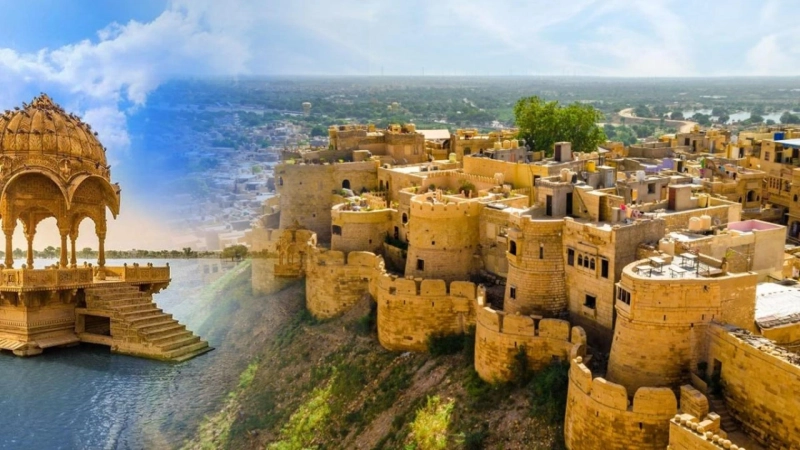
Rising like a golden mirage from the heart of the Thar Desert, Jaisalmer Fort is not just a historic monument—it's a living piece of heritage. Known as Sonar Quila or the Golden Fort, this massive sandstone fortress continues to be home to thousands of residents even today. It’s more than just a tourist attraction; it’s an immersive experience that reflects the rich tapestry of Rajasthani culture, history, and architecture. Whether you're arriving in town via the Best cab service in Jaisalmer, or exploring on foot, the fort welcomes you with tales etched in stone.
A Living Fort with a Unique Identity
Unlike most forts in India that now stand as preserved ruins or museums, Jaisalmer Fort remains a thriving community. Approximately 3,000 people live within its walls, carrying on centuries-old traditions and businesses. This rare status as a “living fort” makes it a fascinating destination for travelers interested in more than just architecture. It offers a direct encounter with Rajasthan’s living culture, from craftspeople shaping leather goods to families cooking traditional meals in ancient courtyards.
Architectural Grandeur of Rajputana Style
Constructed in 1156 AD by Rawal Jaisal, a Rajput ruler, the fort is a prime example of Rajputana military architecture. Made from yellow sandstone, it shimmers in different shades throughout the day—from tawny gold in the morning to honey-orange by sunset. Walking through the high walls and narrow lanes, you’ll see exquisite carvings, jharokhas (overhanging balconies), and latticed windows. The main entrance, Ganesh Pol, opens into a maze of palaces, temples, and homes that speak of both glory and resilience.
Must-Visit Attractions Within the Fort
Each section of Jaisalmer Fort tells its own story. As you enter the fort, make sure to explore the following highlights:
Raj Mahal (Royal Palace)
Located near the main square, the former residence of the Maharaja offers panoramic views of the city and desert. The palace is now a museum featuring artifacts that highlight the lavish lifestyle of the royal family. The intricate carvings and wall paintings offer insight into the rich artistry of the bygone era.
Jain Temples
Built between the 12th and 16th centuries, the seven Jain temples inside the fort are made entirely of yellow sandstone. These temples are dedicated to various Tirthankaras and display finely sculpted figures, mythological scenes, and sacred geometry that attract both spiritual seekers and history enthusiasts.
Laxminath Temple
This Hindu temple is dedicated to Lord Vishnu and Goddess Laxmi. Its distinct Rajasthani style features beautifully decorated ceilings and painted arches. While less crowded than the Jain temples, it holds deep spiritual significance and is often visited during religious festivals.
Merchant Havelis
Several ornate mansions or havelis—Patwon Ki Haveli, Salim Singh Ki Haveli, and Nathmal Ki Haveli—are situated within or just outside the fort. Though some now function as museums or boutique shops, they are remarkable examples of the wealth and taste of Jaisalmer’s former merchant class.
Why Jaisalmer Fort Is Truly Special
Jaisalmer Fort isn’t just about what you see; it’s about what you feel. The fort exudes a sense of timelessness. As you walk through its narrow alleys filled with shops selling handcrafted jewelry, embroidered textiles, and traditional puppets, you're participating in a centuries-old marketplace. The sounds of Rajasthani folk music drifting through sandstone corridors and the aroma of spiced street food create a sensory tapestry few other forts offer.
Moreover, Jaisalmer Fort is a UNESCO World Heritage Site, recognized for its cultural and architectural value. However, its very existence faces modern challenges—from overcrowding and water damage to the pressures of tourism. Efforts by conservation groups aim to preserve this heritage while respecting the community that calls it home.
Tips for Travelers Exploring the Fort
- Hire a local guide: To appreciate the stories behind the architecture, a knowledgeable guide adds immense value to your visit.
- Dress modestly: As the fort contains active temples and homes, respectful attire is advised.
- Visit early or late in the day: Not only is the lighting perfect for photography, but the weather is also more forgiving.
- Avoid single-use plastic: Help preserve this fragile ecosystem by minimizing waste.
Exploring Beyond the Fort Walls
No visit to Jaisalmer is complete without discovering its surroundings. Once you’ve wandered through the fort, consider booking a Jaisalmer sightseeing tour to explore the nearby dunes, lakes, and villages. From the hauntingly beautiful Kuldhara Village to the serene Gadisar Lake, the surrounding region enriches the story of the Golden City.
Travelers often use a Jaisalmer taxi service for flexible and convenient transport between these destinations, ensuring a smooth journey from cultural heritage sites to scenic vistas.
Conclusion: More Than a Fort, It’s a Way of Life
Visiting Jaisalmer Fort is like walking through a living chapter of Indian history. It’s a rare combination of living culture, ancient architecture, and natural beauty all in one place. Whether you're an architecture enthusiast, a history buff, or a casual traveler, the fort offers a window into the spirit of Rajasthan that few other destinations can match.
As the golden sandstone glows under the setting sun and the temple bells chime in the distance, you'll realize that this isn’t just a stop on your travel itinerary—it’s a timeless encounter with India’s enduring soul.