


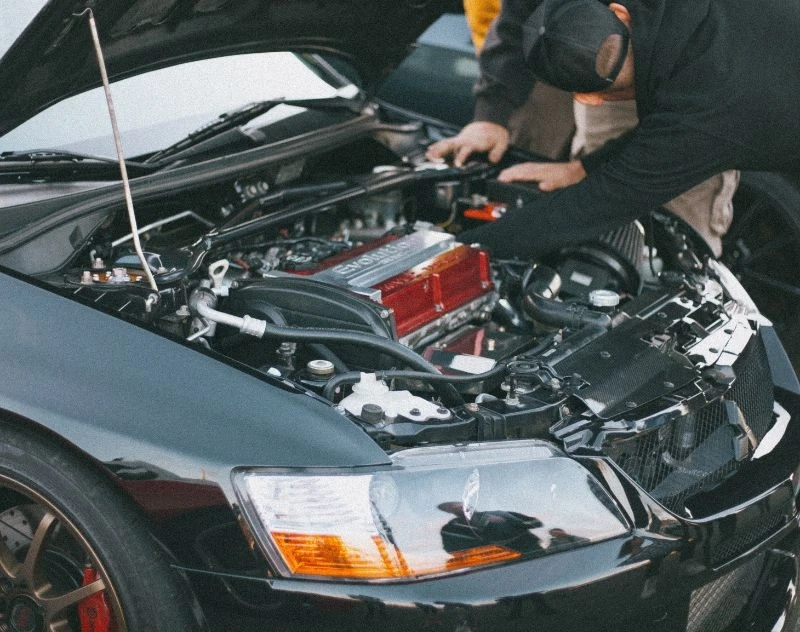
Buying a used car is an exciting milestone, but overlooking hidden flaws can quickly turn your dream ride into a financial nightmare. A thorough vehicle check before buying is the ultimate safety net to ensure you are investing in a reliable machine rather than a money pit. You need to verify engine health, transmission smoothness, and structural integrity before handing over any cash.
A proper evaluation goes far beyond a quick, five-minute test drive around the block. You must dig deep into the mechanics, scanning for hidden rust, suspicious fluid leaks, and electrical gremlins that deceptive sellers often try to mask.
This guide breaks down exactly what to look for based on real-world mechanic insights. We will walk you through the essential checkpoints, common traps, and simple tricks to outsmart dishonest sellers so you can buy with total confidence.
Why a Vehicle Check Before Buying is Your Best Defense
Skipping a proper mechanical evaluation is the number one mistake used car buyers make today. A comprehensive vehicle check before buying reveals the true history of the automobile, exposing prior accidents or neglected maintenance that a shiny, freshly waxed exterior actively hides. This simple step gives you the ultimate leverage to negotiate a better price or walk away from a terrible deal.
Many enthusiastic buyers assume a pristine interior and a fresh coat of paint mean a healthy engine, which is a dangerous assumption. Relying on visual appeal rather than mechanical soundness frequently leads to expensive, unexpected garage bills within the first few months of ownership.
Smart buyers rely on logic, not emotion. By systematically checking every major system, you take control of the transaction and protect yourself from inheriting someone else's expensive automotive problems.
How to Vehicle Inspect Like an Expert: The 10-Point Checklist
Learning how to effectively vehicle inspect requires patience, a bright LED flashlight, and a willingness to get your hands a little dirty. You do not need to be a certified master mechanic to spot the glaring warning signs of automotive abuse; you just need to know exactly where to look. By methodically evaluating each zone of the car, you protect your wallet and your physical safety.
1. Examine Fluid Levels and Colors
Pop the hood when the engine is completely cold and pull the oil dipstick. The oil should be amber or dark brown and smooth to the touch. If the fluid looks like a thick, milky milkshake, a blown head gasket is actively destroying the engine from the inside out.
Check the transmission fluid next, which should appear bright red or pinkish. Burnt, dark brown, or foul-smelling transmission fluid strongly indicates internal slipping, neglected maintenance, and impending gearbox failure.
2. Listen for Engine Knocks and Ticks
Always insist on a cold start, as shady sellers often pre-warm engines to hide rough idling or rattling timing chains. Turn the key and listen closely for sharp metallic knocks from the engine bay. These sounds signal worn internal bearings that will require a massive engine rebuild.
Pro Tip: Place a half-full water bottle on top of the engine block while it idles. If the water shakes violently, the engine mounts are likely collapsed and require immediate replacement.
3. Test Transmission Responsiveness
During your test drive, accelerate firmly through all the gears on an open stretch of road. The transition between gears should feel seamless and immediate, without any jarring thuds, delays, or high-RPM slipping.
Test the reverse gear as well. Shifting from Drive to Reverse should be a smooth engagement; a loud clunk indicates failing universal joints or severe transmission wear.
4. Hunt for Hidden Undercarriage Rust
Bring a flashlight and an old mat so you can slide directly under the frame to check for excessive corrosion. While light surface rust on exhaust pipes is perfectly normal, structural rot on the frame rails, rocker panels, or suspension mounts is a massive, unfixable safety hazard.
5. Measure Tyre Tread and Wear Patterns
Inspect all four wheels for uneven wear, which is a significant mechanical red flag. If the tires are worn heavily on one edge while the center is fine, the car likely suffers from severe alignment issues, failing suspension components, or a bent frame from an unreported collision.
6. Test Every Interior Electronic Component
Take your time inside the cabin and press absolutely every physical button and touch screen menu you can find. Test the air conditioning, heater, power windows, sunroof, and infotainment system to ensure no electrical gremlins are hiding in the complex dashboard wiring.
Check under the floor mats while you are inside. A mildew smell or hidden silt under the carpets is a dead giveaway of previous flood damage.
7. Verify the Odometer and Pedals
A common, illegal trick used by shady sellers is rolling back the digital or analog odometer to falsely inflate the asking price. Look closely at the brake and gas pedals. If a car supposedly has low mileage but the rubber pedal pads are completely worn down to the metal, the numbers are fraudulent.
8. Spot Inconsistent Paint and Panel Gaps
Walk around the perimeter of the car in bright daylight and run your fingers along the gaps between the doors, hood, and fenders. Uneven gaps or slight variations in paint texture usually indicate the panels were replaced or repainted after a major, undisclosed crash.
Pro Tip: Bring a small refrigerator magnet and run it along the lower doors and quarter panels. If the magnet suddenly stops sticking, that area is packed with Bondo body filler from a cheap repair job.
9. Perform the Suspension Bounce Test
Push down firmly with your body weight on each corner of the automobile to test the shock absorbers. If the body of the car bounces up and down more than twice after you let go, the struts are completely blown and will need immediate replacement.
10. Scan the On-Board Diagnostics (OBD2)
Bring a cheap OBD2 scanner and plug it directly into the port located under the steering wheel. Sellers often clear the "Check Engine" light right before you arrive, but the scanner will reveal hidden, pending error codes related to failing catalytic converters or engine misfires.
When to Call a Professional Car Inspection Service
Sometimes, a DIY approach simply is not enough to uncover deeply hidden mechanical or computer faults. Hiring a professional car inspection service offers complete peace of mind, especially when you are spending a significant amount of money on a highly complex, modern automobile. These dedicated professionals bring advanced diagnostic computers, specialized meters, and hydraulic lifts to see things the average buyer will easily miss.
This is particularly crucial for luxury brands or high-performance models where a single faulty sensor can cost thousands of dollars to replace. A trained technician provides a highly detailed, unbiased written report that serves as your absolute best negotiating tool.
Why Locals Demand a Melbourne Vehicle Inspection
Regional weather, humidity, and local road conditions play a massive role in how automobiles age and deteriorate over time. Getting a localized Melbourne vehicle inspection is vital because professionals operating in the area know exactly how to spot salt-air corrosion, pothole-induced suspension damage, and sun-faded clear coats specific to the region's unique climate.
Local technicians also understand regional compliance standards and strict roadworthy certification requirements. Their highly targeted, local expertise ensures the car you want to buy is legally fit for local roads without requiring surprise, expensive modifications just to get registered.
Frequently Asked Questions
Q: How long does a thorough pre-purchase evaluation take?
A proper evaluation typically takes about 45 minutes to an hour if you are performing the checks yourself. If you hire a professional mechanic, expect their comprehensive diagnostic review to take anywhere from one to two full hours.
Q: Can I negotiate the price if I find minor mechanical issues?
Absolutely. Every flaw you discover during your walkthrough is direct leverage to lower the asking price. Calculate the estimated repair costs for the flaws and subtract that total directly from the seller's initial offer.
Q: Is a digital vehicle history report enough to guarantee a safe buy?
No, a digital history report only shows officially reported incidents. If a previous owner crashed into a tree and fixed it in their own garage without involving their insurance company, the report will look perfectly clean, making physical checks absolutely mandatory.
Final Thoughts
Patience is your absolute greatest asset when navigating the volatile and unpredictable used auto market. A methodical vehicle check before buying guarantees that your hard-earned money goes toward a dependable, safe, and long-lasting ride rather than an endless series of highly stressful repairs. Never let a pushy, fast-talking seller rush your evaluation process.
Take your time, systematically use the checklist provided above, and always trust your gut instincts. If something feels mechanically off or the seller aggressively refuses to let you perform a thorough evaluation, simply walk away—there is always a much better, safer deal waiting around the corner.