



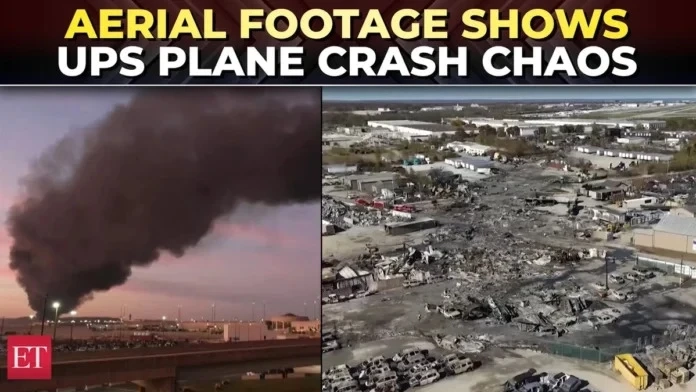
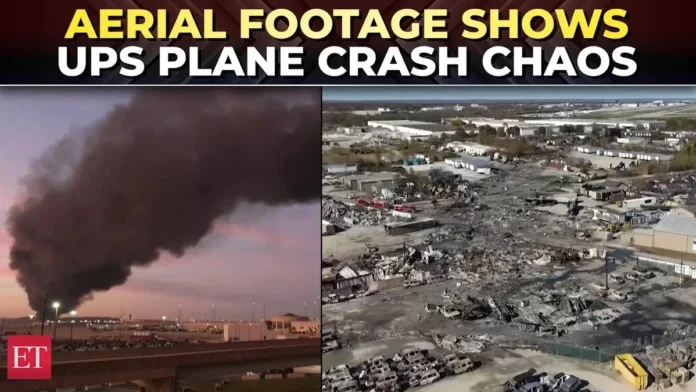
A cargo plane, emblazoned with the familiar brown and gold of UPS, met a tragic end recently. But here’s the thing – it’s not just the crash itself that has investigators scratching their heads. It’s a peculiar detail emerging from the wreckage: a ‘repeating bell’ sound heard during takeoff. Now, what does that tell us? Let’s dive in, shall we?
The Mystery of the Repeating Bell
So, a UPS plane crash . Tragic, undoubtedly. But the presence of a repeating bell sound? It’s like something out of a detective novel. We’re not just talking about background noise here; witnesses and preliminary flight data suggest a distinct, recurring bell-like sound during the crucial moments of takeoff. The big question is: Where did it come from? Was it a malfunction? A warning system gone haywire? Or something else entirely? This isn’t your everyday aviation incident; this has layers. The investigators are really focusing on the takeoff sound anomalies that pilots reported.
Possible Explanations | A Deep Dive
Let’s be honest, pinpointing the source of such a sound in the chaotic environment of a takeoff is no easy feat. But here’s what could be going on. First, think about the plane’s systems. Modern aircraft are symphony orchestras of sensors and alarms. A malfunctioning sensor, perhaps related to engine performance or landing gear, could trigger an erroneous warning. Then again, it could be something mechanical – a loose component vibrating at a specific frequency, creating that bell-like tone. Or even – and this is where things get really interesting – something related to the cargo itself. The investigators are looking at all angles, but the ‘repeating’ nature suggests a cyclical issue rather than a one-off event. As per the initial reports, the investigators are consulting with aviation safety experts to decode the mystery. One thing I have seen is that the failure of the aircraft warning systems is hard to trace and resolve.
Why This Matters | Aviation Safety and Our Trust
Okay, a weird sound on a plane – why should you, sitting in your favorite chai shop in Mumbai, care? Because aviation safety is a global concern. Each investigation into incidents like this adds to our collective knowledge, refining safety protocols and improving aircraft design. When a cargo plane malfunctions , it is essential to understand the reason. This isn’t just about this particular UPS flight; it’s about ensuring the safety of air travel for everyone. Moreover, incidents like this can erode public trust in the aviation industry. Knowing that investigators are meticulously examining every detail, including seemingly minor ones like a ‘repeating bell,’ reinforces the idea that safety is paramount. The FAA’s role in these investigations is critical. The safety of cargo and passenger flights has always been the FAA’s top priority. You can check their website for more details about the current investigation. Authorities are not confirming any information.
The Human Element | Pilots, Crew, and the Ripple Effect
Let’s not forget the human cost. Behind every flight, there are pilots, crew members, and ground staff, each with families and loved ones. A plane crash investigation isn’t just about mechanics and data; it’s about understanding the experiences of those involved and learning from them. What were the pilots’ actions in those crucial moments? What were their communications like? These insights are invaluable in preventing future tragedies. The ripple effect of such incidents extends far beyond the immediate victims, impacting entire communities. The investigators examine pilot training records and the maintenance history of the aircraft.